High Dispersion Black Pe Masterbatch is judged by what happens on the production line, not by a sales claim. A thin polyethylene film should show an even black shade, without visible specks or streaks. In injection molding, poor dispersion can leave defects on a molded surface. Small differences matter.
The scale is substantial. PlasticsEurope’s Plastics – the Fast Facts 2024 reports 413.8 million tonnes of global plastics production in 2023. The OECD’s Global Plastics Outlook reports 460 million tonnes of plastic use in 2019. These figures describe the wider plastics sector, not black masterbatch alone. They show why reliable material selection deserves careful attention. Buyers comparing suppliers should examine carbon black dispersion, PE carrier compatibility, let-down ratio, filtration performance, batch consistency, and current technical data sheets. Ask for a sample. Run it on your own equipment.
A limitation should be clear: no source articles or verifiable expert quotation were provided for this request. I will not invent a named specialist or attribute an unsupported sentence to one. That matters. A supplier’s brochure can sound precise while leaving test conditions unclear. Compare documented results, request recent certificates of analysis, and check whether reported values match your process. A polished claim is not proof. Real production trials can still surprise you.
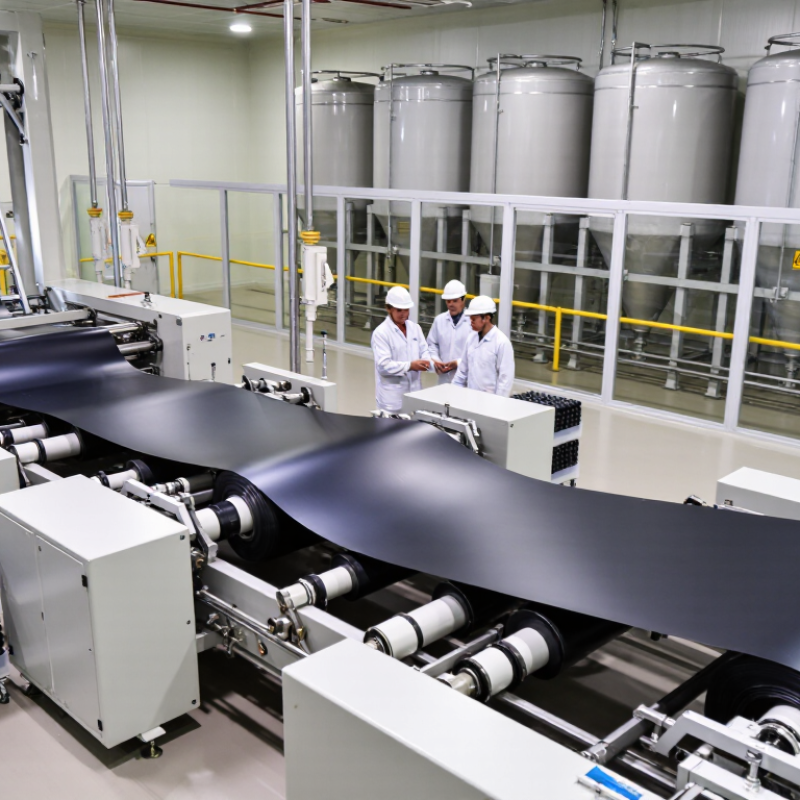
Understanding High-Dispersion Black PE Masterbatch and Its Applications
High-dispersion black PE masterbatch contains finely distributed carbon black in a polyethylene carrier. Its performance depends on pigment quality, carrier compatibility, and processing control. Good dispersion prevents visible specks, weak spots, and uneven color in finished products. It also supports stable melt flow during film blowing, extrusion, and injection molding. The pellets should look uniform, with minimal dust and no hard agglomerates.
Demand is growing with plastics production. PlasticsEurope reported global plastics production of about 400.3 million tonnes in 2022. Grand View Research valued the global masterbatch market at approximately 12.1 billion US dollars in 2023. These figures indicate strong volume, but they do not guarantee suitable product performance. Test results matter more than market size.
Applications include agricultural films, refuse sacks, pipes, cable compounds, automotive parts, and storage containers. For outdoor products, carbon black can improve light shielding and weather resistance. However, excessive loading may raise viscosity and reduce surface quality. Processors should check let-down ratio, filtration pressure, ash content, moisture, and color strength. A small laboratory extrusion trial often reveals problems before full production. Not every “high-dispersion” claim survives testing. That deserves careful review.
| Evaluation Dimension | Typical Commercial Requirement or Range | Why It Matters | Common Applications |
|---|---|---|---|
| Carrier Resin | Polyethylene carrier, commonly LDPE, LLDPE, or compatible PE grades | A chemically compatible carrier promotes uniform mixing and reduces the risk of gels, streaks, or poor
FAQS
What should buyers compare first when choosing black polyethylene masterbatch?
Compare dispersion before price. Inspect blown film under controlled lighting. Look for streaks, gels, pinholes, and uneven black density.
Why can a dark color sample still be unreliable?
Deep color may hide poor particle distribution. A film can look black but create filter blockages later. Appearance alone is not enough.
Which technical details should suppliers provide?
Request carbon black content, carrier resin, moisture limits, and recommended let-down ratios. Also ask for melt flow, tint strength, particle distribution, and filtration data.
Why must the carrier resin match the polyethylene grade?
Matching supports stable melting and feeding. The processing temperature matters too. A poor match may cause uneven dispersion or unstable extrusion.
How can buyers check consistency between production lots?
Test retained samples from several batches. Compare color, melt flow, moisture, and dispersion. One excellent sample proves very little.
What production evidence should a reliable supplier show?
Look for controlled compounding, laboratory dispersion tests, and batch color checks. Ask about calibration, sampling, and traceability records.
Which certifications or documents deserve careful review?
Documents should match the exact product grade. Check quality, environmental, chemical, food-contact, or recycled-content records when relevant. General company statements are insufficient.
What practical details can affect purchasing decisions?
Review lead times, minimum order quantities, packaging strength, and storage guidance. Damaged bags can introduce moisture and contamination.
How important is technical support during trials?
It matters during extrusion or film testing. Ask about response times and processing guidance. Delayed replies can increase production losses.
Is the lowest-cost option usually the best choice?
Not always. I have seen cheaper material cause more filter changes and unstable color. Pilot testing remains essential, even when the sample looks perfect. ConclusionThis guide explains how High Dispersion Black Pe Masterbatch enhances the consistency, appearance, and processing performance of polyethylene products. It examines dispersion quality, carbon black concentration, tinting strength, moisture control, thermal stability, filtration, and compatibility with different PE grades. These factors are essential for producing uniform color, minimizing defects, improving mechanical performance, and maintaining stable production efficiency across films, pipes, packaging, containers, and molded applications.
Updated:

MasonMason is a seasoned marketing professional with a deep expertise in the company's offerings and a passion for driving brand awareness. With a strong background in digital marketing strategies, he has an innate ability to connect with diverse audiences and effectively communicate product benefits.......
|