2026 Top High Blackness Black PE Masterbatch Suppliers?

Time:2026-09-14 Author:Aria
0%

Selecting the 2026 top High Blackness Black Pe Masterbatch suppliers requires more than comparing carbon black percentages. Buyers should examine dispersion quality, carrier compatibility, moisture control, pellet consistency, and production traceability. A dark sample can look impressive under showroom lighting. It may perform differently after extrusion.

Dr. George Wypych, a recognized polymer additives author, highlights a practical principle: “Carbon black performance depends on dispersion, not simply loading.” This view remains important for film, pipe, cable, injection molding, and agricultural applications. A reliable supplier should provide technical data, recommended let-down ratios, batch records, and application-specific testing. Independent laboratory results add confidence. Supplier claims alone are not enough.

The strongest candidates usually demonstrate stable production across repeated orders. They also respond clearly when customers report streaks, filter pressure, surface specks, or uneven color. These details reveal real manufacturing experience. Price still matters. It should not become the only filter.

Some rankings may feel incomplete. Public data is often inconsistent, and supplier capabilities can change during 2026. That limitation deserves attention. A company with excellent blackness may offer weaker technical support. Another may provide strong documentation but limited capacity. The right shortlist should therefore balance color strength, dispersion, consistency, compliance, delivery reliability, and after-sales assistance. Buyers should request trial samples and test them on actual equipment before making a long-term decision. Performance must be measured, not assumed.
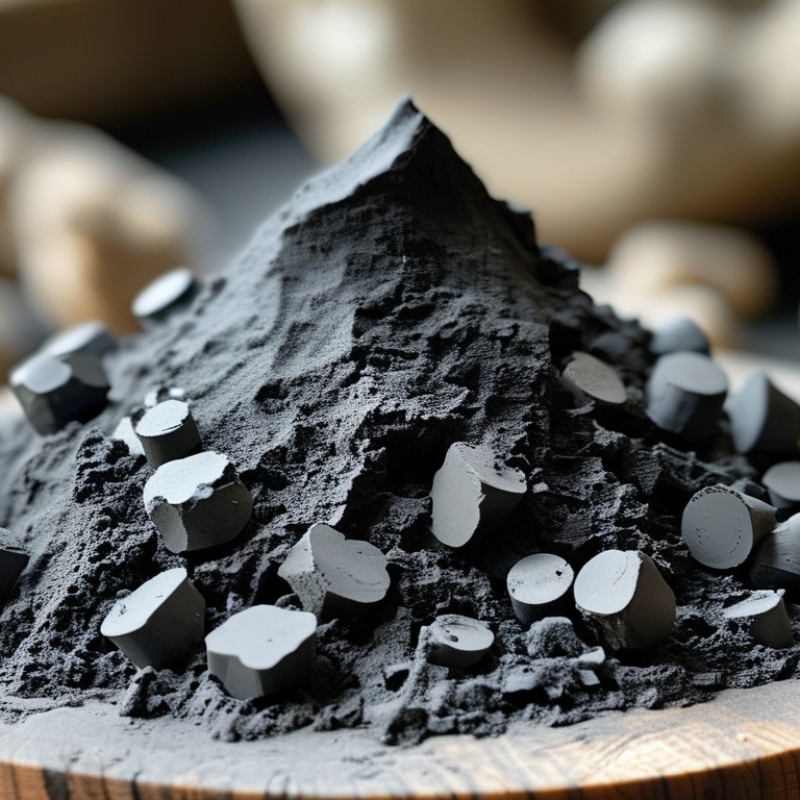
2026 Top High Blackness Black PE Masterbatch Suppliers?

What Is High-Blackness Black PE Masterbatch?

High-blackness black PE masterbatch is a concentrated color additive designed for polyethylene processing. It usually combines carbon black with a polyethylene-based carrier resin and carefully selected dispersing agents. The concentrate is added to natural or recycled PE during film blowing, extrusion, injection molding, or rotational molding.

Its performance depends on more than a dark appearance. Fine carbon black particles can create deeper jetness, stronger tinting power, and improved resistance to ultraviolet exposure. However, poor dispersion may produce specks, streaks, filter blockage, or uneven surfaces. A reliable supplier should provide technical data for carbon black content, moisture, ash, melt flow rate, recommended dosage, and compatibility with the target PE grade.

In practical production, operators often begin with a small trial batch. They check color depth under consistent lighting, then inspect the film or molded part after cooling. A dosage that works for thick packaging may look excessive in thin film. Processing temperature, screw design, and mixing time also change the final result. No formula works everywhere.

One common mistake is choosing the darkest pellet without testing dispersion. Darker is not always better. Excessive loading can raise cost, reduce mechanical performance, or cause feeding difficulties. I have found that a balanced masterbatch, supported by batch records and repeat testing, is usually more dependable than a visually impressive sample. Even then, results should be reviewed when resin sources or equipment change.

2026 Top High-Blackness Black PE Masterbatch Suppliers? — What Is High-Blackness Black PE Masterbatch?

High-blackness black PE masterbatch is a concentrated blend of carbon black and a polyethylene carrier resin. The ranges below represent common technical benchmarks used when evaluating high-blackness grades for film, injection molding, extrusion, and pipe applications. Actual specifications should be confirmed through the supplier’s technical data sheet.

Note: Carbon black content, moisture, ash, melt flow rate, and relative tint strength are key comparison dimensions. MFI values are commonly reported at 190°C/2.16 kg, while tint strength is expressed against an agreed reference standard.

Key Quality Standards for Evaluating Black PE Masterbatch Suppliers

2026 Top High Blackness Black PE Masterbatch Suppliers

Key Quality Standards for Evaluating Black PE Masterbatch Suppliers

High blackness starts with controlled carbon black, not simply a darker sample. Evaluate tint strength, jetness, undertone, and dispersion under consistent lighting. A reliable supplier should provide carbon black loading, carrier resin details, melt flow data, moisture limits, and ash content. These figures help processors predict film appearance and extrusion stability.

Ask for a recent certificate of analysis for every production batch. Check whether key values remain within narrow tolerances. During trials, inspect a molded plaque or blown film for specks, streaks, and uneven gloss. A supplier may claim excellent dispersion, but the screw and processing temperature can expose weaknesses. Small defects matter.

Compatibility deserves equal attention. The masterbatch carrier should match the polyethylene grade and final application. Test it at the intended let-down ratio, not only at a high concentration. Measure pressure changes, filter residue, color strength, and mechanical performance. Technical support should include practical processing guidance and traceable batch records. I have found that polished datasheets sometimes hide gaps. An honest supplier should explain limitations, shelf life, packaging conditions, and variation risks. No sample is perfect. That is worth checking.

Top Supplier Selection Criteria for Black PE Masterbatch in 2026

In 2026, choosing a high-blackness black PE masterbatch supplier requires more than comparing carbon black percentages. A reliable supplier should provide tested tint strength, dispersion, carrier compatibility, and batch consistency. Ask for recent COA and SDS documents. Traceable production records matter.

The masterbatch should match the intended PE process. Film extrusion may require smooth dispersion and controlled melt flow. Injection molding may need stronger thermal stability. Check moisture, ash content, odor, and filtration performance. A practical trial is essential. Add the masterbatch to your actual resin, then inspect a blown film or molded part under consistent lighting.

I have seen impressive samples fail during continuous extrusion. A polished datasheet is not proof. Request samples from different production batches. Compare surface uniformity, blackness, pressure changes, and screw deposits. Suppliers with experienced technical teams can explain formulation limits without exaggeration. They should also support scale-up, complaint handling, and delivery planning.

Do not judge only by the darkest plaque. Excessive carbon black loading may increase cost, affect processing, or reduce mechanical performance. Evaluate the full formula against your application, equipment, and local compliance requirements. Independent laboratory testing can expose differences that a factory sample hides. That extra check feels slow, but it often prevents expensive production adjustments.

Manufacturing, Testing, and Compliance Capabilities to Compare

2026 Top High Blackness Black PE Masterbatch Suppliers?

Supplier comparison should begin with manufacturing control, not pellet appearance. PlasticsEurope reported 413.8 million tonnes of global plastics production in 2023. This scale makes batch consistency essential. Ask whether the supplier uses controlled twin-screw compounding, calibrated feeders, melt filtration, and documented carrier-resin selection. A strong producer should provide lot traceability, moisture records, and production samples from multiple batches.

Testing needs practical evidence. Request carbon black content, ash, moisture, melt mass-flow rate, and dispersion results. ISO 1133 supports melt-flow testing, while ASTM D1603 measures carbon black content. Color data should include L* values and tint strength, not only a visual blackness claim. ASTM D1003 can help assess haze and light transmission when transparency matters. The result should remain stable after dilution in the customer’s PE grade.

Compliance requires more than a certificate folder. Check REACH and RoHS status, restricted-substance declarations, and applicable food-contact documentation. Requirements differ by market and application. OECD’s Global Plastics Outlook reported 353 million tonnes of plastic waste in 2019, increasing pressure for traceability and responsible material choices. Recycled-content claims should include documented input sources and verification. Some suppliers report excellent color but weak odor or migration data. That is a warning. I would also review recent corrective-action records, because even capable plants can miss a batch.

How to Choose the Right Black PE Masterbatch Supplier for Your Needs

Choosing a high-blackness black PE masterbatch supplier requires more than viewing a glossy sample. The right supplier should match your resin grade, processing temperature, film thickness, and dosage target. Ask for laboratory data on jetness, tint strength, dispersion, melt flow rate, ash, moisture, and filter pressure. Request results at your actual let-down ratio. A sample can look excellent while hiding weak dispersion.

Carbon black selection also affects weathering and surface performance. Check testing against ASTM D2244 for color difference and ASTM D1003 for haze or optical clarity. For outdoor products, ask for accelerated weathering results based on ISO 4892 methods. PlasticsEurope reported 413.8 million tonnes of global plastics production in 2023. That scale increases the need for stable, repeatable color control across large production runs. Supplier capacity matters.

Consistency matters most.

Evaluate production records, batch-to-batch color tolerances, technical support, and complaint response time. A reliable supplier should provide a controlled specification, retained samples, and traceable certificates. For recycled PE, request data from several feedstock lots, not only virgin-resin trials. Recycled content can change filtration, odor, and color strength. I would not rely on a supplier promising “deep black” without measured L* values and dispersion evidence. One overlooked issue is scale-up. A masterbatch that performs well in a small extruder may create pressure spikes in continuous production. Conduct a plant trial before approval, and document the results honestly.

2026 Top High Blackness Black PE Masterbatch Suppliers? - How to Choose the Right Black PE Masterbatch Supplier for Your Needs
Supplier qualification matrix for evaluating high-blackness black polyethylene masterbatch. The values below are practical industry benchmarks and should be confirmed through the supplier's current technical data sheet, certificate of analysis, and application trial.
Evaluation Dimension Recommended Benchmark for High-Blackness Black PE Masterbatch Why It Matters Suggested Verification Method Selection Priority
Carbon Black Loading Typically 30–50% by weight, depending on the application and carrier resin Higher loading can provide strong jetness and tinting efficiency while reducing the let-down ratio, provided dispersion remains stable. Review the technical data sheet and verify carbon black content using a suitable laboratory method such as ASTM D1603 for olefin plastics. High
Blackness and Tint Strength Consistent deep black appearance with high relative tint strength and low batch-to-batch variation Blackness affects the visual quality of films, pipes, injection-molded parts, packaging, and rotational-molded products. Request molded plaques or film samples and compare tint strength using ASTM D3265 or an equivalent instrumental method. High
Carbon Black Dispersion Uniform dispersion with no visible agglomerates, streaks, specks, or die lines at the intended let-down ratio Poor dispersion can cause surface defects, weak spots, filter blockage, inconsistent color, and unstable processing. Conduct a microscopy-based dispersion assessment, such as ASTM D5596, using production-representative samples. High
Recommended Let-Down Ratio Commonly 1–5% for black coloration; exact dosage depends on carbon black type, thickness, and opacity requirements A lower effective dosage can improve cost efficiency, throughput, and formulation flexibility. Run a controlled dosage ladder, for example 1%, 2%, 3%, and 5%, and compare color strength, opacity, and surface appearance. High
Carrier Resin Compatibility PE-based carrier, preferably matched to the end-use resin such as LDPE, LLDPE, HDPE, or MDPE Carrier compatibility supports uniform mixing, stable melt behavior, good surface quality, and reduced risk of phase separation. Confirm carrier-resin details and test the masterbatch in the actual production resin and process conditions. High
Melt Flow Rate Supplier should provide a controlled MFR range suitable for the target process; the value should be compatible with the base PE grade An unsuitable melt flow rate may cause feeding problems, color streaks, pressure fluctuations, or poor dispersion. Compare the certificate of analysis with ISO 1133 or ASTM D1238 test results and perform a production-line trial. High
Moisture Content Preferably low and consistently controlled; many applications use an internal target of approximately 0.10% or lower Excess moisture can contribute to bubbles, surface defects, hydrolysis-sensitive additive issues, and inconsistent extrusion. Review batch results and test pellets using a validated moisture analyzer or an equivalent gravimetric method such as ASTM D6980. Medium
Ash and Inorganic Residue Low and consistent residue level appropriate for the product specification; supplier should disclose the typical range High inorganic residue may affect filtration, surface appearance, mechanical properties, and long-term product consistency. Request ash testing data and verify using an applicable plastics ash method such as ASTM D2584. Medium
UV and Weathering Performance Use a carbon black grade and formulation suitable for the required outdoor exposure and service life For agricultural film, pipes, outdoor furniture, geomembranes, and cables, the black masterbatch must support long-term resistance to ultraviolet degradation. Check carbon black type, particle-size information, UV stabilizer package, and accelerated-weathering results relevant to the application. High
Food-Contact or Regulatory Status Documentation must match the destination market and the intended application; compliance should never be assumed from color performance alone Food packaging, toys, drinking-water pipes, medical products, and electrical applications may require different regulatory documentation. Request current declarations, restricted-substance statements, safety data sheets, and applicable regional compliance documents. High
Batch-to-Batch Consistency Stable appearance, MFR, moisture, carbon black content, pellet quality, and dispersion across production batches Consistency reduces reformulation, production interruptions, customer complaints, and incoming-inspection costs. Review at least three recent certificates of analysis and conduct repeat trials from separate production batches. High
Pellet Quality and Feeding Behavior Uniform pellet size with minimal fines, dust, bridging, or feeding instability Good pellet quality improves gravimetric feeding accuracy, workplace cleanliness, and process reliability. Inspect packaging samples and test the pellets through the actual dosing and conveying equipment. Medium
Technical Support and Trial Service Supplier can provide formulation guidance, processing recommendations, samples, troubleshooting, and application-specific test data Technical support is especially valuable when the product must work across different PE grades, film thicknesses, or processing temperatures. Evaluate response time, sample quality, documentation completeness, and the supplier's ability to support a structured trial. Medium
Supply Capability and Lead Time Documented production capacity, stable raw-material sourcing, defined lead times, and appropriate safety-stock options A technically good masterbatch is not suitable if supply interruptions affect continuous production. Request standard lead time, minimum order quantity, annual capacity information, packaging options, and business-continuity procedures. High
Total Delivered Cost Evaluate cost per finished product at the required let-down ratio rather than pellet price alone Higher-concentration masterbatch may offer a lower total formulation cost if it reaches the required blackness at a lower dosage. Calculate: masterbatch price × dosage, then add freight, import charges, waste, trial cost, and quality-related costs. High
Recommended qualification approach: Shortlist suppliers that meet the high-priority technical requirements, obtain samples from separate batches, test them at the intended let-down ratio, and approve the supplier only after production-scale validation and documentation review.

FAQS

What should I check before choosing a black PE masterbatch supplier?

Check tint strength, dispersion, carrier compatibility, and batch consistency. Request recent COA and SDS documents. Traceable records matter.

Why is a production trial necessary?

A sample can look perfect and still fail during continuous extrusion. Mix it with your actual PE resin. Inspect film or molded parts under consistent lighting.

Which tests should a supplier provide?

Request carbon black content, ash, moisture, melt flow, and dispersion results. Color data should include lightness values and tint strength. Visual blackness is not enough.

Does the processing method affect masterbatch selection?

Yes. Film extrusion needs smooth dispersion and controlled melt flow. Injection molding may require stronger thermal stability. Equipment changes the formula’s practical limits.

How can I evaluate consistency between production batches?

Request samples from several lots. Compare blackness, surface uniformity, pressure changes, and screw deposits. Small differences can become costly at scale.

Is the darkest black masterbatch always the best choice?

No. Excessive carbon black may raise costs or reduce mechanical performance. Evaluate color, processing behavior, strength, and total formula value together.

What manufacturing capabilities should I compare?

Look for controlled twin-screw compounding, calibrated feeders, melt filtration, and documented carrier selection. Ask for moisture records and lot traceability.

Which compliance documents are important?

Check restricted-substance declarations and relevant food-contact documents. Requirements vary by market and application. Do not trust a certificate folder alone.

How can independent testing improve supplier selection?

An independent laboratory can reveal hidden differences in color, moisture, odor, or migration. It feels slower. It may prevent expensive production adjustments.

What support should a reliable supplier provide after sampling?

The technical team should support scale-up, complaint handling, and delivery planning. They should explain formulation limits honestly. Overconfident promises deserve another review.

Conclusion

High Blackness Black Pe Masterbatch is a concentrated additive system designed to deliver deep, uniform black color in polyethylene products while supporting efficient processing and reliable performance. In 2026, buyers should evaluate suppliers through measurable standards such as carbon black dispersion, tinting strength, color consistency, moisture control, filtration quality, carrier compatibility, and dosage efficiency. A high-quality masterbatch should blend evenly, minimize surface defects, and maintain stable results across different production conditions.

When comparing suppliers, manufacturers should review production capacity, formulation expertise, laboratory testing, batch-to-batch traceability, and technical support. Important compliance considerations include accurate product documentation, responsible raw-material management, and adherence to applicable safety and environmental requirements. The right supplier should be selected according to the intended application, processing equipment, required color depth, mechanical performance, delivery expectations, and total cost. A structured evaluation using samples, testing data, and clear communication can help ensure consistent quality and long-term supply reliability.


Aria

Aria

Aria is a dedicated marketing professional with a deep passion for innovative strategies and a keen understanding of our company's product offerings. With a wealth of experience in the industry, Aria excels at crafting engaging content that highlights the unique features and benefits of our......