Choosing the right Rose Red Pe Masterbatch is more than selecting an attractive color chip. The final shade depends on resin grade, processing temperature, pigment strength, and dispersion quality. A bright rose red may look stable in a sample plaque, then shift during film extrusion or injection molding. That difference matters.
Dr. Lina Hartmann, a polymer color specialist with practical compounding experience, says, “A reliable red begins with resin compatibility, not the color card.” Her point is simple. The carrier must match the polyethylene system. Pigments should disperse evenly without creating streaks, specks, or weak spots. Buyers should review the technical data sheet, safety data sheet, recommended let-down ratio, and batch consistency records. A certificate of analysis can also reveal whether the material meets the supplier’s stated specifications.
This guide, “7 Tips for Choosing Rose Red PE Masterbatch,” examines the decisions that influence real production results. It considers pigment concentration, heat resistance, light stability, odor, migration requirements, and processing behavior. A small laboratory trial is useful. However, it cannot replace a production-scale test using the actual machine, resin, and cooling conditions. That is where unexpected undertones often appear. Sometimes, the chosen red looks too purple. Sometimes, it loses brightness after recycling. These problems are easy to underestimate. Careful testing remains essential, even when the supplier has an excellent reputation. No masterbatch is perfect for every polyethylene application.
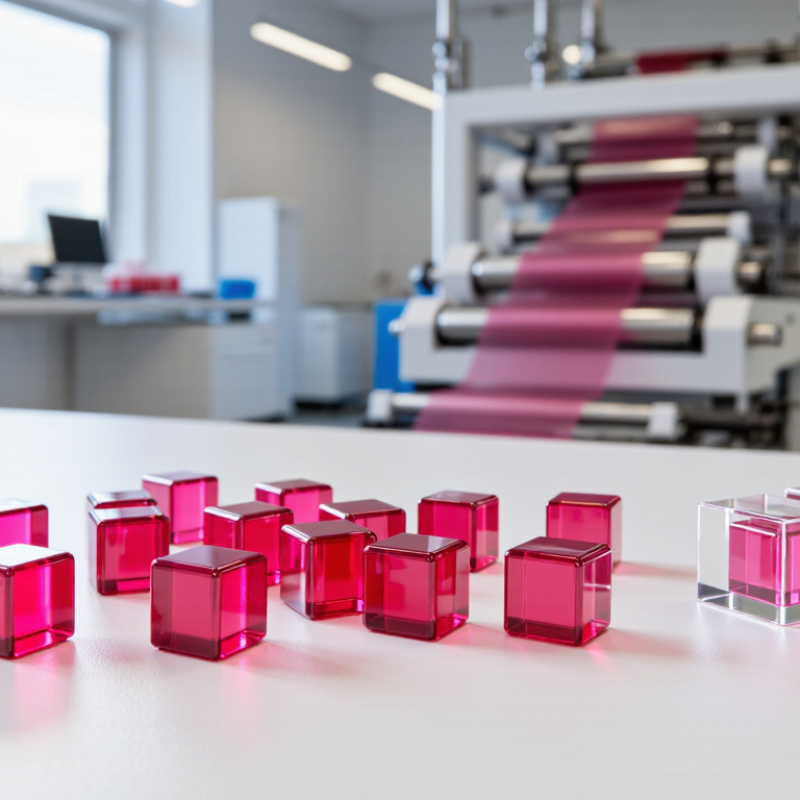
What Is Rose Red PE Masterbatch and Where Is It Used?
Rose red PE masterbatch is a concentrated color mixture carried in polyethylene resin. It is added to natural or colored PE during processing. The carrier helps the pigment disperse through melted plastic. A well-made masterbatch can create an even rose red shade with less dust and easier handling.
It is commonly used in packaging films, shopping bags, bottle caps, household containers, agricultural films, and molded PE parts. The final color changes with resin type, wall thickness, processing temperature, and dosage. In a thin film, the shade may look brighter. In a thick container, it can appear darker or slightly purple. Food-contact packaging requires suitable pigment documentation and compliance checks for the target market.
Tip: Ask for a technical data sheet, recommended dosage, and sample plaque before purchasing. Check dispersion under real production conditions, not only in a laboratory sample.
Tip: Test heat, light, and migration performance. A beautiful shade may fade after outdoor exposure. It may also bleed into another plastic layer. That detail is easy to miss.
Tip: Match the masterbatch carrier with your PE grade. Poor compatibility can cause specks, surface streaks, or unstable color. Measure color with a spectrophotometer when possible. Visual inspection still matters, because customers see the product, not the measurement. Small trial runs are wiser than immediate full-scale production. Mistakes become expensive quickly.
Define the Desired Shade, Opacity, and Color Strength
Choosing rose red PE masterbatch starts with defining the target shade. Rose red can lean blue, pink, or warm crimson under different lighting. Request a physical color standard, not only a digital image. A screen often hides undertones. Record the reference under daylight, store lighting, and production-floor LEDs. This step prevents costly color corrections later.
Opacity depends on film thickness, resin clarity, and pigment loading. A thin film may need stronger coverage than a thick molded part. Test the masterbatch at the intended let-down ratio and processing temperature. Use plaques or film strips matching the final product thickness. Compare them against white and black backgrounds. A spectrophotometer provides useful data, but visual approval still matters. Human eyes notice character.
Judge color strength through dilution steps, not one trial. Prepare samples at 1%, 2%, and 3% addition. Check shade, dispersion, surface streaks, and batch consistency. Good dispersion should leave no visible specks or cloudy trails. Confirm that the carrier matches the PE grade and mixing equipment. I once approved a strong red in the laboratory, but it shifted during scale-up. Uneven feeding caused the problem, not weak pigment. That result changed my testing routine. Repeat trials under real production conditions. The first match is rarely perfect.
Check Compatibility with PE Resin and Processing Conditions
7 Tips for Choosing Rose Red PE Masterbatch
Check compatibility with the PE resin before comparing color strength. Confirm whether the resin is LDPE, LLDPE, HDPE, or a recycled blend. Their melt flow rates can differ sharply. A masterbatch carrier should match the resin family closely. Poor matching may cause streaks, gels, weak weld lines, or unstable feeding.
Review the recommended processing window. Film extrusion, injection molding, and blow molding create different shear and cooling conditions. Ask for dispersion data at your actual let-down ratio. Then run a small trial using your production screw, temperature profile, and screen pack. Watch for pressure changes, die lines, plate-out, and color drift after several hours. Short trials can mislead. I have seen a clean sample become unstable during continuous production.
Moisture control also matters, especially with recycled PE. Store the masterbatch in sealed packaging and check drying guidance before use. OECD’s Global Plastics Outlook reports 460 million tonnes of plastics were produced in 2019, while only 9% of plastic waste was recycled. Variable recycled content can change flow and shade. PlasticsEurope’s Plastics—The Fast Facts 2023 identifies packaging as about 39.5% of European plastics demand, where color consistency remains highly visible. Request batch-to-batch color data, migration information for the intended application, and a technical safety sheet. Do not rely on a color chip alone. Test the finished product under daylight and production lighting.
Assess Pigment Quality, Dispersion, Safety, and Durability
7 Tips for Choosing Rose Red PE Masterbatch
Rose red starts with pigment quality, not the color card. Request pigment identity, loading level, ash content, and batch-to-batch color data. A useful plant-side check compares ΔE, tinting strength, and melt flow against an approved sample. ASTM D2244 supports color-difference measurement, while ISO 18553 helps evaluate pigment dispersion in plastics. Inspect a thin molded section under magnification. Specks, streaks, or cloudy zones usually indicate poor wetting or an unsuitable polyethylene carrier.
Dispersion affects appearance and processing. Run a small trial at the intended let-down ratio, temperature, and screw speed. Check filter pressure, surface gloss, and color uniformity after molding. Do not trust one attractive plaque. Recheck after storage, because moisture, heat, or settling can change performance. Safety documents should identify additives, impurities, and recommended handling controls. For regulated uses, request migration and restricted-substance test results for the final formulation, not only the concentrate.
Durability needs evidence under realistic exposure. Test heat aging, outdoor weathering, and chemical contact when relevant. ISO 4892-3 can guide fluorescent UV exposure, but laboratory cycles never perfectly copy sunlight. That limitation matters. The OECD Global Plastics Outlook reported that only 9% of plastic waste was recycled globally in 2019. Recycled PE can vary in odor, contamination, melt flow, and color demand. Therefore, test the masterbatch with the actual recycled or virgin resin. UNEP’s 2023 assessment found that plastic pollution could fall by 80% by 2040 through systemic changes, making compatible, durable, and safer color solutions increasingly important.
Compare Supplier Reliability, Sample Tests, and Overall Cost
Choosing rose red PE masterbatch starts with supplier reliability, not a colorful brochure. Plastics Europe reported 413.8 million tonnes of global plastics production in 2023, increasing pressure on consistent raw material quality. A supplier should provide batch traceability, current certificates, production capacity, and documented quality controls. Ask for recent COAs, not only standard templates. Check melt flow index, pigment concentration, moisture, carrier resin, and storage conditions. One missed delivery can cost more than a slightly higher masterbatch price.
Sample testing should copy your real process. Use the same PE grade, let-down ratio, barrel temperature, screw speed, and film or molding thickness. Measure color difference, dispersion, opacity, heat stability, and surface defects. A small lab sample may look excellent, then streak during production. That happens. Repeat testing with at least two batches when possible. The Color Index and PlasticsEurope technical guidance both support controlled color evaluation and traceable material records, although they do not replace factory trials. Keep retained samples for comparison.
Overall cost includes waste, cleaning time, rejected parts, energy, freight, and technical support. A cheaper product can become expensive after repeated adjustments. Compare cost per colored kilogram, not only cost per bag. Request a written delivery range and replacement procedure. I still find buyers underestimating downtime. That mistake is costly. Evaluate trial results, supplier response speed, and long-term consistency together before approving the rose red masterbatch.
This neutral scorecard assigns practical evaluation weights to the main purchasing factors for rose red PE masterbatch. Supplier reliability and sample testing receive the highest priority because stable supply, dispersion, color strength, moisture, and carrier compatibility directly affect production consistency. Overall cost should include material price, freight, testing, waste, and potential production losses rather than purchase price alone.
FAQS
Use a physical color standard, not only a screen image. Rose red may appear pink, blue, or warm crimson. Check the sample under daylight, store lighting, and factory LEDs. Screens can hide undertones.
Match the test sample to the final product thickness. Test film strips or plaques at the intended processing temperature. Compare them over white and black backgrounds. Thin film often needs stronger coverage.
Prepare samples with 1%, 2%, and 3% masterbatch addition. Check shade, coverage, dispersion, streaks, and consistency. One trial is not enough. The best-looking sample may fail during production.
Look for specks, cloudy trails, streaks, and uneven gloss. Inspect a thin molded section under magnification. Also monitor filter pressure during processing. Visible defects usually signal poor wetting or an unsuitable carrier.
Yes. Confirm compatibility with the actual polyethylene and mixing equipment. Test the material using real screw speed, temperature, and feeding conditions. Uneven feeding can cause color shifts, even with strong pigment.
Consider heat aging, outdoor weathering, and chemical-contact testing. Use exposure conditions similar to the final application. Laboratory ultraviolet cycles cannot perfectly copy sunlight. That limitation needs careful review.
Request batch traceability, recent certificates, production capacity, and quality-control records. Check pigment loading, melt flow, moisture, carrier resin, and storage conditions. Ask for data from recent batches. Templates alone are weak evidence.
Compare cost per colored kilogram, not only cost per bag. Include rejected parts, cleaning time, freight, energy, and technical support. A cheaper product may create expensive adjustments. Downtime is easy to underestimate.
Test at least two batches when possible. Keep retained samples for future comparison. Repeat trials under actual production conditions. My laboratory match once shifted during scale-up. That result changed my testing routine.
Conclusion
Choosing the right Rose Red Pe Masterbatch starts with understanding its purpose and application. This color concentrate is commonly used to create consistent rose-red shades in polyethylene products such as packaging films, containers, bags, pipes, and molded items. Before making a selection, define the required shade, opacity, and color strength according to the product’s design and end-use requirements. A precise color target helps reduce adjustment time and material waste during production.
Next, confirm that the masterbatch is compatible with the selected PE resin and processing method, including extrusion, blow molding, or injection molding. Evaluate pigment quality, dispersion, heat stability, light resistance, migration performance, and safety characteristics to support reliable results and product durability. It is also important to assess supplier consistency, technical support, documentation, and delivery reliability. Requesting samples and conducting production trials can reveal processing behavior and color performance. Finally, compare the total cost, including dosage, efficiency, waste, and long-term stability, rather than focusing only on the purchase price.