Yellow Pe Masterbatch may look like a simple colorant, but buyers depend on it to deliver repeatable shade, dispersion, and processing performance. In film, pipe, packaging, and molded parts, small color shifts can show across an entire production run. A sample chip is useful. It is not enough.
The scale of plastics manufacturing makes supplier selection consequential. Plastics Europe’s Plastics – the Fast Facts 2023 reports that global plastics production reached 400.3 million tonnes in 2022. That figure describes plastics overall, not polyethylene masterbatch specifically. Still, it shows why reliable color control and supply planning matter across large production chains. For buyers comparing international suppliers, useful checks include polyethylene carrier compatibility, pigment dispersion, batch-to-batch consistency, technical documentation, and practical support during trials. Ask how suppliers verify color and handle specifications. Details matter.
This guide reviews seven Yellow PE Masterbatch suppliers for global buyers, with attention to product range, manufacturing experience, export capability, and customer support. Public claims can be polished; production results are less forgiving. Request a representative sample, confirm the target shade under agreed viewing conditions, and test it on your own equipment before committing. Even then, results may differ between lines. That deserves a second look. The strongest choice is not automatically the largest supplier or the lowest-priced offer. It is the supplier whose evidence, communication, and material performance fit your actual application.
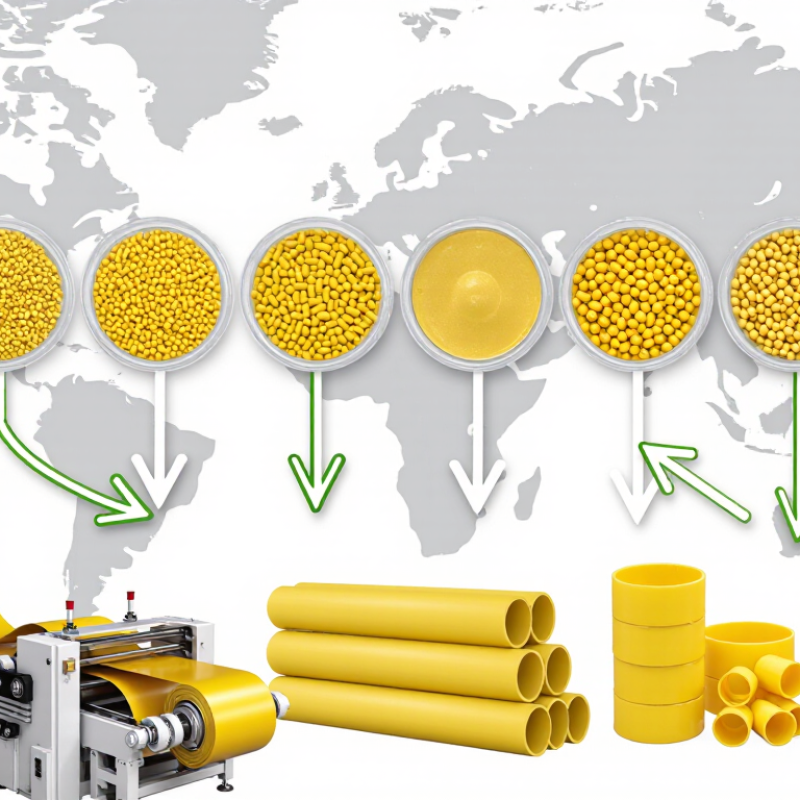
Yellow PE masterbatch is a concentrated color blend designed for polyethylene products. It usually combines yellow pigment with a polyethylene carrier and selected processing additives. During production, manufacturers mix it with natural or colored PE resin. The carrier helps distribute pigment through the melt. The exact formulation affects shade, dispersion, and processing behavior. Small differences matter.
Common uses include packaging films, agricultural film, containers, caps, household goods, and molded components. A warm yellow can make a package stand out, while a stronger shade may help distinguish product types. The suitable color depends on the application, base resin, and manufacturing process. A shade that looks even on a small sample may appear different across a wide film roll. Bright samples can mislead.
Before choosing a grade, buyers should check its recommended dosage, compatibility, and processing temperature range. Trial it on the actual production line when possible. Look for streaks, uneven color, or changes in surface appearance. Compare samples under consistent lighting, too. Outdoor products may need additional attention to color retention. One small trial cannot reveal every issue, and that is worth remembering. Temperature, mixing, and resin variation can all affect the final result.
| Supplier Profile | Typical Offering | Common Yellow PE Masterbatch Uses | Best Fit For | What Buyers Should Verify |
|---|---|---|---|---|
| 1. Global colorant and masterbatch manufacturer | Broad thermoplastic colorant portfolios, technical documentation, and support for customers operating across multiple markets. | Packaging films, molded household products, consumer goods, and other PE products requiring consistent coloration. | Buyers managing recurring orders across multiple production sites or countries. | Confirm the grade is suitable for the specific PE resin and process, and request batch-to-batch color data and applicable regulatory documents. |
| 2. Regional masterbatch producer | Locally supplied color concentrates, with product availability and service arranged around a regional customer base. | General-purpose PE film, bags, containers, and injection-molded parts. | Buyers prioritizing regional logistics, local communication, and smaller or more frequent deliveries. | Check production lead times, export experience where relevant, quality-control procedures, and the availability of a representative sample. |
| 3. Custom color-matching specialist | Color development against a physical sample, color standard, or defined visual target. | Branded packaging, product components, and applications where a specified shade of yellow is important. | Buyers needing a tailored shade rather than a standard yellow grade. | Agree on the color-measurement method, test plaque or film conditions, permitted color variation, and approval process before production. |
| 4. Flexible-packaging-focused producer | Color concentrates selected for film-processing requirements; suitable grades depend on the film structure and production conditions. | PE bags, liners, packaging film, and colored film layers. | Film converters seeking a yellow concentrate compatible with their PE film process. | Test dispersion, filter pressure behavior where applicable, film appearance, and compatibility with the intended resin and layer structure. |
| 5. Injection-molding-focused producer | Color concentrates intended for incorporation into PE molding compounds, with grade selection based on the molding application. | PE caps, closures, bins, containers, toys, and utility products. | Molders who need reliable color distribution in finished parts. | Evaluate color uniformity, surface appearance, processing behavior, and performance in the actual PE grade and molding conditions. |
| 6. Agricultural-film specialist | Colorant solutions developed for agricultural film applications; any durability or functional claims should be confirmed for the specific grade. | Agricultural films and related PE products where yellow coloration is specified. | Agricultural product manufacturers with defined outdoor-use requirements. | Request application-specific evidence for weathering, light exposure, and any claimed film-performance properties; do not infer these from color alone. |
| 7. Distributor or technical compounder | Access to selected masterbatch grades, with possible services such as local stock, order consolidation, or technical coordination. | Small-to-medium production runs and general PE coloration where the selected grade meets the application requirements. | Buyers who value local availability or need help coordinating samples and documentation. | Identify the actual manufacturer of the grade, confirm traceability and current technical data, and clarify who handles quality claims. |
| What yellow PE masterbatch is: A concentrated mixture of colorant and carrier resin designed to be blended into polyethylene (PE) during processing. Yellow shades and performance vary by formulation. Typical end uses include packaging film, bags, molded containers, consumer products, and agricultural film. The profiles above are generic supplier categories, not named companies or a verified ranking. Select a grade only after checking its technical data sheet, safety information, regulatory suitability, and performance in the intended PE resin and process. | ||||
Request a technical data sheet, certificate of analysis, and batch samples. Small checks help.
Use a physical color reference or agreed color values. Compare samples under identical lighting, since showroom lights can shift the shade.
A lab sample may behave differently in your resin and equipment. Record the dosage, temperature settings, and finished-product color during the trial.
Confirm that the polyethylene carrier matches your resin and processing conditions. Ask for the recommended letdown ratio and test compatibility before ordering more.
Ask about monthly capacity, lead times, minimum order quantity, packaging, and delivery estimates. Get batch details and schedule changes confirmed in writing.
Ask how the shade performs with changing feedstock. Request application-specific testing; results can vary, and one successful trial is not enough.
Agree on a practical shade tolerance and ask how variation is measured. Keep a sealed sample from each approved batch for comparison. Not always easy.
Compare it with your retained sample under consistent lighting. Record the batch number and test conditions, then ask how complaints and corrective actions are assessed.
Yellow Pe Masterbatch is a concentrated color additive used to give polyethylene products a consistent yellow appearance. It can be applied in packaging, films, pipes, household goods, and other plastic products, with the required formulation depending on the application and processing conditions. Choosing a supplier involves more than comparing color samples: buyers should assess color consistency, dispersion, compatibility, technical support, production capacity, and experience handling international orders.
This overview examines seven supplier profiles and compares their product options and services without favoring any one provider. It also outlines practical checks to complete before ordering, including confirming specifications, requesting representative samples, discussing quality-control procedures, reviewing packaging and delivery arrangements, and clarifying communication and after-sales support. A careful evaluation helps global buyers select a suitable material and establish clearer expectations for quality, lead times, and ongoing supply.