What Is High Gloss Black PE Masterbatch and Its Uses?

Time:2026-09-14 Author:Aria
0%

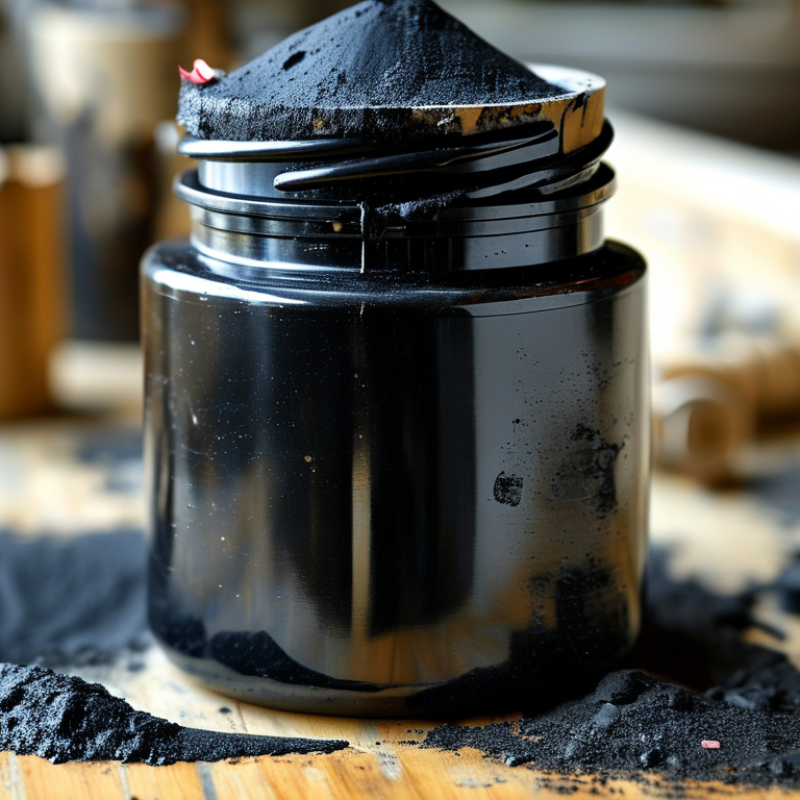
High Gloss Black Pe Masterbatch is a concentrated additive used to create deep, reflective black surfaces in plastic products. It usually combines carbon black, a compatible polymer carrier, and carefully selected processing aids. The result can resemble polished piano lacquer on film, packaging, caps, automotive trim, and household components. However, gloss depends on more than pigment strength. Surface smoothness, resin compatibility, cooling conditions, and carbon black dispersion all influence the final appearance.

Industry data shows why this material remains important. PlasticsEurope’s Plastics–the Fast Facts 2024 reports that global plastics production reached approximately 413.8 million tonnes in 2023. Such volume supports continued demand for efficient coloration and functional additives. Smithers’ technical studies on masterbatch production also emphasize dispersion quality, dosing accuracy, and consistency as major performance factors. A poorly dispersed black concentrate may create specks, streaks, or uneven reflections. It can look acceptable in one batch and fail visibly in another.

This guide examines what High Gloss Black Pe Masterbatch contains, how manufacturers select its carrier system, and where it performs best. It also considers injection molding, extrusion, film production, and recycled polymer applications. Grand View Research identifies packaging and consumer goods as significant areas for black masterbatch demand, although market estimates vary by region and product definition. That uncertainty deserves attention. High gloss is not automatically superior; fingerprints, scratches, and flow marks may become more visible. Reliable results require laboratory trials, controlled processing, and testing such as 60-degree gloss measurement under ASTM D523.
What Is High Gloss Black PE Masterbatch and Its Uses?

High-Gloss Black PE Masterbatch: Carbon Black and 20–40% Loading

High-gloss black PE masterbatch combines polyethylene carrier resin with concentrated carbon black. Commercial grades commonly use 20–40% carbon black loading. At 30% loading, one kilogram contains about 300 grams of pigment. This concentration supports deep black shades and practical dosing. However, loading alone does not guarantee gloss. Particle dispersion, carrier compatibility, and die temperature strongly influence the final surface.

PlasticsEurope reported 400.3 million tonnes of global plastics production in 2022. Its Plastics—The Facts 2023 report also identifies packaging as one of the largest application sectors. Black PE masterbatch therefore appears in films, bags, caps, pipes, sheets, and molded housings. Carbon black improves opacity and can help shield polyethylene from ultraviolet exposure. Performance still depends on pigment structure and final dosage. A glossy film may show streaks when dispersion is poor. That detail is easy to miss.

Processors should check melt flow, moisture, filter pressure, and gloss at a defined viewing angle. ASTM D523 provides a recognized method for measuring specular gloss. ISO 2813 offers another common reference. A 20–40% concentrate is not suitable for every PE grade. Too much pigment may raise viscosity or reduce impact performance. Too little can create gray undertones and uneven coverage. Results may shift between recycled and virgin resin. Laboratory gloss data needs confirmation on the actual production line, using the intended thickness, cooling rate, and processing window.

What Is High-Gloss Black PE Masterbatch and Its Uses?

High-Gloss Black PE Masterbatch: Carbon Black and 20–40% Loading

High-gloss black PE masterbatch is a concentrated blend of carbon black dispersed in a polyethylene carrier. The chart shows the material balance at three carbon black loading levels, calculated on a 100% masterbatch basis.

Gloss Control Through Dispersion, Surface Reflectance, and L*a*b* Values

High Gloss Black PE Masterbatch: Gloss Control Through Dispersion, Surface Reflectance, and L*a*b* Values

High gloss black PE masterbatch combines carbon black, polyethylene carrier resin, and carefully selected additives. Its performance depends on more than pigment loading. According to PlasticsEurope’s Plastics—The Fast Facts 2024, global plastics production reached about 414 million tonnes in 2023. Consistent black surfaces therefore matter across packaging, films, pipes, and molded components.

Dispersion controls the first visual signal. Well-dispersed carbon black creates fewer agglomerates, reducing dull spots, streaks, and microscopic surface defects. I recommend checking molded plaques under controlled lighting, then examining dispersion with microscopy. Processing temperature and screw design also matter. A small mistake becomes visible quickly.

Gloss is commonly measured at 20°, 60°, or 85° under ASTM D523. A 60° reading suits many general comparisons, while 20° better separates highly glossy surfaces. Surface reflectance increases when the polymer skin remains smooth and pigment particles stay evenly distributed. L*a*b* measurements add objective color control: L* describes lightness, while a* and b* indicate red-green and yellow-blue shifts. ASTM D2244 helps calculate color difference, ΔE. However, a low ΔE does not always mean attractive gloss. That is an important limitation. Operators should record gloss, ΔE, haze, and dispersion together. A black sample may match the target numerically yet look grey beside a production part. Small deviations remain possible, especially after cooling, stretching, or recycling.

Production Steps: Compounding, Filtration, and ISO 18553 Dispersion Testing

High gloss black PE masterbatch combines polyethylene carrier resin with concentrated carbon black and selected processing additives. Its purpose is simple: deliver deep black color without dulling the molded surface.

A 2024 Grand View Research analysis estimated the global masterbatch market at about USD 12.7 billion in 2023, with continued growth through 2030. That expansion reflects demand for consistent color, lighter packaging, and efficient resin processing.

Production begins with controlled compounding. Carbon black must wet out evenly inside the molten PE carrier. Twin-screw extruders provide mixing, temperature control, and residence-time management.

Excessive heat can increase gels or degrade gloss. Filtration follows. A fine screen pack removes unmixed particles, metal fragments, and contamination before pelletizing. Screen pressure matters. Rising pressure may signal poor dispersion or filter loading. It is an easy point to overlook.

Quality teams often evaluate dispersion using ISO 18553 principles. The method uses prepared sections and reference grading to assess pigment or additive distribution in polyolefin materials. For PE masterbatch, laboratories should document dilution ratio, specimen thickness, microscopy conditions, and acceptance limits. Consistent black samples should show small, evenly distributed particles rather than visible agglomerates. ASTM and ISO testing practices support traceability, but they do not replace process experience. In practice, a clean result can still produce disappointing gloss when mold temperature, cooling, or surface contamination is poorly controlled. That is where production review becomes necessary.

Processing Guide: 1–4% Let-Down in PE Film, Molding, and Extrusion

What Is High Gloss Black PE Masterbatch and Its Uses?

High gloss black PE masterbatch is a concentrated color additive designed for polyethylene processing. It usually combines carbon black, a PE-compatible carrier, and dispersion aids. The goal is not only deep black color. A smooth, reflective surface matters too. Film, molded parts, and extruded profiles can all benefit from this finish.

A practical starting point is a 1% let-down ratio. Use it in PE film when moderate shade and good transparency control are needed. Increase toward 2–4% for stronger opacity, deeper blackness, or thicker molded parts. In blown or cast film, stable feeding and thorough dispersion help prevent streaks. In injection molding, the correct dosage can improve color consistency across gates and corners. Extrusion applications may need small adjustments to screw speed, melt temperature, and cooling. The resin grade changes everything. There is no universal setting.

Tips: Pre-blend carefully and keep the masterbatch feed steady. Check a small trial before full production. Watch for specks, die lines, and uneven gloss. A polished die may improve appearance, but it cannot correct poor dispersion. We have found that adding more pigment sometimes hides a process problem rather than solving it. Review the technical data sheet, test the final surface under real lighting, and record the chosen let-down ratio for repeat runs.

Applications and Quality Tests: ASTM D523 Gloss and ASTM G154 UV Aging

What Is High Gloss Black PE Masterbatch and Its Uses?

High gloss black PE masterbatch contains concentrated carbon black, polyethylene carrier resin, and carefully controlled additives. It is used in films, injection-molded parts, caps, containers, and outdoor plastic components. The final gloss depends on more than pigment loading. Good dispersion, clean processing, mold temperature, cooling, and surface smoothness all matter. In production trials, technicians should compare plaques made with the same let-down ratio and processing conditions. Otherwise, the result can be misleading.

ASTM D523 measures specular gloss at defined angles, commonly 20°, 60°, and 85°. A 60° reading suits many medium-gloss surfaces, while 20° helps evaluate very glossy black parts.

Before testing, condition samples and calibrate the gloss meter with its certified reference standard. Take several readings across the surface, not just one point. A single reading can mislead.

ASTM G154 evaluates accelerated UV aging using fluorescent ultraviolet lamps, controlled temperature, and moisture cycles. Inspect exposed samples for fading, chalking, cracking, brittleness, or gloss loss. These results help compare formulations, but laboratory aging cannot perfectly reproduce every outdoor climate.

Tips: Keep plaques flat and free from fingerprints. Record resin grade, pigment concentration, melt temperature, and exposure time. Check pigment dispersion under magnification when gloss drops unexpectedly. A darker surface may still show uneven sheen. Test again.

FAQS

What is high-gloss black PE masterbatch?

It is a concentrated additive for polyethylene processing. It usually contains carbon black, PE carrier resin, and dispersion aids. The target is deep black color with a smooth, reflective surface.

Where can it be used?

It suits PE films, molded parts, pipes, and extruded profiles. Film applications may need moderate dosage. Thicker molded parts often require stronger opacity.

What let-down ratio should be used?

A practical starting point is 1%. Increase toward 2–4% for deeper blackness or higher opacity. There is no universal setting. Resin grade changes everything.

How does dispersion affect gloss?

Good dispersion reduces pigment agglomerates and surface defects. Poor dispersion can create dull spots, streaks, and specks. A small processing mistake becomes visible quickly.

How should dispersion be checked?

Inspect molded plaques under controlled lighting. Use microscopy when possible. Watch for streaks, specks, and uneven gloss. A polished die cannot repair poor dispersion.

Which processing factors can change the final appearance?

Screw design, melt temperature, screw speed, feeding stability, and cooling all matter. Film stretching can also change gloss. Small trials are safer than immediate full production.

How is gloss normally evaluated?

Gloss can be measured at 20°, 60°, or 85°. A 60° reading supports general comparisons. A 20° reading separates highly glossy surfaces more clearly.

What do Lab values and ΔE show?

L describes lightness. The a value shows red-green movement. The b value shows yellow-blue movement. ΔE estimates color difference, but it does not fully describe gloss.

Can a low ΔE guarantee an attractive black surface?

No. A sample may match the target numerically yet look grey beside a production part. Surface reflection changes the visual result. That limitation matters.

What should be recorded during quality checks?

Record gloss, ΔE, haze, dispersion, dosage, and processing conditions. Check samples under real lighting. Repeatability is still imperfect, especially after cooling, stretching, or recycling.

Conclusion

High Gloss Black Pe Masterbatch is a concentrated color additive designed to deliver a deep, reflective black finish in polyethylene products. It typically combines carefully selected carbon black with a polyethylene carrier at a loading of around 20–40%. Its gloss performance depends not only on pigment concentration, but also on uniform dispersion, surface reflectance, and consistent L*a*b* color values. A well-designed formulation helps reduce shade variation, surface defects, and unwanted dullness in finished products.

Production generally includes controlled compounding, melt filtration, pelletizing, and dispersion verification according to ISO 18553. During processing, the masterbatch is commonly added at a 1–4% let-down ratio for PE film, molding, and extrusion applications, with the exact level adjusted to achieve the desired color and appearance. Quality evaluation may include ASTM D523 gloss testing, color measurement, mechanical checks, and ASTM G154 accelerated UV aging to assess weathering resistance. This combination of formulation control and testing supports reliable performance across a range of polyethylene applications.


Aria

Aria

Aria is a dedicated marketing professional with a deep passion for innovative strategies and a keen understanding of our company's product offerings. With a wealth of experience in the industry, Aria excels at crafting engaging content that highlights the unique features and benefits of our......