Selecting a reliable supplier of Anti Uv Black Pe Masterbatch takes more than comparing prices or carbon black percentages. Outdoor film, pipe, and molded parts face different sunlight, heat, and service conditions. The right formulation must suit the base resin and processing method. Small details matter: pigment dispersion, carrier compatibility, batch consistency, and clear technical documentation.
A useful principle, paraphrased from polymer-degradation specialist Dr. George Wypych’s published work, is: “UV performance depends on the polymer, exposure conditions, and stabilizer system—not the product label alone.” This is a paraphrase, not a verbatim quotation. It points to a practical question: what evidence supports a supplier’s claims? Ask for product data, recommended loading levels, and relevant UV-aging test results. When possible, compare samples under conditions close to your actual application.
This Top 10 guide focuses on suppliers’ technical capabilities, product range, quality controls, and responsiveness. It also considers whether a supplier can explain its recommendations plainly, rather than offering vague promises. A polished brochure helps, but it is not proof. Some comparisons will remain imperfect because test methods and service environments differ. That deserves a second look. Use the shortlist as a starting point, then verify specifications, samples, and support directly with each supplier.
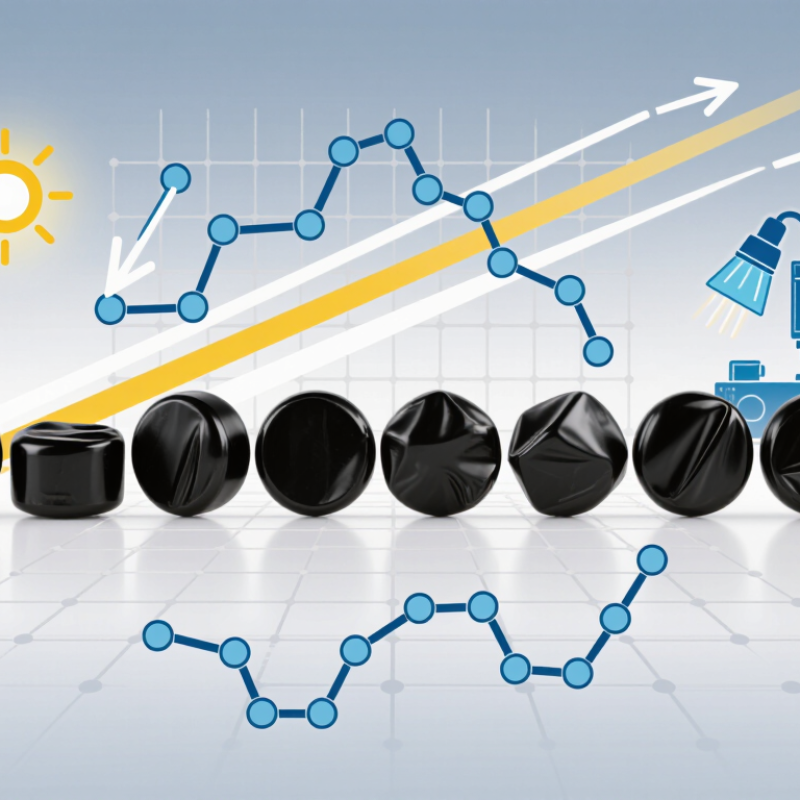
Anti-UV black polyethylene (PE) masterbatch is a concentrated additive blend mixed into PE during manufacturing. It typically contains carbon black, a PE carrier resin, and, depending on the formulation, light-stabilizing additives. Carbon black helps absorb and block ultraviolet radiation. Its performance depends on particle size and dispersion, not simply how dark the finished product looks. That matters.
A well-matched carrier resin helps the concentrate blend into the base polymer. Poor dispersion can leave tiny specks or weak areas in a film or molded part. Some formulations also use hindered amine light stabilizers or UV absorbers to support long-term weather resistance. The right combination depends on the product’s thickness, processing conditions, and exposure. Not always obvious.
During trials, processors can check melt flow, surface appearance, and dispersion in molded plaques. A glossy sample may still contain unevenly distributed pigment. I would not assume that a higher carbon-black loading automatically means better service life; it can affect processing and mechanical properties. Outdoor exposure tests can reveal weaknesses that a quick visual check misses. Formulation choices should follow the intended use, not a color match alone.
Black PE masterbatch performance depends on more than pigment content. Key properties include UV-screening efficiency, pigment dispersion, carrier-resin compatibility, and stable melt flow. Poor dispersion can leave pale streaks or weak spots in a molded part. Weathering tests should track color change and retained tensile strength, not appearance alone. ISO 4892 describes methods for exposing plastics to laboratory light and weathering conditions; results help compare formulations but cannot promise a fixed outdoor lifetime. A formulation may look excellent on paper and still disappoint at a thin edge.
Common uses include agricultural film, irrigation pipe, geomembranes, cable sheathing, and outdoor containers. The World Health Organization’s Global Solar UV Index guide recommends sun-protection measures at a UV Index of 3 or higher. That figure describes human exposure, not polymer durability, but it underscores why outdoor products need suitable UV protection. Service life still depends on climate, product thickness, processing, and exposure conditions.
Tips: Ask suppliers for weathering-test conditions, sample thickness, and property-retention data. Compare like with like. Check dispersion in a trial molding, too; a black surface can hide defects. If the application faces intense sun or heat, request testing that reflects its actual use.
Indicative formulation benchmarks for common polyethylene applications. Actual addition rates vary with masterbatch carbon-black content, resin, product thickness, and required UV exposure life; these figures are not supplier rankings.
Bars show representative midpoints; hover over a bar to view the indicative range. Higher outdoor UV exposure or longer service-life requirements may require formulation adjustments.
Evaluating an anti-UV black PE masterbatch supplier starts with your end use. Outdoor pipe, agricultural film, and molded parts face different heat, sunlight, and processing conditions. Ask for the recommended let-down ratio, carrier resin, melt flow rate, and carbon black content. Small details matter. Request a technical data sheet and a recent certificate of analysis, then check whether the values match your process.
A supplier should explain how dispersion and UV protection are assessed, not just promise “long life.” Compare samples in the same polyethylene grade, at the same dosage and part thickness. Look for even black color, low visible specking, and stable processing pressure. Ask about weathering test conditions, such as exposure method and hours; accelerated tests help compare samples but do not predict exact outdoor service life. A tidy data sheet can still miss a production problem.
Check lot-to-lot consistency and whether the supplier can trace sample and batch records. Run a small production trial before committing, and keep the settings, appearance, and test results. If the supplier offers technical support, ask who will review a failed trial and what information they need. Price matters, but an unclear dosage or uneven dispersion can cost more in scrap. Some evaluation criteria are easy to overlook, especially when a sample looks perfect.
Choosing among the Top 10 Anti-UV Black PE Masterbatch Suppliers requires more than comparing price or carbon-black content. PlasticsEurope’s Plastics— the Fast Facts 2024 reports global plastics production of 413.8 million tonnes in 2023, underscoring the scale of applications where outdoor durability matters. For PE film, pipe, or molded parts, ask suppliers for carbon-black dispersion data, recommended let-down ratios, and batch-to-batch consistency records. Small flaws matter.
A credible supplier should provide weathering-test evidence relevant to the intended product, such as testing under ISO 4892 methods. Compare exposure conditions, sample thickness, and retained mechanical properties; a test result without those details is hard to interpret. Request samples and check dispersion in your own resin and processing conditions. Black color alone proves little.
Also review carrier-resin compatibility, moisture control, and technical support for extrusion or molding trials. Ask how the supplier controls pigment agglomerates, which can create weak spots or surface defects. One caveat: accelerated weathering tests help compare formulations, but they cannot perfectly predict every outdoor service life. Supplier claims deserve scrutiny. A practical shortlist favors transparent test methods and traceable quality records over broad durability promises.
Comparing the top 10 anti-UV black PE masterbatch suppliers means looking beyond price and color. A capable supplier should explain how its carbon black and UV stabilizers are dispersed, and whether the carrier resin suits your polyethylene grade. Ask for a technical data sheet, a recent batch certificate, and recommended letdown ratios. These details help prevent uneven black streaks or brittle film after outdoor exposure. Small test runs matter.
Quality claims need evidence. Check whether the supplier can share results from controlled weathering tests, such as changes in color, tensile strength, or surface cracking over time. Test conditions should be clear; hours in a chamber do not directly predict years outdoors.
Compare batch-to-batch consistency, melt flow data, and moisture controls, too. A neat certificate is useful, but it is not the whole story.
Support can separate a workable supplier from a difficult one. Notice how quickly technical staff answer questions about processing temperature, screw design, or compatibility with recycled PE. Request trial quantities and a clear process for reporting defects. Some suppliers provide excellent paperwork but slow troubleshooting. That is worth weighing.
Keep notes from sample runs, including dosage, line speed, and appearance after cooling; supplier comparisons are rarely perfectly tidy.
Ask for the recommended let-down ratio, carrier resin, melt flow rate, and carbon black content. Request a technical data sheet and a recent certificate of analysis.
Match the sample to your polyethylene grade, dosage, and part thickness. Test it under your own processing conditions. Small differences can matter.
Check for even black color, few visible specks, and stable processing pressure. Black color proves little.
Ask about the exposure method, test hours, and sample thickness. Compare retained mechanical properties when available. Accelerated tests support comparisons, but they cannot predict exact outdoor service life.
Pigment agglomerates can create weak spots or surface defects. Ask how dispersion is assessed, then inspect samples in your own resin.
Request lot-to-lot records and traceability for samples and batches. A tidy data sheet may still miss a production problem.
Yes. Start with a small trial, and record settings, appearance, and test results. Keep the notes; they may reveal something the sample did not.
Ask who reviews a failed trial and what information they need. Check whether they can help with extrusion or molding conditions. I would not assume support is included.
No. Compare dosage, dispersion, test evidence, and traceable quality records. An unclear dosage or uneven dispersion can increase scrap costs.
Anti Uv Black Pe Masterbatch combines a polyethylene carrier with black pigment and ultraviolet stabilizers to help protect plastic products from sunlight-related degradation. Its performance depends on factors such as pigment dispersion, UV resistance, color consistency, processing compatibility, and the intended service environment. Common applications include outdoor films, pipes, agricultural products, and other polyethylene items that need durable black coloration and improved weatherability.
Choosing a supplier involves more than comparing prices. Buyers should assess product specifications, quality-control practices, production consistency, technical support, customization options, and experience with relevant applications. Comparing these capabilities across ten suppliers can help identify a dependable partner whose materials and service fit specific processing requirements and product goals. Clear communication and sample testing can further support an informed purchasing decision.