Lemon Yellow PE Masterbatch can look simple in a sample chip: a bright, clean yellow against white plastic. In production, the right grade depends on more than shade. Resin compatibility, pigment dispersion, loading level, heat stability, and the final application all matter. A color that looks vivid in a thin film may appear duller in a thick molded part. Small differences count.
Polymer scientist Dr. Chris DeArmitt is a useful reminder to examine polymer claims critically. I cannot verify a verbatim quotation from him about lemon-yellow masterbatch, so this guide uses an editorial paraphrase, not a direct quote: “Test the material in the process, not just on paper.” That distinction matters. Supplier data can be helpful, but it may not predict every line speed, wall thickness, or processing temperature.
This guide compares the leading Lemon Yellow PE Masterbatch types to consider in 2026, including standard color concentrates, high-strength grades, and formulations designed for specific processing or end-use needs. It also looks at pigment choice, carrier resin, dispersion, and practical selection criteria. The best option is not always the brightest one. Sometimes a slightly softer yellow performs more consistently. That trade-off deserves attention.
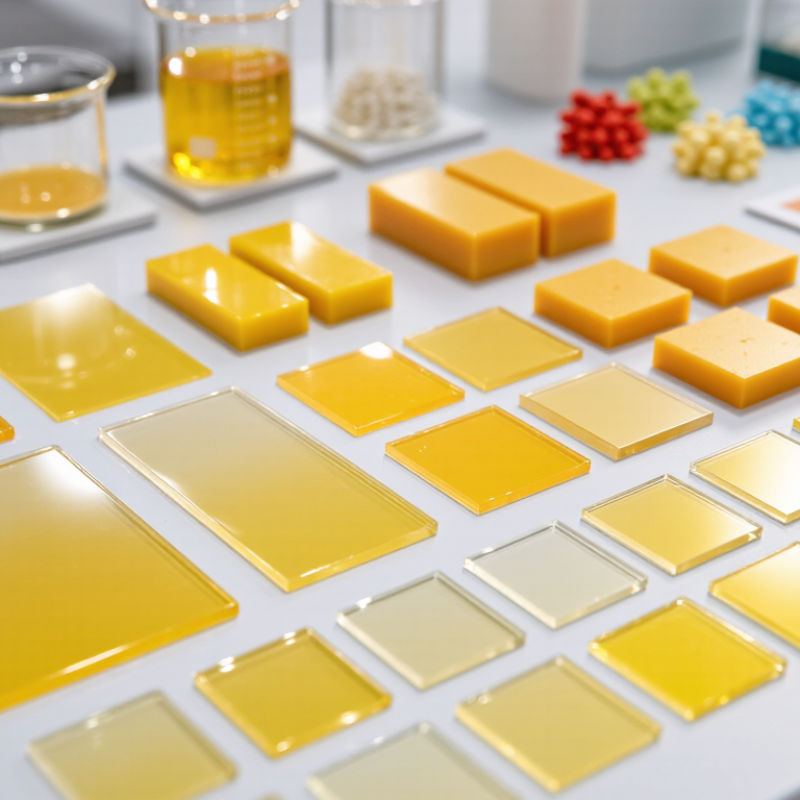
Lemon yellow PE masterbatch is a concentrated color blend made by dispersing yellow pigment in a polyethylene carrier. Processors add measured amounts to natural or colored PE during extrusion or molding. Common types include general-purpose concentrates, high-pigment concentrates, and grades tuned for outdoor exposure or specific processing conditions. The “best” type depends on resin grade, let-down ratio, end use, and required shade—not just the color name. Plastics Europe’s Plastics the Fast Facts 2024 reported 413.8 million tonnes of global plastics production in 2023. That figure covers all plastics, not PE alone, but it shows the scale of the materials market these concentrates serve.
Formulation balances pigment strength, dispersion, carrier compatibility, and heat stability. A well-dispersed concentrate should avoid visible specks and streaks; poor dispersion can show up as tiny dots on a pale film. Suppliers may use different yellow pigments to reach a clean lemon shade, so ask for the pigment identity, recommended dosage, and technical data for your processing temperature. Compare color using consistent sample thickness and lighting. ASTM D2244 provides a method for calculating color differences from measured values. One awkward truth: a thin lab plaque can look brighter than a thick molded part.
Tips: Make a small trial with the actual PE resin, machine settings, and product thickness. Record the dosage and compare samples under the same light before approving the shade.
What Are the Top Lemon Yellow PE Masterbatch Types in 2026?
Which Pigments Create Lemon Yellow Shades in Polyethylene?
Lemon yellow in polyethylene usually comes from organic yellow pigments with a clean, slightly greenish undertone. Arylide yellows, such as Pigment Yellow 74, can provide bright color and good value for many applications. Benzimidazolone yellows, including Pigment Yellow 154, are often considered when stronger heat and light resistance are needed. The best choice depends on processing temperature, end use, and the shade target. “Lemon yellow” is not one fixed color.
In a PE masterbatch, pigment dispersion matters as much as pigment selection. Poorly dispersed particles can leave tiny specks or uneven color across a molded part or film. A small amount of white pigment may create a paler, softer lemon shade, though it can also reduce brightness. I would not choose by pigment name alone; actual resin and processing trials can reveal surprises.
Tips: Compare samples in the finished polyethylene, not just on a color card. Check shade, heat stability, and light exposure. Keep the base resin and let-down ratio consistent. Small changes can shift a yellow toward green or orange.
Representative pigment choices for creating green-shade, lemon-yellow colors in polyethylene (PE). Actual shade and performance vary by pigment grade, concentration, dispersion, polymer, and processing conditions.
| Pigment Type | Color Index & Chemistry | Typical Shade in PE | Typical PE Applications | Main Advantages | Selection Considerations |
|---|---|---|---|---|---|
| Arylide yellow | Pigment Yellow 3 (PY 3); monoazo organic pigment | Bright, green-shade yellow that can produce a lemon-yellow appearance | General-purpose PE films, bags, and molded articles where the selected grade meets processing requirements | Can provide a bright shade and useful color strength in general-purpose applications | Check the specific grade’s heat and light fastness for the intended processing temperature and end use. |
| Arylide yellow | Pigment Yellow 74 (PY 74); monoazo organic pigment | Strong green-shade yellow; commonly considered for lemon-yellow color matching | PE films, packaging, and injection- or blow-molded products, subject to grade-specific suitability | Bright color and good color strength can make it useful for economical shades | Thermal stability and migration performance are grade-dependent; confirm suitability for the polymer and processing conditions. |
| Benzimidazolone yellow | Pigment Yellow 151 (PY 151); benzimidazolone organic pigment | Green-shade yellow that can be formulated toward a clean lemon shade | PE products requiring improved fastness compared with many general-purpose yellow pigments | Typically offers stronger fastness and heat-resistance potential than conventional arylide yellows | Check the selected grade’s shade, dispersion, and processing limits; high-performance pigments may have higher formulation costs. |
| Quinophthalone yellow | Pigment Yellow 138 (PY 138); quinophthalone organic pigment | Distinctive greenish yellow, suitable where a clean, bright yellow is required | PE applications where light and weather fastness are important, depending on the grade and formulation | Known for strong lightfastness and good durability in many pigment applications | Confirm the exact shade and dispersion behavior in the chosen PE resin; its color may differ from standard arylide lemon yellows. |
| Isoindolinone yellow | Pigment Yellow 139 (PY 139); isoindolinone organic pigment | Green-shade yellow that can contribute to a durable lemon-yellow formulation | PE products requiring a balance of bright color and improved durability | High-performance pigment family with good heat and light fastness potential | Evaluate shade, dispersion, and compatibility in the actual PE grade; performance depends on the specific pigment grade. |
Formulation note: A PE masterbatch may use an LDPE, LLDPE, or HDPE carrier selected for compatibility with the target product. Request grade-specific technical data for heat stability, lightfastness, migration, and regulatory compliance before production.
What Are the Main Lemon Yellow PE Masterbatch Types?
Lemon yellow PE masterbatch is commonly grouped by pigment family, color strength, and intended use. Organic-pigment grades often provide bright, clean shades for films and molded products. Some inorganic-pigment formulations can offer stronger opacity or better resistance to heat and outdoor exposure. Actual performance depends on the pigment blend, carrier resin, and processing conditions. There is no single “best” type.
Another useful distinction is standard versus concentrated masterbatch. Standard grades suit routine coloring, while concentrated grades can reduce the amount added when strong color is needed. Film, pipe, and injection-molding applications may also require different dispersion and heat-stability profiles. Check that the polyethylene carrier matches the base resin. A shade that looks right in a sample may shift in a thicker part. Small differences matter.
Tips: Ask for a technical data sheet and test a small batch under your actual temperature and mixing conditions. Compare the color in the final product, not only in pellets. Test it first. Pigment names alone do not guarantee the same shade or performance, and I would not treat a quick visual match as proof of compatibility.
What Are the Top Lemon Yellow PE Masterbatch Types in 2026?
How Each Type Performs in Common Applications
High-opacity lemon yellow masterbatch suits injection-molded crates, caps, and household parts. Its stronger coverage helps mask recycled or naturally colored resin. On a molded surface, the shade can look bold and even. Too much pigment, however, may affect flow or make the color appear harsh. Small trial batches help reveal the balance.
For thin films and packaging, finely dispersed, high-strength grades can deliver bright color with lower addition rates. Good dispersion matters: poorly mixed pigment may show tiny specks across a clear film. Not ideal. A PE-compatible carrier generally supports more consistent blending, though the right let-down ratio depends on the resin and equipment. Check film samples under both indoor and daylight conditions.
Outdoor products, such as garden edging or storage bins, may benefit from weather-resistant grades containing suitable stabilizers. These can help limit fading, but performance varies with exposure, thickness, and formulation. Cost-focused general-purpose grades work for short-life indoor items where exact shade retention matters less. No grade is perfect. I would compare color, processing, and aging results on the actual production line; a neat laboratory plaque can be misleading.
Typical performance of common lemon-yellow organic pigment types in polyethylene applications
Ratings are indicative relative screening scores from 1 (lower) to 5 (higher), not standardized test results. PY3 and PY74 can offer strong color strength, while PY138 and PY151 are generally selected when greater heat and light resistance is needed. Actual performance depends on the pigment grade, masterbatch formulation, processing conditions, and end-use requirements; confirm suitability with supplier data and application testing.
For 2026 applications, compare lemon yellow PE masterbatch by carrier compatibility, pigment strength, dispersion, and required light stability. High-concentration grades can reduce let-down rates, but they need accurate dosing and thorough mixing. Standard-strength grades may suit general packaging or molded parts where color consistency matters more than maximum loading. A PE-based carrier is usually a sensible starting point for polyethylene, though resin type and processing conditions still affect results.
Check the technical data sheet for pigment content, recommended dosage, heat resistance, and batch-to-batch color tolerance. Then run a small trial using the actual resin and production settings. Look for specks, streaks, and color shifts on both thick and thin sections.
Small details matter.
For outdoor parts, ask for relevant weathering data rather than assuming a bright yellow will stay bright. For film, assess transparency, blocking, and whether the shade changes at the target thickness. I would also compare samples under consistent lighting; judging by eye beside a window can be misleading. No grade is perfect for every line, and a quick trial may reveal issues that a specification sheet misses.
It is concentrated yellow pigment dispersed in a polyethylene carrier. Processors blend measured amounts into PE during extrusion or molding.
Common options include standard-strength, high-concentration, outdoor-focused, and process-specific grades. Organic pigments can give bright shades, while some inorganic blends offer greater opacity or resistance.
Standard grades suit routine coloring. Concentrated grades may use less material, but need accurate dosing and thorough mixing. Test it first.
It is a sensible starting point, but resin type and machine conditions still matter. Check carrier compatibility with your actual base resin.
Review pigment content, recommended dosage, heat resistance, and color tolerance. Ask for relevant weathering data if the part will be used outdoors.
Look for tiny dots, specks, or streaks in the finished product. A pale film can make these defects easier to see.
Thickness, processing conditions, and lighting can change how the shade appears. A thin lab plaque may look brighter than a thick molded part.
Run a small trial with the actual resin, settings, and product thickness. Compare samples under consistent lighting. I might still trust my eyes too much.
For film, check transparency, blocking, and shade at target thickness. For outdoor parts, review weathering data rather than assuming the color will last.
Lemon Yellow Pe Masterbatch is a concentrated color additive made by dispersing yellow pigments and selected processing ingredients in a polyethylene carrier. Its final shade and performance depend on pigment choice, pigment loading, dispersion quality, and compatibility with the target PE resin. Formulations may also include additives to support processing or improve resistance to heat, light, and color change.
Main types can be distinguished by shade strength, pigment concentration, durability, and intended processing conditions. Standard grades may suit general-purpose products, while higher-performance options can be considered where greater color stability or outdoor exposure resistance is needed. In films, molded parts, and extruded products, the right type should deliver an even lemon-yellow appearance without impairing processing. For 2026 applications, compare shade accuracy, dispersion, resin compatibility, heat and light resistance, required dosage, and total cost before selecting a grade.