High Carbon Black Black PE Masterbatch is a concentrated blend of carbon black, polyethylene carrier resin, and performance additives. It is used to produce deep-black plastic products with consistent shade, opacity, and weathering resistance. The repeated word “Black” is imperfect, but it reflects how buyers often search for highly loaded black PE formulations.
Market context explains its importance. PlasticsEurope reported approximately 400.3 million tonnes of global plastics production in 2022. Grand View Research also valued the global masterbatch market at about USD 12.8 billion in 2023, with continued growth expected through 2030. These figures show strong demand for efficient color concentrates. They do not guarantee that every formulation will perform equally.
Carbon black loading affects darkness, dispersion, melt flow, surface appearance, and filtration pressure. A pellet can look extremely black, yet produce streaks during extrusion. That detail matters. Poor dispersion may create weak points around thin packaging walls or molded corners. Testing remains essential.
Carbon-black scientist Dr. James-B. Donnet stated, “Carbon black is not only a colorant; it is also a reinforcing filler.” This principle helps explain why High Carbon Black Black PE Masterbatch can influence both appearance and material performance. The correct grade depends on polymer type, processing temperature, let-down ratio, UV exposure, and end-use requirements. ISO 18553 can support dispersion evaluation, while supplier technical data should confirm pigment content and carrier compatibility.
A reliable selection process combines laboratory testing with production experience. Start with a small trial. Check shade, pressure, tensile behavior, and surface uniformity. The darkest option is not always the best option.
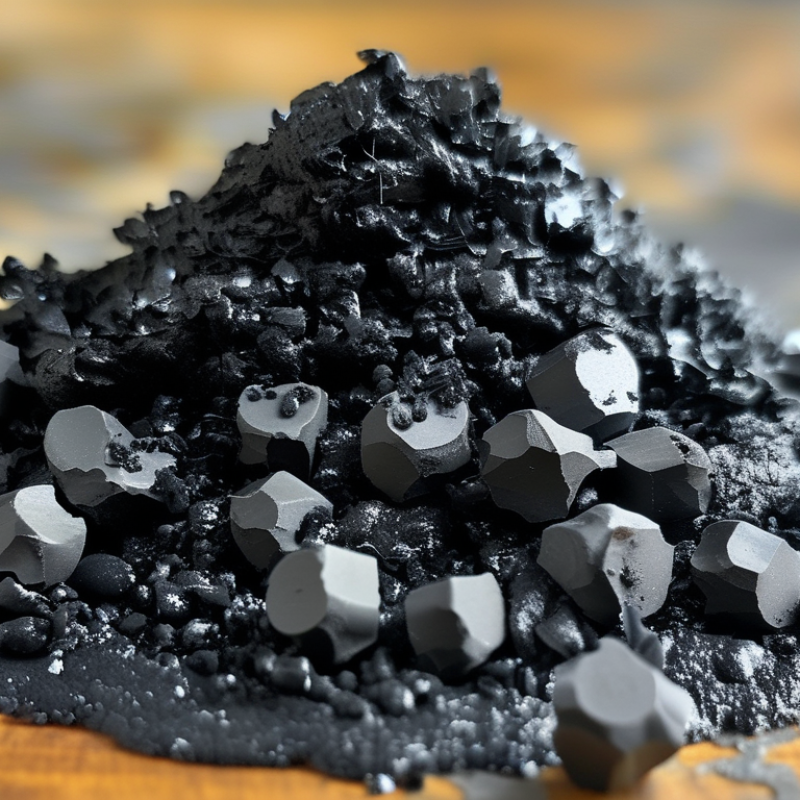
What Is High Carbon Black PE Masterbatch?
High carbon black PE masterbatch is a concentrated blend of carbon black dispersed in polyethylene resin. Its main purpose is to add deep black colour, opacity, and protection against ultraviolet radiation. The PE carrier helps the concentrate mix evenly during extrusion or injection moulding.
Composition matters more than the name suggests. A typical high-loading grade may contain 30–50% carbon black, with the balance formed by polyethylene and small amounts of dispersing additives. The International Carbon Black Association reports that carbon black commonly contains more than 95% elemental carbon. PlasticsEurope recorded global plastics production at about 414 million tonnes in 2023, showing why consistent pigmentation and material efficiency remain important across large-volume applications. However, “high carbon” is not a universal classification. Suppliers may use different loading levels, so technical data sheets deserve careful review.
Tips: Check carbon black content, carrier compatibility, moisture, and dispersion performance. ASTM D1603 can help measure carbon black content in polyethylene. A practical trial is still necessary. Two concentrates with similar percentages may produce different streaks, gloss, or filter pressure. I have found that excessive loading can improve opacity but reduce flow and complicate processing. That trade-off is easy to underestimate. Proper mixing temperature and screw design also influence the final surface appearance.
High carbon black PE masterbatch is a concentrated blend of carbon black and polyethylene carrier resin. It provides deep color, opacity, UV resistance, and electrical control in plastic products. Carbon black content commonly ranges from 30% to 50%, depending on the application. The global plastics industry produced about 400.3 million tonnes in 2022, according to PlasticsEurope’s Plastics—The Fast Facts 2023 report. This scale demands stable and repeatable color dispersion.
Manufacturing begins with selecting carbon black by particle size, structure, surface area, and tint strength. The powder is then dried and accurately dosed with PE resin and processing additives. A twin-screw extruder applies controlled heat and shear. This action breaks agglomerates and distributes carbon black through the molten polymer. A melt filter can remove unwanted particles before strand cooling and pelletizing. The difficult part is not blackness. It is consistency.
Quality control should measure carbon black loading, moisture, ash, melt flow rate, and dispersion. A pigment dispersion test under microscopy can reveal small clusters that visual inspection misses. The International Carbon Black Association identifies dispersion and surface characteristics as major performance factors. In practice, some batches still need adjustment. Excessive shear may raise energy use or damage the resin, while insufficient mixing leaves visible streaks. A careful producer therefore records temperature, torque, feed rate, and pellet appearance for every production run.
High carbon black black PE masterbatch is a concentrated additive for polyethylene products. It combines carbon black pigment with a compatible PE carrier. The carrier helps distribute pigment during extrusion and molding. In practical production, performance depends on dispersion, pigment quality, and processing conditions. A dark pellet is not enough. Poor dispersion can create streaks, weak spots, or uneven surface color.
Carbon black provides strong opacity, deep blackness, and protection against ultraviolet exposure. Smaller, well-dispersed particles usually deliver better jetness and more consistent coverage. The masterbatch can also influence melt flow, surface finish, and electrical behavior. However, higher pigment loading does not always mean better results. Excessive carbon black may increase melt viscosity or reduce impact performance. It can also raise heat absorption in outdoor products. This trade-off deserves careful testing.
Processors should check color strength, dispersion, moisture, filtration pressure, and melt flow before full production. A small trial can reveal problems early. Mixing time and screw design also matter. For outdoor applications, accelerated weathering tests provide more reliable evidence than visual inspection alone. There is no universal dosage for every PE grade. I would not treat a supplier’s standard recommendation as a final answer. Small changes in resin, wall thickness, or cooling rate can alter the result. Performance should be confirmed on the actual machine and finished part.
High carbon black PE masterbatch is a concentrated additive used to color and protect polyethylene products. It contains carbon black dispersed in a polyethylene carrier resin. During processing, manufacturers blend it with natural polyethylene pellets. The mixture produces a deep black appearance with consistent coverage. Carbon black can also improve resistance to ultraviolet exposure, which helps outdoor products last longer.
This masterbatch is widely used in agricultural films, packaging films, pipes, cables, tanks, and molded containers. In agricultural film, it can support light blocking and reduce unwanted algae growth. In pipes and tanks, it helps provide a stable black color and better weathering performance. Packaging producers may use it for dark bags, refuse liners, and industrial wrapping. However, a higher carbon black level does not always mean better results. Excessive loading can reduce melt flow, weaken dispersion, or create surface streaks. Processing temperature, screw design, and mixing time all influence the final quality.
Tips: Match the masterbatch carrier with the polyethylene grade whenever possible. Check dispersion with a simple film or plaque test before full production. Measure color strength, melt flow, and surface uniformity. A formula may look reliable on paper, yet production results can still vary. Small trials often reveal problems early.
High Carbon Black PE Masterbatch: Selection, Processing, and Storage Considerations
High carbon black PE masterbatch combines concentrated carbon black with a polyethylene carrier. It creates deep opacity, UV shielding, and consistent coloring when dispersion is controlled. For selection, check carbon black content, carrier density, melt flow rate, and pellet geometry. Many high-loading grades contain 40–50% carbon black, but the exact level changes viscosity and filter pressure. Do not select by shade alone. ASTM D1603 can verify carbon black content, while ISO 1133 helps compare melt flow behavior. These checks expose variation between certificates and actual pellets.
Processing needs measured heat and steady shear. Dry, clean PE pellets usually feed smoothly, although moisture and fines can still cause surface defects. Use the carrier’s recommended temperature window, then adjust screw speed gradually. Excessive shear may create black specks or raise melt temperature. Start small. PlasticsEurope reported 400.3 million tonnes of global plastics production in 2022, according to Plastics—The Facts 2023. At that scale, small dosing errors can become expensive.
Storage deserves equal attention. Keep sealed bags indoors, away from sunlight, rain, and heated walls. Use pallets, not bare concrete. Rotate stock by receipt date and reseal opened bags immediately. A practical target is stable temperature, low dust, and no visible pellet clumping. I have seen acceptable color become uneven after careless storage. That failure is easy to blame on the extruder. Sometimes the material was the real problem.
Selection, processing, and storage decisions affect dispersion, surface appearance, mechanical performance, and color consistency. The chart shows practical starting melt-processing windows for common PE carrier types used with high carbon black masterbatch.
These temperature ranges are general processing guidelines rather than fixed specifications. Select a carrier compatible with the base resin, use sufficient mixing without excessive residence time, and confirm the final settings against the masterbatch and resin technical data sheets. Store pellets sealed, dry, and away from direct sunlight and contamination.
It is a concentrated blend of carbon black, polyethylene resin, and processing additives. Carbon black content commonly ranges from 30% to 50%. It creates deep color, opacity, ultraviolet resistance, and electrical control. A dark pellet misleads. Dispersion matters more than appearance.
Carbon black is selected by particle size, structure, surface area, and tint strength. The powder is dried and accurately dosed with PE resin. A twin-screw extruder applies controlled heat and shear. This distributes pigment through molten polymer. The melt is filtered, cooled into strands, and pelletized.
Good dispersion creates even color and stable performance. Poor dispersion may cause streaks, weak spots, or rough surfaces. Microscopic testing can reveal clusters that visual inspection misses. The difficult part is consistency. I would not judge quality from pellet color alone.
It can improve blackness, opacity, ultraviolet resistance, and sometimes electrical behavior. It may also affect melt flow and surface finish. Smaller, well-dispersed particles often provide stronger coverage. Results still depend on the PE grade and processing conditions.
No. Excessive loading may increase melt viscosity and reduce impact performance. It can also increase heat absorption outdoors. Higher pigment content is not automatically better. Testing should guide the final concentration.
Important checks include carbon black loading, moisture, ash, melt flow rate, and dispersion. Producers should also monitor filtration pressure and color strength. Microscopy can expose small pigment clusters. Each batch should be recorded carefully.
Temperature, torque, feed rate, screw design, and mixing time require control. Excessive shear can increase energy use or damage the resin. Insufficient mixing may leave visible streaks. Small process changes matter.
There is no universal dosage for every polyethylene grade. Begin with a small machine trial and inspect the finished part. Check wall thickness, cooling rate, color, flow, and surface quality. Standard recommendations are only starting points. The actual machine should decide.
High Carbon Black Black Pe Masterbatch is a concentrated additive made by dispersing a high level of carbon black pigment in a polyethylene carrier resin. It is designed to provide strong, uniform black coloration while improving opacity, light shielding, and resistance to ultraviolet exposure. During manufacturing, carbon black is carefully mixed with the carrier resin and processing aids, then compounded under controlled heat and shear before being pelletized for convenient use.
Its key performance depends on pigment concentration, dispersion quality, carrier compatibility, and moisture control. This masterbatch is commonly used in polyethylene films, pipes, agricultural products, packaging materials, injection-molded parts, and other applications requiring consistent black color and enhanced weatherability. Users should select a grade compatible with the target polyethylene and processing method, follow the recommended addition ratio, and maintain suitable temperature and mixing conditions. Sealed, dry, and cool storage helps preserve dispersion performance and prevents contamination or moisture-related processing problems.