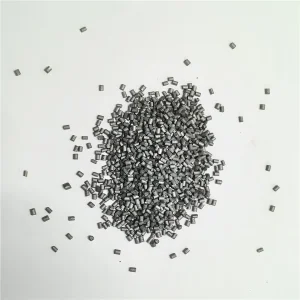
Explore our high-concentration Polyethylene masterbatch product catalog, optimized for high-speed extruders, blow molding, and injection lines requiring uniform dispersion and high thermal stability.
In modern industrial polymer processing, securing a cheap full container export PE masterbatch company or manufacturer without sacrificing mechanical integrity or pigment dispersion is a paramount objective for global purchasing executives. Polyethylene (PE) masterbatch serves as the foundational additive matrix for blown film extrusion, injection molding, blow molding, and pipe extrusion. Converting virgin or recycled polyolefin resins into high-value plastic products requires masterbatch compounds engineered with precise Melt Flow Indices (MFI), optimal carrier resin compatibility, and superior pigment loading.
When procurement teams evaluate international supply chains—particularly manufacturers based in primary industrial hubs such as Jiangsu Province, China—the total cost of ownership (TCO) is governed by two key factors: compounding efficiency and logistics optimization. Purchasing via Full Container Loads (FCL) drastically reduces freight overhead per metric ton, mitigates transshipment handling hazards, and locks in wholesale pricing from direct compounding facilities like Changzhou Jiazhou Plastic Products Co., Ltd.
Technical Insight: Achieving optimal dispersion in thin-gauge blown films (down to 10 microns) requires a Filter Pressure Value (FPV) below 1.5 bar/g. Direct Chinese compounding lines utilize high-torque twin-screw extruders with specialized screw profiles to achieve sub-micron pigment particle distribution, eliminating die buildup and film breakages during high-speed production.
China's dominance in the global masterbatch market is driven by fully integrated polymer supply chains and extensive manufacturing clusters. Companies like Changzhou Jiazhou Plastic Products Co., Ltd. leverage direct integration with major upstream petrochemical suppliers (such as Sinopec and PetroChina) for base carrier resins (LDPE, LLDPE, HDPE), alongside localized access to high-grade inorganic pigments (Titanium Dioxide TiO2, Carbon Black) and organic colorants.
Proximity to regional monomer refineries and pigment producers cuts raw material transport costs. This allows manufacturers to offer competitive bulk pricing while maintaining high pigment concentration levels (up to 70% TiO2 in white masterbatch or 40% Carbon Black in black masterbatch).
Exporting via 20ft GP (approx. 18–22 MT) or 40ft HQ (approx. 25–28 MT) full containers minimizes ocean freight costs per kilogram compared to Less-than-Container Load (LCL) shipments. FCL shipments also reduce moisture exposure and bag damage during international transit.
Utilizing high-speed, co-rotating twin-screw extruders equipped with loss-in-weight feeders ensures precise dosing of pigments, carrier resins, and processing aids (e.g., fluoroelastomer PPA), guaranteeing batch-to-batch consistency with color variance Delta E < 0.5.
| Container Specification | Average Payload (Palletized) | Average Payload (Unpalletized / Bulk Slip-Sheet) | Moisture Control Protocol | Ideal Procurement Intent |
|---|---|---|---|---|
| 20 Feet GP Container | 18.0 - 19.5 Metric Tons | 21.0 - 22.5 Metric Tons | Desiccant packs + Container Liner Bag | Medium-volume processors / Multi-color mixed FCL |
| 40 Feet HQ Container | 24.0 - 25.5 Metric Tons | 26.5 - 28.0 Metric Tons | Vacuum sealed 25kg PE/Paper bags + Stretch Wrap | High-volume industrial converters / Single-grade bulk orders |
The global masterbatch market is evolving rapidly under strict international environmental regulations and technological shifts toward sustainable plastic processing. Leading exporters are implementing advanced formulation chemistry to satisfy the following industry benchmarks:
With regulations like REACH and EU packaging directives mandating Post-Consumer Recycled (PCR) content, masterbatch manufacturers are engineering universal PE carriers compatible with contaminated or degraded recycled streams, incorporating anti-oxidants and thermal stabilizers to prevent polymer chain scission.
Modern high-output extrusion machinery operates at elevated shear rates and temperatures. Advanced color and black masterbatches utilize heat-stabilized organic pigments and high-purity carbon black to avoid thermal degradation, gas evolution, or color shifting during processing.
Global enterprises require masterbatch formulations free from heavy metals, phthalates, and primary aromatic amines. Formulations certified under FDA 21 CFR, RoHS 3.0, and REACH SVHC regulations enable safe use in food containers, beverage caps, and medical packaging.
Different plastic converting processes impose unique rheological and thermal demands on PE masterbatch compounds. The table below outlines formulation selection guidelines based on conversion technologies:
| Application Scenario | Recommended Masterbatch Type | Carrier Resin Base | Pigment / Filler Content | Key Performance Metrics |
|---|---|---|---|---|
| Agricultural Blown Film (Mulch / Silage) | UV Black Masterbatch / Carbon Black | LLDPE / LDPE (MFI 2-4) | 35% - 45% Carbon Black + HALS UV | Weatherability, UV protection, high tensile strength, zero pinholes |
| Courier Mailer Bags & Co-Ex Packaging | High Opacity White / Grey Masterbatch | LDPE (MFI 4-7) | 60% - 70% Rutile TiO2 / Carbon Blend | High opacity, light blocking, smooth surface finish, clean printability |
| Injection Molded Crate & Housewares | Custom Color PE Masterbatch (Red/Blue/Green) | HDPE (MFI 8-20) | 20% - 40% Organic/Inorganic Pigment | Dimensional stability, low warpage, bright hue, fast cycle time |
| PE Pipe & Industrial Profile Extrusion | P-Type Carbon Black / Filler Masterbatch | HDPE / LLDPE (MFI 0.5-1.5) | 20% - 25% P-Type Carbon / CaCO3 | Chemical resistance, hydrostatic strength, excellent pigment dispersion |
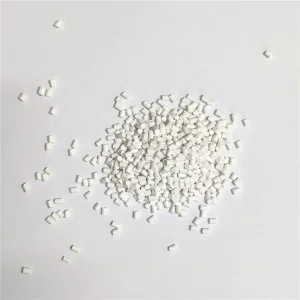
1. Flexible Packaging & Fast-Moving Consumer Goods (FMCG): In high-speed blown film co-extrusion lines (3-layer or 5-layer), white masterbatch with high TiO2 purity prevents light-induced food oxidation while keeping film thickness minimal.
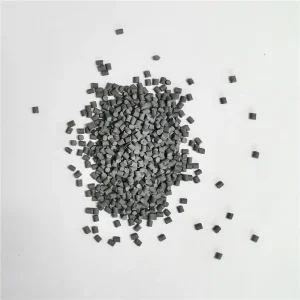
2. Civil Infrastructure & Geonets: High-density polyethylene (HDPE) pipes and geogrids demand carbon black masterbatches featuring micro-fine particle distribution (sub-25 nanometer particle size) to prevent environmental stress cracking (ESCR) when exposed to soil chemicals and sunlight.
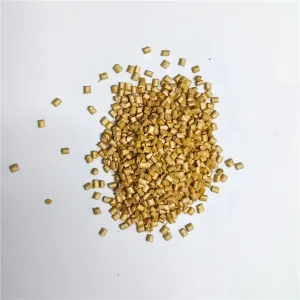
3. Consumer Goods & Rigid Containers: Vibrant color masterbatches (gold, silver, rose red, yellow) engineered with non-migratory pigment bases ensure cosmetic bottles and household items maintain color stability without leaching into products.
For international buyers sourcing full containers from Chinese manufacturers, standardized Quality Assurance (QA) and Quality Control (QC) protocols are critical to ensure batch consistency across shipments. Manufacturers like Changzhou Jiazhou Plastic Products Co., Ltd. operate under a 5-step procurement workflow:
Clients submit target Pantone/RAL codes or physical plastic samples. Laboratory technicians utilize computer spectrophotometers to formulate exact color matches, issuing a Delta E report before production.
Melt Flow Index (MFI) testing ensures the masterbatch matches the processing viscosity of the buyer's virgin resin, preventing melt fracture, phase separation, or uneven color distribution during extrusion.
Trial batches undergo blown film or injection sample molding to measure Filter Pressure Value (FPV). Sample swatches are dispatched via express courier for client sign-off.
Automated twin-screw extrusion lines compound the full order. Automated gravimetric feeders ensure real-time pigment ratio control, followed by continuous pelletization and dust screening.
Every exported container is accompanied by a batch-specific CoA covering MFI, moisture content (<0.15%), heat stability, and bulk density, backed by photos of pallet loading and sea-container sealing.
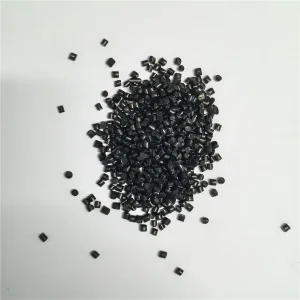
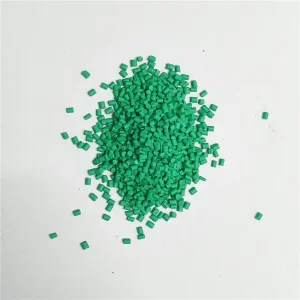
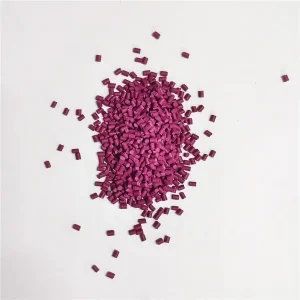
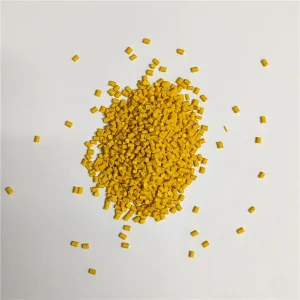
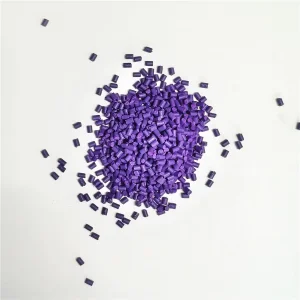
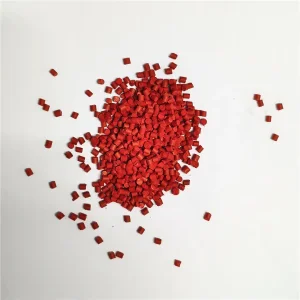
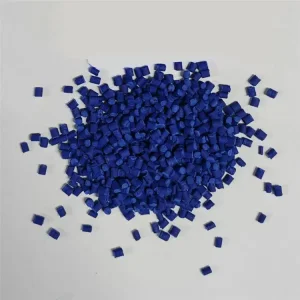
Select from our complete range of specialized PE pigment masterbatches available for full container load (FCL) export. Direct factory customization and private labeling options are fully supported.
Comprehensive answers to common technical, commercial, and logistical inquiries raised by international polymer importers and procurement managers.