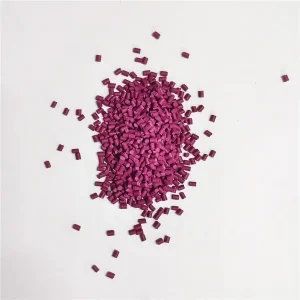
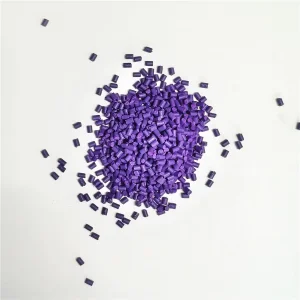
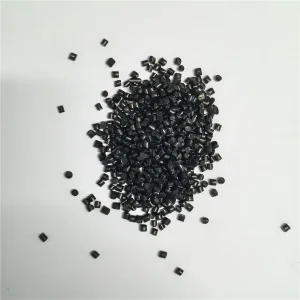
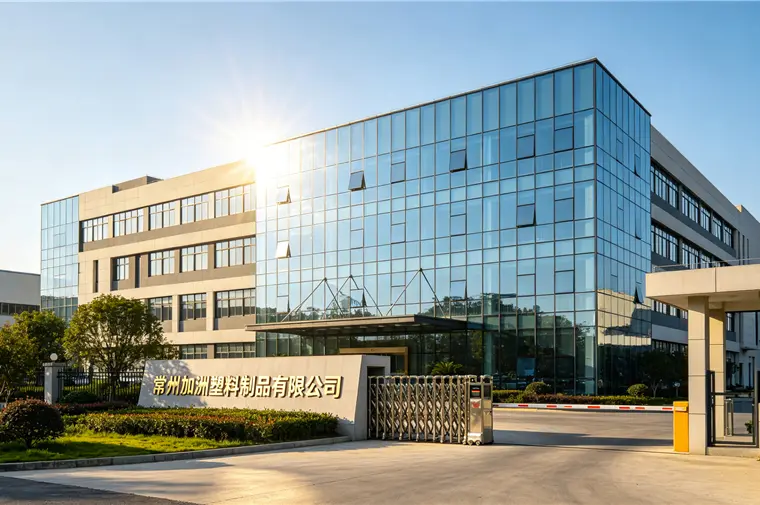
High-concentration formulas engineered for processing stability up to 260°C - 300°C without thermal discoloration or resin degradation.
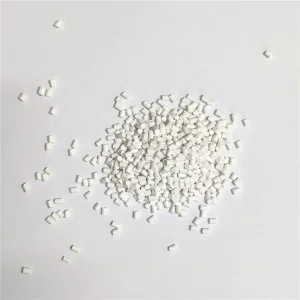
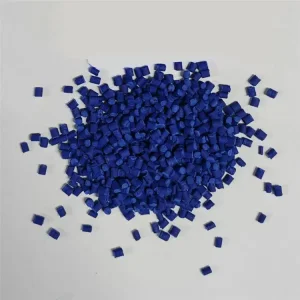
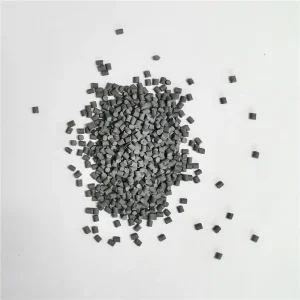
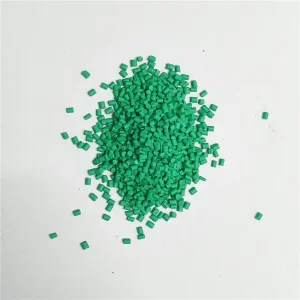
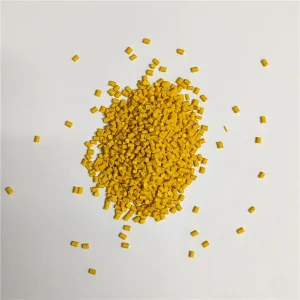
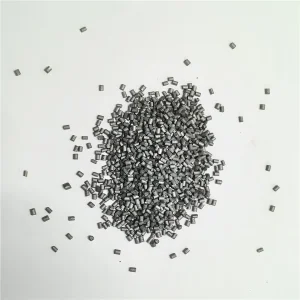
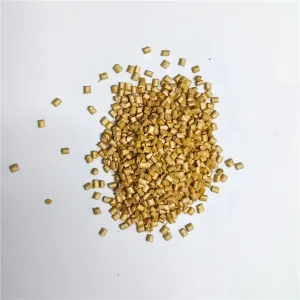
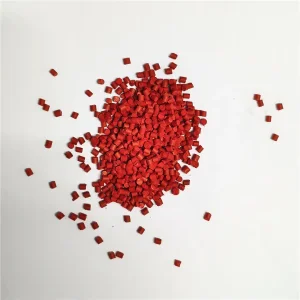
In the modern plastics processing ecosystem, polyethylene (PE)—comprising Low-Density Polyethylene (LDPE), Linear Low-Density Polyethylene (LLDPE), and High-Density Polyethylene (HDPE)—serves as the foundational polymer matrix for thousands of industrial and commercial products. However, high-speed extrusion, thin-wall injection molding, and multi-layer film blowing subject base resins to extreme shear stress and elevated processing temperatures ranging from 220°C up to 300°C.
Standard colorants frequently suffer from thermo-oxidative degradation under these conditions. This degradation manifests as color shift (measured via Delta E), pigment agglomeration, filter screen clogging, gas venting issues, and loss of tensile strength in the end-product. The quest for cheap high temperature resistant PE masterbatch factories & suppliers is therefore not merely a search for lower unit prices; it is a critical strategic imperative to secure high-concentration pigment systems stabilized with primary and secondary antioxidants, sophisticated carrier polymers, and dispersion aids that perform flawlessly under extreme thermal loads.
When unprocessed pigments are exposed to high melt temperatures without adequate thermal stabilization, three critical failure modes occur:
Empirical laboratory performance metrics demonstrating information gain across thermal endurance, dispersion indices, and compliance standards.
| Performance Parameter | Standard PE Masterbatch | Jiazhou High-Temp PE Masterbatch | Test Standard / Method |
|---|---|---|---|
| Thermal Stability (°C) | 180°C - 210°C | 260°C - 300°C | DIN EN 12877 / ISO 306 |
| Pigment Loading Concentration | 15% - 35% | 40% - 75% High Concentration | Gravimetric / TGA Analysis |
| Filter Pressure Value (FPV) | > 3.0 bar/g | < 0.8 bar/g (Ultra-Fine) | EN 13900-5 (Mesh 14 mesh/45µm) |
| Color Difference (Delta E) | > 1.8 after 5 min dwell | ≤ 0.5 (Imperceptible) | CIELAB (D65 Illuminant, 10°) |
| Weather Resistance (Lightfastness) | Grade 4 - 5 | Grade 7 - 8 (Blue Wool Scale) | ISO 105-B02 Xenon Arc |
| Migration Resistance | Level 3 (Slight Bleeding) | Level 5 (Non-Migration) | DIN 54006 / Solvent Extraction |
Utilizing high MFI virgin linear low-density polyethylene carrier matrixes ensures instant molecular blendability with HDPE, LLDPE, and PP base resins without altering melt strength or structural flexibility.
Advanced continuous twin-screw kneaders disintegrate pigment agglomerates down to sub-micron particle sizes, eliminating specks, streaks, and pinhole ruptures during ultra-thin film blowing.
Integrated Irganox 1010 (Hindered Phenol) primary antioxidants and Irgafos 168 (Phosphite) secondary processing stabilizers scavenge free radicals, shielding color hue under long cycle times.
Global plastic convertors face unprecedented pressure to optimize bill-of-material costs without compromising end-use performance. Searching for a cheap high temperature resistant PE masterbatch factory leads international procurement directors directly to China's specialized chemical manufacturing hubs, particularly Changzhou in Jiangsu Province.
The primary economic and technical drivers behind China's dominance in high-concentration polyolefin masterbatch manufacturing include:
How tier-1 masterbatch manufacturers deliver localized compliance, fast sampling, and batch-to-batch traceability for multinational enterprises.
Complete certification documentation including REACH SVHC disclosure, RoHS 3 directive (EU 2015/863), FDA 21 CFR food contact safety, EN 71-3 toy safety, and heavy-metal-free validation.
Bespoke color matching laboratory capable of formulating exact RAL, Pantone, or customer swatch samples with physical lab-test plaques dispatched via express air freight within 48 hours.
Dedicated technical engineers supporting on-site extrusion machine calibration, screw L/D ratio adjustment, and Let-Down Ratio (LDR) optimization to prevent process downtime.
Tailored masterbatch performance profiles engineered for diverse plastic converting machinery.
Ideal for agricultural greenhouse films, heavy-duty shipping sacks (FFS), and courier express bags. High-temp white (TiO2) and color masterbatches ensure zero film bubble instability, bubble breaks, or pinholes even at wall thicknesses under 15 microns.
Designed for food packaging containers, automotive interior trim components, and household electronics housing. Rapid dispersion prevents surface jetting, sink marks, or warpage caused by differential shrinkage during rapid cooling cycles.
Formulated for HDPE municipal water pipes, telecommunication microducts, and outdoor architectural decking. Incorporates high-grade Carbon Black (P-type/Channel type) for maximum long-term UV protection and thermal stabilization up to 50 years.
The global plastics industry is undergoing a structural transition toward circular economy compliance. Masterbatch manufacturers are no longer evaluated solely on initial color brilliance and thermal stability, but also on their ability to facilitate Post-Consumer Recycled (PCR) and Post-Industrial Recycled (PIR) resin processing.
Modern high-temperature PE masterbatches act as functional upgrade agents for recycled polymers. During re-melting, PCR resins suffer from thermal degradation history, resulting in chain scission, odor, yellowing, and loss of impact strength. Advanced masterbatches integrate chain extenders, odor absorbers, and NIR-detectable (Near-Infrared) black pigments that allow automatic sorting machines in recycling plants to categorize black plastics efficiently.
Expert answers regarding thermal processing parameters, dosage optimization, and carrier compatibility.
A standard PE masterbatch typically begins to degrade, alter hue, or experience additive sublimation above 200°C - 220°C. A true high-temperature resistant masterbatch is specifically formulated with thermally stable inorganic pigments (such as Titanium Dioxide, Iron Oxide, or Complex Inorganic Color Pigments - CICPs) or high-performance organic pigments (such as Phthalocyanines, Quinacridones, and Perylenes), paired with primary/secondary antioxidant packages. This allows processing at continuous melt temperatures between 260°C and 300°C without color shift (Delta E < 0.5).
Using a non-compatible carrier resin (e.g., EVA or lower-grade wax carriers) in high-load PE applications can severely reduce tensile strength, cause delamination, and create surface bloom. Jiazhou utilizes virgin High-MFI Linear Low-Density Polyethylene (LLDPE) carrier resin. This guarantees seamless melt integration, uniform pigment distribution, and zero loss of impact resistance or environmental stress crack resistance (ESCR) in the final polyolefin part.
Due to our ultra-high pigment loading (up to 75% for white TiO2 masterbatch and 40-50% for color variants), the typical Let-Down Ratio ranges from 1% to 3% for blown film extrusion, and 1.5% to 4% for injection molding. This high concentration drastically reduces shipping weight and storage costs for global B2B buyers.
Cost advantages stem from structural manufacturing efficiencies: integrated regional petrochemical supply chains in Jiangsu, automated high-output twin-screw extruders that lower kilowatt-hour consumption per ton, and direct-from-factory B2B export models that eliminate middleman markups. Quality is strictly maintained via ISO 9001 quality control frameworks and continuous Filter Pressure Value (FPV) testing.
Retaining all original manufacturer specifications and product catalog items for direct sourcing inquiry.