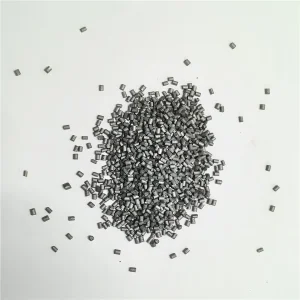
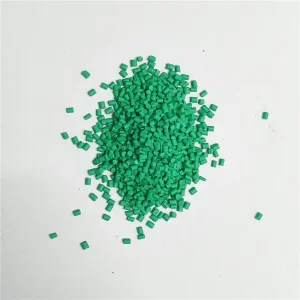
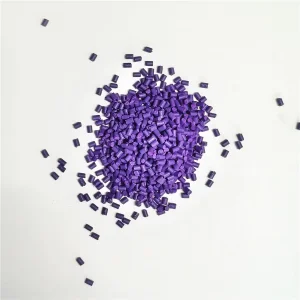
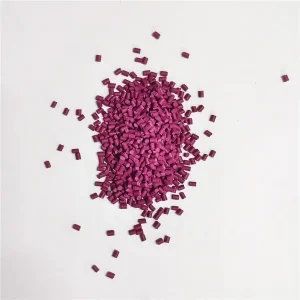
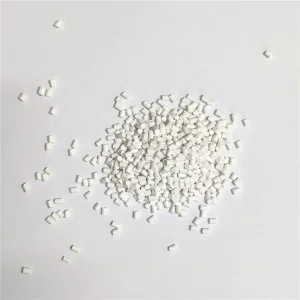
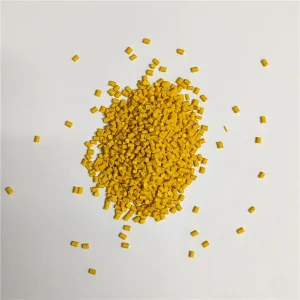
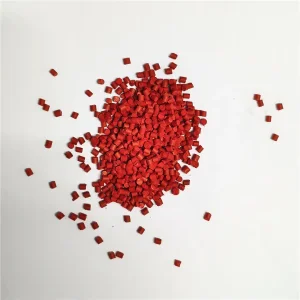
Engineered with high pigment loading, superior melt flow behavior, and 260°C thermal endurance for industrial plastic converters worldwide.
How advanced compounding chemistry and high-density carrier resins are transforming cost efficiency and aesthetic performance in thermoplastic processing.
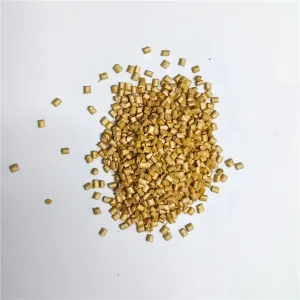
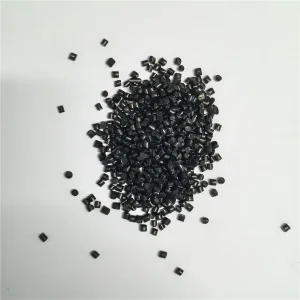
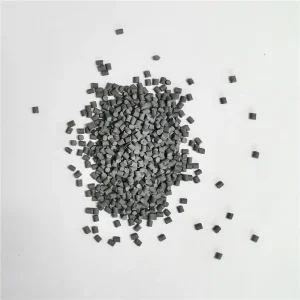
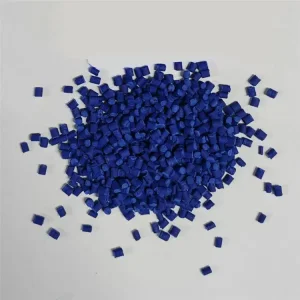
The global masterbatch market is experiencing a profound paradigm shift driven by stringent quality standards, environmental mandates, and the continuous push for lower manufacturing unit costs. Polyethylene (PE) Colouring Masterbatch—comprising high-density polyethylene (HDPE), low-density polyethylene (LDPE), and linear low-density polyethylene (LLDPE) carriers—has become the standard choice for coloring polyolefin polymers globally. Historically, plastic processors relied on direct pigment dry-blending, a method plagued by poor dispersion, dust contamination, high machine wear, and severe batch-to-batch color variance. Modern industrial compounding replaces these primitive techniques with micro-encapsulated, high-concentration masterbatch formulations engineered to disperse rapidly within virgin and recycled polymer matrices.
As industrial automation accelerates across blown film, injection molding, and continuous profile extrusion lines, masterbatch manufacturers face escalating performance requirements. A "cheap PE colouring masterbatch" is no longer defined merely by its per-kilogram invoice price; rather, modern B2B procurement managers evaluate the Total Cost of Ownership (TCO). True cost efficiency stems from high pigment loading efficiency, minimal let-down ratios (LDR), reduced machine downtime, and zero filter clogging during high-speed production cycles.
Deconstructing the technical metrics that procurement directors and process engineers use to evaluate PE masterbatch factories and suppliers.
A masterbatch carrier must precisely match or exhibit higher Melt Flow Index (MFI) than the substrate resin. Using low-grade recycled carriers leads to phase separation, die build-up, and mechanical weakness in blown films and injection-molded products.
High quality standard requires low FPV (tested per EN 13900-5). Un-dispersed pigment agglomerates clog melt pumps and extruder screens, resulting in frequent screen pack changes, film tearing, and costly production downtime.
Industrial applications demand zero pigment migration into contact media, alongside thermal resistance exceeding 260°C. This prevents color fading, streaking, or chemical leaching during high-temperature injection molding cycles.
When searching for "Cheap PE Colouring Masterbatch Suppliers", many purchasers fall into the trap of ordering low-concentration masterbatches priced at $1.20/kg requiring a 4% LDR. In contrast, an optimized, high-concentration masterbatch priced at $1.80/kg operating effectively at a 1.5% LDR delivers a 25% lower total raw material cost per finished ton of plastic, while simultaneously improving polymer structural integrity and optical opacity.
A deep dive into twin-screw compounding mechanics, surface chemistry modifications, and pigment encapsulation technology.
High L/D ratio extruders equipped with specialized kneading blocks deliver intense shear forces, breaking down organic and inorganic pigment agglomerates to sub-micron dimensions for maximum color strength.
Integrating low-molecular-weight polyethylene waxes and specialized coupling agents lowers melt viscosity, reduces surface tension, and guarantees complete pigment wetting across polyolefin substrates.
Formulated with Hindered Amine Light Stabilizers (HALS) and UV absorbers, our masterbatches achieve Lightfastness Ratings of 7-8 on the Blue Wool Scale, ensuring long-term outdoor stability without yellowing or chalking.
| Parameter | Industrial Standard Range | Jiazhou Optimized PE Masterbatch | B2B Production Benefit |
|---|---|---|---|
| Pigment Loading (%) | 20% - 40% | 45% - 75% | Lower usage rate; substantial freight & storage savings. |
| Heat Stability (°C) | 200°C - 220°C | 260°C - 300°C | Eliminates thermal degradation during fast cycle times. |
| Filter Pressure (bar/g) | > 2.5 bar/g | < 0.8 bar/g | Prevents screen pack clogging during ultra-thin film blowing. |
| Color Variance (ΔE) | ΔE < 1.5 | ΔE < 0.3 - 0.5 | Guarantees exact batch-to-batch color matching globally. |
Resolving specific processing challenges across packaging, agricultural, consumer goods, and infrastructure sectors.
Extrusion of agricultural greenhouse films, shopping bags, and courier packaging requires flawless melt homogenization. Our LLDPE-based masterbatches eliminate bubble instability, pinholes, and surface haze while providing uniform opacity down to 10-micron film gauges.
Complex molded components—such as caps, closures, containers, and housewares—demand zero dimensional warping or differential shrinkage. Our non-nucleating pigment formulations maintain isometric mold shrinkage while delivering intense surface gloss.
HDPE water pipes and industrial conduit extrusions require long-term environmental protection. Our black and colored masterbatches offer superior carbon black dispersion (< Category 2 per ISO 18553) for decades of UV resistance and chemical stability.
Meeting international food contact, environmental safety, and chemical safety mandates for seamless export across 100+ nations.
Navigating global regulatory landscapes requires complete transparency and certified safety protocols. As an established B2B masterbatch manufacturer operating a 6,000m² standardized plant with 16+ years of specialized compounding history, Changzhou Jiazhou Plastic Products Co., Ltd. enforces strict raw material screening and quality control workflows compliant with ISO 9001 quality management systems.
Formulated strictly without SVHC (Substances of Very High Concern), heavy metals (lead, cadmium, mercury, hexavalent chromium), or polybrominated biphenyls, complying fully with EU Directives 2011/65/EU and Regulation EC 1907/2006.
Select colorant formulations comply with US FDA 21 CFR 177.1520 regulations for direct food packaging, cosmetic containers, and beverage closure applications without risk of chemical migration or odor transfer.
Every production batch undergoes computerized color matching using X-Rite spectrophotometers under multiple illuminants (D65, F11, A) to ensure strict adherence to target CIELAB color space coordinates.
Pioneering eco-friendly colorant technologies for post-consumer recycled (PCR) plastics and circular economy integration.
The plastic industry is rapidly evolving toward a circular economy model. Conventional carbon black masterbatches reflect virtually no Near-Infrared (NIR) radiation, rendering black plastic waste invisible to automated optical sorting machines at recycling facilities. In response, modern material engineering has introduced NIR-Detectable Black and Dark Colour Masterbatches that enable automated sorting of PE containers into correct recycling streams.
Furthermore, compounding colorants into Post-Consumer Recycled (PCR) and Post-Industrial Recycled (PIR) resins presents challenges due to existing polymer degradation, variable yellowing indices, and residual contaminants. Specialized PE color masterbatches incorporate reactive chain extenders, odor absorbers, and optical brighteners, enabling processors to incorporate up to 80% PCR resin while retaining original aesthetic and mechanical characteristics.
Expert technical answers addressing common procurement, compounding, and processing queries.
The MFI of the masterbatch carrier resin should ideally be equal to or slightly higher than that of your base processing resin. For blown film applications using LLDPE/LDPE with an MFI of 1.0–2.0 g/10min, a carrier MFI of 4.0–10.0 g/10min ensures rapid, uniform dispersion across the melt stream without causing film sagging or gauge thickness variation.
Color streaking occurs when pigment agglomerates fail to disperse due to poor carrier compatibility, inadequate screw backpressure, or low-shear masterbatch compounding. Our high-concentration PE masterbatches utilize ultra-fine micronized pigments treated with specialized wetting waxes, guaranteeing zero streaking even under fast injection molding cycles and low backpressure settings.
Purchasing direct from ISO-certified manufacturers like Changzhou Jiazhou Plastic Products eliminates middleman markups while granting access to high-pigment-density formulations. By achieving higher tinting strength at lower let-down ratios (e.g., 1%–2% instead of 3%–4%), international buyers significantly decrease raw material consumption, ocean freight charges, and unit production costs.
Yes. We offer precise custom color matching against physical samples, Pantone codes, or RAL color references within 3–5 working days. Spectrophotometric lab reports (ΔE < 0.5) and small trial batches are provided to verify flow behavior, opacity, and mechanical properties on your specific production lines prior to full-scale container orders.
Factory-direct supply of white, black, metallic, and vibrant color masterbatches engineered for maximum processing reliability.