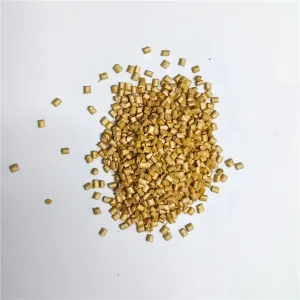
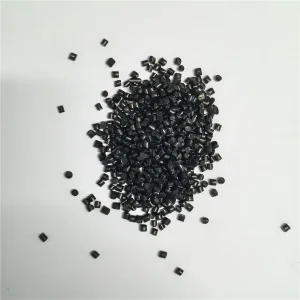
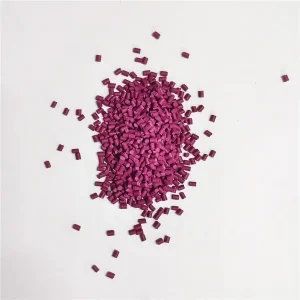
Engineered for extreme climate durability, blown film extrusion, injection molding, and industrial polyolefin applications.
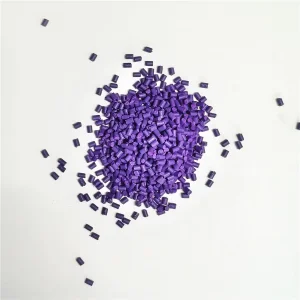
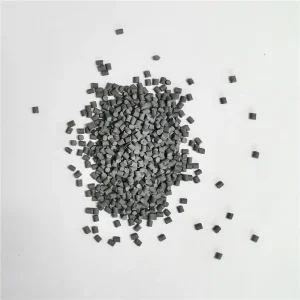
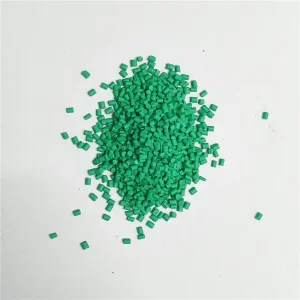
Understanding macro demand, polymer glass transition dynamics, and sub-zero failure prevention in modern polyolefin processing.
In modern industrial polymer processing, standard Polyethylene (PE)—including High-Density Polyethylene (HDPE), Linear Low-Density Polyethylene (LLDPE), and Low-Density Polyethylene (LDPE)—exhibits physical degradation when exposed to sub-freezing climatic conditions. As temperatures drop below 0°C toward -40°C or -50°C, polyolefin matrices undergo a transition toward mechanical brittleness. This phenomenon is tied directly to the Polymer Glass Transition Temperature ($T_g$) and micro-crystalline phase arrangement. When subjected to impact, flexing, or pressure loads at polar ambient temperatures, untreated PE structures develop micro-voids, rapid crack propagation, and catastrophic ductile-to-brittle failure.
As leading **China Cold Resistant PE Masterbatch Suppliers & Manufacturers**, Changzhou Jiazhou Plastic Products Co., Ltd. addresses this material bottleneck through advanced additive masterbatch formulations. By incorporating specialized polyolefin elastomers (POE), metallocene-catalyzed resins, functionalized phase-compatibilizers, and nanoscale impact modifiers, cold-resistant PE masterbatches alter the glass transition envelope. They inhibit crack initiation while delivering brilliant, non-migratory pigment dispersion across extrusion, blown film, and injection molding lines.
Unmodified HDPE typically loses up to 75% of its Charpy notch impact strength when temperature drops from +23°C to -30°C. By introducing Jiazhou’s high-concentration cold-resistant PE masterbatch at a 2%–5% let-down ratio, impact energy dissipation is preserved via elastomer domain dispersion, maintaining toughness even at -45°C under ASTM D746 testing protocols.
Heavy-duty transport pallets, cold-chain storage totes, and frozen food distribution containers requiring high drop-impact resilience under prolonged -30°C to -50°C exposure.
Co-extruded blown films engineered for IQF (Individually Quick Frozen) food packaging, deep-freeze vacuum bags, and agricultural silage wrap operating in high-latitude winter zones.
High-density polyethylene pipes, mining lining membranes, and municipal water conduit infrastructure built to withstand severe permafrost stress and thermal shock cycles.
The convergence of circular economy initiatives, ultra-low temperature requirements, and high-purity masterbatch compounding.
As global sustainability mandates drive the adoption of Post-Consumer Recycled (PCR) plastics, recycled PE often suffers from degraded molecular weight distribution and thermal history embrittlement. Incorporating specialized cold-resistant masterbatch restores impact ductility in recycled PE streams, bridging the gap between circularity and industrial performance.
Modern manufacturing shifts away from traditional LDPE carrier resins toward metallocene-catalyzed Linear Low-Density Polyethylene (mLLDPE). This provides narrow molecular weight distribution, superior compatibility with base polyolefins, and zero pigment agglomeration during high-speed film extrusion.
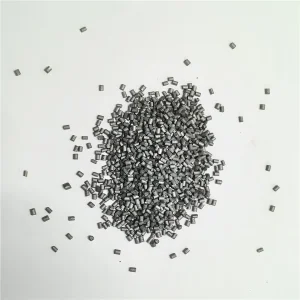
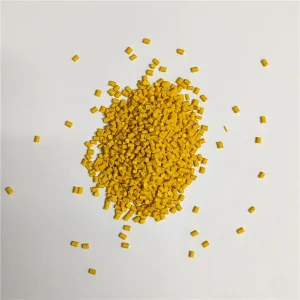
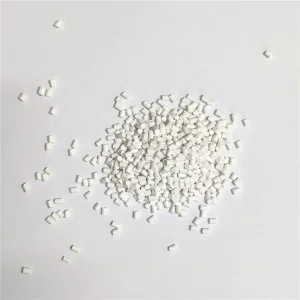
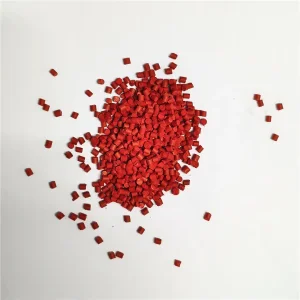
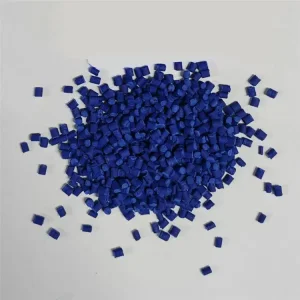
Industrial buyers no longer accept single-purpose masterbatch. The market demands multifunctionality: simultaneous sub-zero impact resistance, intense lightfast color loading (Blue, Red, Yellow, Green, Silver, Black, White), UV stabilization, and high thermal resistance up to 260°C.
| Performance Parameter | Standard PE Base Resin | Conventional PE Masterbatch | Jiazhou Cold-Resistant PE Masterbatch |
|---|---|---|---|
| Brittleness Temperature (ASTM D746) | -15°C to -20°C | -18°C to -22°C | -45°C to -55°C |
| Charpy Notched Impact at -40°C (kJ/m²) | 3.2 kJ/m² | 3.5 kJ/m² | 14.8 kJ/m² (420% Increase) |
| Elongation at Break (-30°C) | 45% | 50% | 320% |
| Thermal Heat Stability | 200°C | 220°C | 260°C |
| Pigment Dispersion Grade (ISO 18553) | N/A | Grade 3 | Grade 1 (Ultra-Fine Dispersion) |
How advanced materials science is shaping the next decade of polar-grade polyolefin masterbatches.
The roadmap for high-performance cold-resistant PE masterbatch manufacturing relies on molecular structural design. Over the next five years, key technological milestones include:
Integrating core-shell rubber nanoparticles into the masterbatch matrix creates sub-micron energy-absorbing domains that prevent crazing and structural shear failure even under liquid nitrogen temperatures (-100°C concept laboratory testing).
Utilizing spectrophotometric artificial intelligence models to predict pigment interaction with elastomer modifiers, ensuring target Delta E (<0.5) color compliance without disturbing Melt Flow Index (MFI) characteristics.
Synthesizing renewable monomer carriers derived from plant-based feedstocks to deliver zero-carbon cold-resistant masterbatches for sustainable global supply chains.
Proven field results across challenging industrial environments worldwide.
Challenge: A European logistics container manufacturer experienced high crate breakage rates (over 8.4%) during automated forklift loading in sub-zero warehouse conditions (-28°C) using standard HDPE compounds.
Solution: Changzhou Jiazhou formulated a high-concentration cold-resistant Blue PE Masterbatch with embedded polyolefin elastomer (POE) flexibilizers. Added at a 4% dosage level, the masterbatch created a micro-dispersed rubber phase inside the HDPE matrix.
Result: Crate drop-test breakage at -30°C fell to 0.1%, while maintaining high structural load rigidity and vivid, weather-fast blue color recognition across automated logistics sorting lines.
Challenge: A North American mining site required 1.5mm thick LLDPE geomembrane liners capable of surviving extreme Siberian-type winter conditions (-45°C) without suffering thermal shock cracking under heavy soil pressure.
Solution: Implementation of Jiazhou’s Custom High-Concentration Black & Grey PE Masterbatch equipped with low-temperature impact stabilizers and carbon black micro-particles.
Result: The geomembranes passed 10,000-hour environmental stress crack resistance (ESCR) testing (ASTM D1693) and exhibited zero cracking during winter installation at -40°C.
Inside our 6,000m² state-of-the-art compounding facility in Jiangsu, China.
High L/D ratio twin-screw compounding extruders equipped with underwater pelletizing systems ensure uniform particle size, low heat history, and zero dust contamination.
Every production batch undergoes MFI melt index verification, DSC thermal analysis, two-roll mill dispersion testing, and Low-Temperature Impact testing before shipment.
Fully compliant with REACH, RoHS, FDA food-contact standards (select grades), and ISO 9001 quality certification for seamless international trade.
Expert answers regarding Cold-Resistant PE Masterbatch procurement, dosage, and processing.
The standard recommended let-down ratio ranges between 2% and 5% by weight, depending on the wall thickness of the finished article, the base resin's MFI, and the target service temperature (-20°C vs -50°C). For thin blown films, a 2%–3% dosage is often optimal, whereas heavy-duty injection molded crates benefit from a 4%–5% addition rate.
Because cold-resistant additives contain elastomer domains (such as POE or mLLDPE), high-concentration dosages in ultra-clear LDPE films may introduce slight haze. However, Jiazhou utilizes nano-phase dispersion techniques that match the refractive index of the carrier matrix, minimizing clarity loss while maximizing low-temperature impact strength.
Yes. Polypropylene (PP) has a glass transition temperature near 0°C, making it even more susceptible to sub-zero embrittlement than PE. Jiazhou manufactures specialized PE/PP compatible cold-resistant masterbatches that act as phase-compatibilizers, significantly upgrading PP's low-temperature impact strength down to -30°C.
We utilize Datacolor spectrophotometers to maintain Delta E values below 0.5 compared to master retain samples. Every production batch is extruded on pilot lines and tested under automated colorimeter software before packaging and delivery.
High-concentration pigment masterbatches engineered for injection molding, blown film, and plastic extrusion factories.