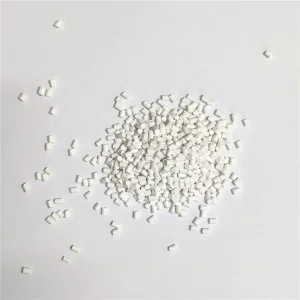
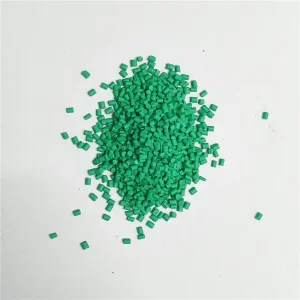
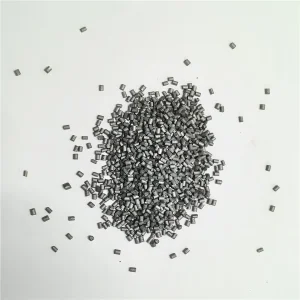
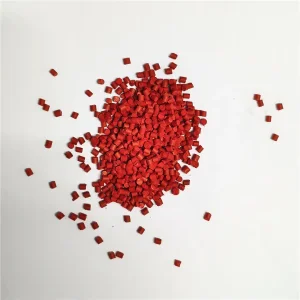
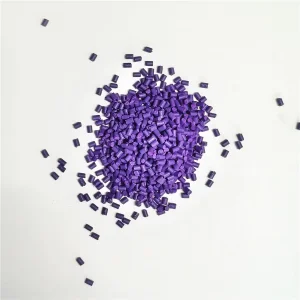
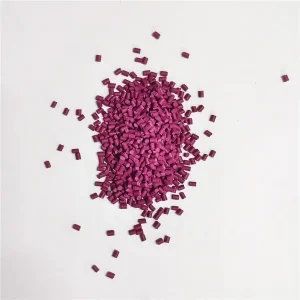
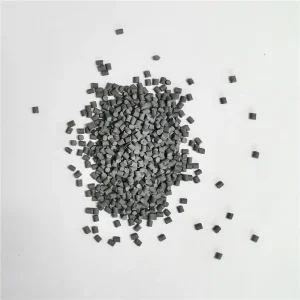
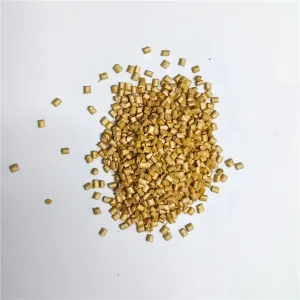
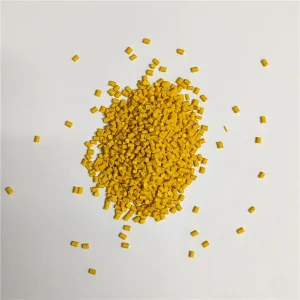
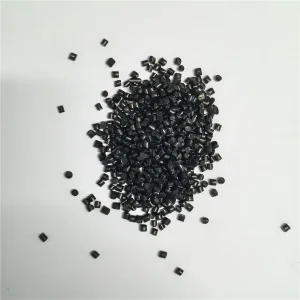
High-concentration, heat-resistant, and non-migrating masterbatches optimized for injection molding, blown film, and pipe extrusion.
The global polymer additives market has undergone a fundamental structural pivot. China has transitioned from a high-volume commodity producer into an epicenter of advanced polymer formulation, ultra-fine pigment dispersion, and smart filler masterbatch technology. Global procurement officers, plastic conversion engineers, and supply chain directors searching for China master batches factories & suppliers are no longer merely comparing FOB prices—they are evaluating Filter Pressure Values (FPV), Melt Flow Indexes (MFR), thermal degradation thresholds, and international regulatory compliance (REACH, RoHS, FDA, and EU 10/2011).
Modern plastic processing demands absolute color consistency across batch lots, zero streakiness in thin-gauge blown films, and unyielding mechanical integrity in injection-molded automotive or packaging components. Leading Chinese masterbatch manufacturers have deployed co-rotating twin-screw extruders with high L/D (length-to-diameter) ratios, gravimetric dosing systems, and underwater pelletizing units to deliver concentrates that seamlessly integrate into polyolefin (PE, PP), engineering plastic (ABS, PC, PA), and polyester (PET) matrixes.
Technical Insight: The efficiency of a masterbatch depends on the thermodynamic matching between the carrier resin and the matrix polymer. Elite Chinese factories utilize low-viscosity, high-homogeneity PE/PP carrier resins that melt slightly ahead of the host resin, ensuring instantaneous pigment dispersion without compromising tensile strength or impact performance.
Why technical buyers are establishing direct factory partnerships in Jiangsu and Zhejiang to eliminate color variation and unexpected production downtime.
Poorly dispersed pigment agglomerates cause filter clogging in blown film extruders, raising backpressure and forcing costly screen pack changes. Verified Chinese factories enforce strict FPV testing (EN 13900-5 standard) to ensure sub-micron pigment distribution.
For food-contact packaging, medical disposables, and children's toys, organic pigment migration or trace heavy metals present severe liability risks. Direct factory sourcing provides certified RoHS, REACH SVHC, and FDA compliance documentation for every lot.
Visual color mismatching between injection-molded parts and extruded profiles degrades brand equity. Partnering with ISO-certified laboratories equipped with Datacolor spectrophotometers guarantees color matching within ΔE < 0.5 under D65, A, and F11 light sources.
| Evaluation Parameter | Direct Chinese Masterbatch Factory (e.g., Jiazhou Plastic) | Third-Party Trading Intermediaries |
|---|---|---|
| Pigment Loading & Homogeneity | Custom gravimetric dosing up to 70% titanium dioxide or 50% carbon black loading; uniform shear control. | Standard off-the-shelf formulations; wide batch-to-batch concentration variances. |
| Thermal Stability Range | Formulated up to 260°C – 300°C with thermal stabilizers to prevent discoloration in high-temp molding. | Generic thermal ratings; risk of pigment gasification, odor formation, or yellowing. |
| Supply Chain Traceability | Full lot-number tracking from raw pigment batch to finished pellet shipment. | Fragmented sourcing across multiple secondary re-sellers without unified QA logs. |
| Cost Optimization Potential | Direct factory pricing; tailored carrier matching to reduce addition rates down to 1% - 3%. | Multiple layer markups; higher recommended let-down ratios increasing overall unit costs. |
From single-layer film extrusion to intricate medical component injection molding, custom formulation chemistry is the key to operational stability.
White masterbatch relies heavily on Titanium Dioxide (TiO2) quality. Premium Chinese factories utilize Rutile-grade TiO2 treated with inorganic alumina/silica surface coatings and organic silane coupling agents. This surface modification prevents TiO2 agglomeration during melt compounding, providing exceptional opacity, high whiteness index (WI > 90), and robust UV resistance for milk pouches, agricultural stretch film, and hygiene products.
Black masterbatch applications range from agricultural drip irrigation pipes to high-gloss automotive trim. China's top masterbatch suppliers formulate with high-surface-area furnace carbon black (small primary particle size of 15-25 nm), yielding deep jetness, high tinting strength, and effective UV protection against photo-oxidative degradation.
Beyond coloration, cost optimization remains paramount. Calcium Carbonate (CaCO3) filler masterbatches engineered with 2500–3000 mesh ultra-fine coated chalk allow converters to substitute virgin resin by up to 10%–40% without compromising tensile strength or heat deflection temperature (HDT). Meanwhile, specialized desiccant masterbatches eliminate moisture bubbles in recycled PE/PP feeds during extrusion.
Rigorous multi-stage laboratory testing ensures seamless customs clearance and flawless processing across European, North American, and Southeast Asian markets.
Strict screening for Substances of Very High Concern (SVHC). Chinese suppliers ensure pigments and additives comply with European Chemical Agency (ECHA) safety guidelines for eco-conscious consumer products.
Formulated using food-grade carrier resins and certified non-migrating organic dyes to guarantee zero toxic leaching in beverage caps, flexible food wraps, and food containers.
Standardized manufacturing protocols across raw material inspection, high-shear compounding, moisture testing, pellet sizing, and automated packaging to ensure lot-to-lot consistency.
How Chinese masterbatch manufacturers are engineering sustainable, smart, and functional masterbatch systems for the next decade of circular economy demands.
Designed specifically for Post-Consumer Recycled (PCR) plastic streams. These concentrates contain specialized chain extenders and compatibilizers that bridge MFR gaps and restore mechanical ductility in recycled PE/PP blends.
Masterbatches utilizing PLA, PBAT, or PHA carrier resins, enabling complete compostability in single-use agricultural films and shopping bags without leaving microplastic residues behind.
Traditional carbon black absorbs NIR radiation in automated recycling sorting centers, turning black plastic invisible to optical sensors. Advanced NIR-reflecting black masterbatches allow automatic optical sorting and circular recycling.
Explore our complete range of custom color concentrates engineered for extrusion and injection molding processors.
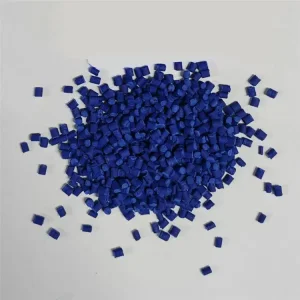
Answers to common technical queries regarding let-down ratios, carrier compatibility, custom color matching, and sample evaluation.
The typical LDR ranges between 1% and 4% depending on application thickness and target opacity. For thin blown films (under 20 microns), an LDR of 2%–3% is recommended. For heavy injection molding components, an LDR of 1%–2% yields vibrant, uniform coloring while optimizing unit costs.
Using a mismatched carrier (e.g., PS carrier in a PE matrix) can lead to delamination, severe embrittlement, and poor surface finish due to thermodynamic incompatibility. Best practices require using identical or highly compatible polyolefin carriers (e.g., LLDPE carrier for LDPE/HDPE blown films).
Equipped with automated spectrophotometers, custom color matching samples (chips or trial pellets) are formulated and dispatched within 3 to 5 business days upon receipt of target physical swatches or RAL/Pantone codes.
To prevent moisture absorption during maritime transit, masterbatches are sealed in heavy-duty 25kg moisture-proof aluminum-foil composite bags or PE valve sacks, palletized, and stretch-wrapped with edge protection.