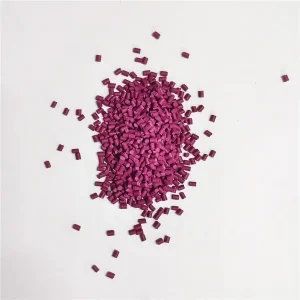
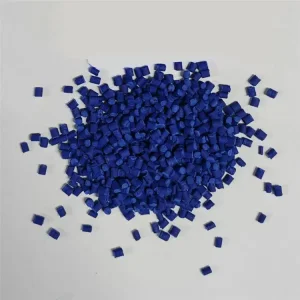
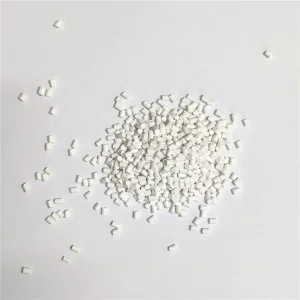
Engineered for Blown Film Extrusion, Injection Molding, and Industrial Pipe Systems. Tested for Heat Stability up to 260°C and Optimal Dispersion Index.
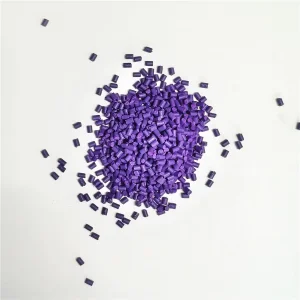
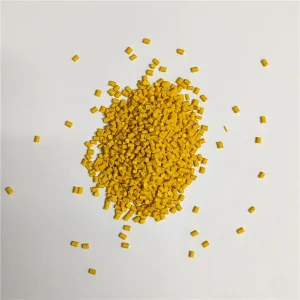
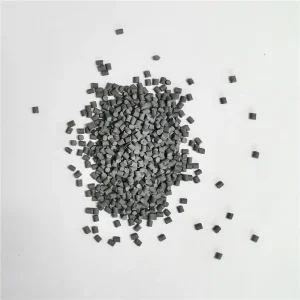
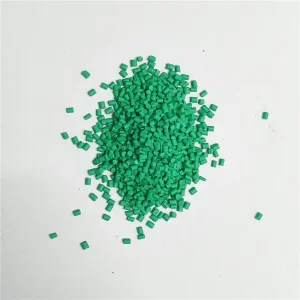
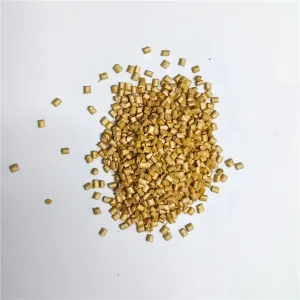
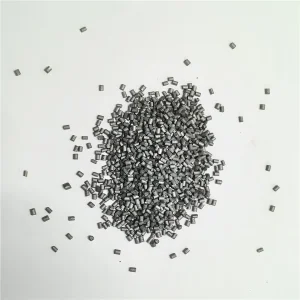
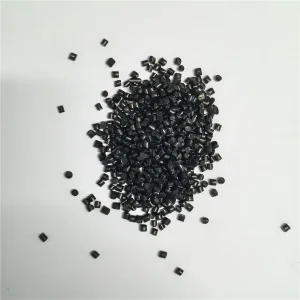
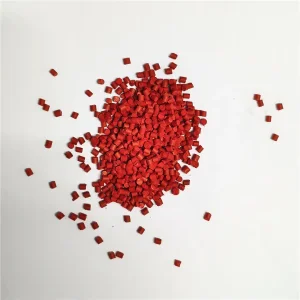
Navigating pigment dispersion chemistry, carrier resin compatibility, and sustainable additive integration in modern polyolefin compounding.
Historically, plastic converters relied on direct raw pigment powder mixing. This approach suffered from heavy ambient dust contamination, inconsistent chromatic opacity, severe screw abrasion, and unpredictable filter pressure value (FPV) spikes during extrusion processing.
The introduction of single-functional color concentrates mitigated dusting issues. However, limited pigment loading (20-30%) and basic carrier matching caused thermal degradation, color streaks, and poor interfacial adhesion in high-speed blown film lines.
Modern manufacturing demands customized high-concentration pigment loading (up to 70%), dual-functional additive integration (UV stabilization, anti-static, flame retardancy), melt flow index matching, and zero-migration compliance across global regulatory frameworks.
Understanding the interplay between carrier resins, shear rates, surface energy modifiers, and pigment micronization in high-speed extrusion machinery.
To achieve homogeneous color dispersion without degrading the mechanical properties of the end product, the carrier resin in the masterbatch must possess a slightly higher Melt Flow Index (MFI) than the virgin matrix polymer. For example, in Polyethylene (PE) blown film applications operating at an MFI of 1.0 to 2.0 g/10min (190°C/2.16kg), a specialized Low-Density Polyethylene (LDPE) or Linear Low-Density Polyethylene (LLDPE) carrier with an MFI of 4.0 to 20.0 g/10min is utilized. This differential ensures rapid polymer chain melting and uniform pigment transfer across high-shear screw profiles.
Pigment particles naturally aggregate into clusters ranging from 10 to 100 microns. Industrial compounding via co-rotating twin-screw extruders applies intense elongational and shear stresses to break down aggregates into sub-micron primary particles. Specialized dispersants—such as low-molecular-weight polyethylene waxes (PE wax) and zinc stearates—coat these newly exposed surfaces to prevent re-agglomeration during cooling and pelletization.
| Parameter Class | Testing Standard | Masterbatch Standard Value | Industrial Application Impact |
|---|---|---|---|
| Carrier Compatibility | ASTM D1238 / ISO 1133 | PE, PP, PS, ABS, PET, Universal PE/PP Carrier | Prevents phase separation, delamination, and embrittlement |
| Heat Fastness / Thermal Stability | DIN EN 12877-2 | 220°C to 300°C (Application Dependent) | Prevents thermal color shifting in high-temp injection molding |
| Light Fastness (Blue Wool Scale) | ISO 105-B02 | Grade 6 to Grade 8 (Maximum Weathering) | Guarantees long-term outdoor UV anti-fading performance |
| Pigment Dispersion Quality | EN 13900-5 (FPV Test) | < 0.5 - 1.2 bar/g (Mesh size 14 µm) | Eliminates pinholes, streaks, and film blow-outs |
| Moisture Content | ASTM E203 (Karl Fischer) | < 0.15% max by weight | Prevents silver streaks, surface blisters, and hydrolysis |
How high-concentration color and filler masterbatch selection directly influences unit economics, energy consumption, and scrap rate reduction.
By increasing pigment load to 50-70% via high-torque continuous twin-screw extrusion, converters can reduce masterbatch dosing from standard 4-5% down to 1-2%. This directly cuts freight costs, inventory holding footprint, and packaging waste.
Optimized masterbatch formulations act as processing aids, lowering melt viscosity and reducing motor torque demand. This results in up to 15% reduction in specific energy consumption (kWh/kg) while accelerating linear line speeds.
High-dispersion masterbatch eliminates un-melted gel particles, pigment specks, and bubble instability. Converters experience drastically reduced machine downtime for screen pack changes and lower scrap rates during product changeovers.
Integrating Gravimetric Loss-in-Weight Dosing, Continuous Automation, and Advanced Quality Management Systems in Changzhou, China.
Traditional volumetric feeding systems introduce color variations due to bulk density fluctuations in raw pigments. Modern Industry 4.0 compounding facilities utilize gravimetric loss-in-weight feeders linked directly to PLC control loops. This guarantees feeder precision within ±0.2% variance across multi-ton production runs, eliminating color shade drift between production batches.
Situated within China's premier petrochemical manufacturing corridor (Jiangsu Province), our production infrastructure maintains strategic partnerships with tier-one titanium dioxide (TiO₂), carbon black, and synthetic resin producers. This proximity ensures uninterrupted raw material supply, rapid custom color-matching lead times (24-48 hours), and competitive global shipping schedules.
Deploying targeted carrier systems, anti-fade additive chemistry, and thermal stabilizers across diverse plastic converting sectors.
Requires ultra-high pigment dispersion, zero pinhole formation, and long-term UV protection (HALS Hindered Amine Light Stabilizers). Essential for mulch films, greenhouse covers, industrial shopping bags, and courier bags requiring high opacity and puncture resistance.
Designed for rapid cycle times, minimal mold deposit (plate-out), and zero thermal degradation at processing temperatures up to 260°C-280°C. Widely applied in automotive interior components, home appliances, electrical enclosures, and daily consumer goods.
Specially formulated PE Black Masterbatch (utilizing P-type and P-E type fine particle carbon black) providing severe outdoor weathering protection, resistance to stress cracking, and carbon black dispersion ratings compliant with ISO 18553 standards for HDPE pressure pipes.
Direct technical answers addressing carrier compatibility, color shade matching, heat resistance, and global regulatory compliance.
Select your required color series or submit custom formulation requirements to our technical engineering team.