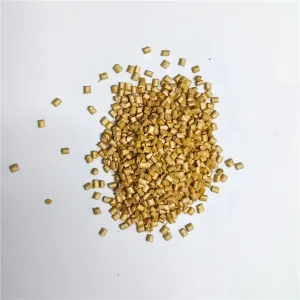
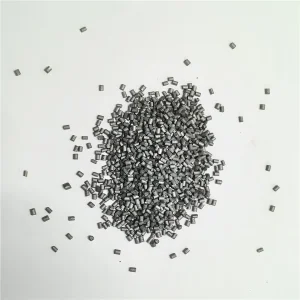
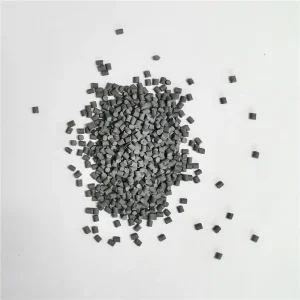
Premium carrier-matched Polyethylene masterbatches engineered for maximum pigment dispersion, anti-aging performance, and extreme melt-processability.
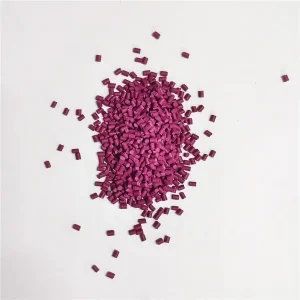
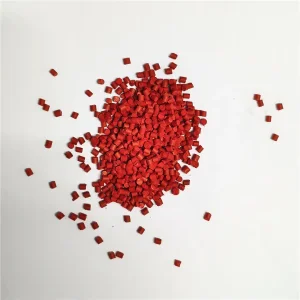
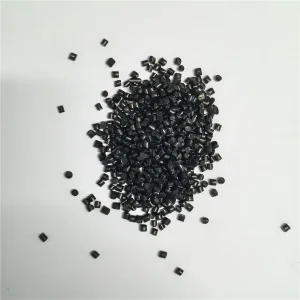
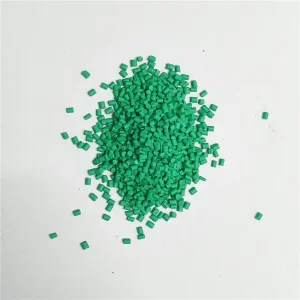
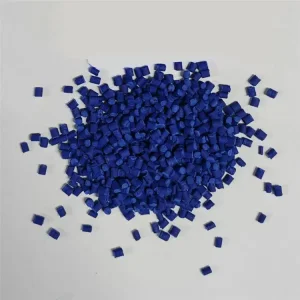
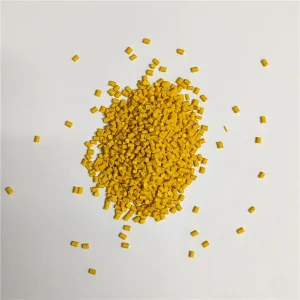
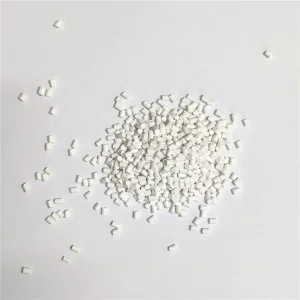
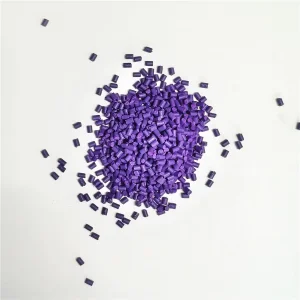
Modern commercial agriculture relies intensely on high-performance plastic films to maximize crop yields, conserve water resources, optimize soil thermal environments, and extend crop growing seasons. As a premier China PE agricultural film masterbatch manufacturer, Changzhou Jiazhou Plastic Products Co., Ltd. delivers high-value technical formulations designed specifically for the extreme physical and optical demands of blown polyethylene (LDPE, LLDPE, HDPE, and EVA) films.
Polyethylene agricultural films—ranging from ultra-thin black/silver weed-repelling mulch films (8 to 25 microns) to heavy-duty multi-year greenhouse covers (100 to 200+ microns)—face continuous exposure to solar ultraviolet radiation, thermal oxidation, agrochemical pesticide residues, and mechanical stretching forces. Standard color masterbatches or low-purity fillers fail prematurely under these harsh conditions, resulting in film embrittlement, pigment migration, bubble rupture during blown-film extrusion, and catastrophic crop losses for farm operators.
Our engineering matrix integrates ultra-fine nano-dispersed Carbon Black (P-type with particle sizes < 20 nm), high-opacity Rutile Titanium Dioxide (TiO₂), Hindered Amine Light Stabilizers (HALS), Nickel Quenchers, and surface-modified micro-calcium carbonate (CaCO₃). By precisely matching the melt flow index (MFI) of the masterbatch carrier resin with the primary film resin, we eliminate phase separation, micro-gels, and die build-up, ensuring smooth, high-speed extrusions across 3-layer, 5-layer, and 7-layer co-extrusion blown film lines.
Extrusion stability in ultra-thin agricultural film production (e.g., 10-micron mulch film) requires that the masterbatch carrier resin possesses a melt index slightly higher than or equal to the virgin resin matrix. Utilizing low-grade universal carriers causes melt fracture, pinholes, and reduced dart-impact strength. Our PE agricultural masterbatches strictly utilize virgin LLDPE/LDPE carriers with optimized MFI (20 to 30 g/10min) for zero-defect dispersion.
Rigorous quantitative parameters for agricultural greenhouse films, mulch films, and industrial polyolefin blow-molding applications.
| Masterbatch Grade Code | Carrier Base Resin | Active Pigment / Additive Loading | Melt Flow Index (MFI 190°C/2.16kg) | Heat Stability (°C) | Filter Pressure Value (FPV) | Primary Target Application |
|---|---|---|---|---|---|---|
| AGRI-BLACK-50P | LLDPE (Virgin grade) | 50% Premium P-Type Carbon Black (< 18nm) | 15.0 - 25.0 g/10min | 280 °C | < 0.8 bar/g | Black Weed-Control Mulch |
| AGRI-UV-HALS70 | LDPE / LLDPE | 20% HALS (NOR-type) + 10% AO Synergist | 18.0 - 28.0 g/10min | 260 °C | < 1.0 bar/g | 3-5 Year Greenhouse Film |
| AGRI-SILVER-30M | LLDPE / EVA | 35% Coated Aluminium Nanoplatelets | 12.0 - 20.0 g/10min | 250 °C | < 1.2 bar/g | Reflective Pest-Repellent Mulch |
| AGRI-WHITE-70R | LLDPE Matrix | 70% Rutile TiO₂ (R902 Surface Treated) | 8.0 - 16.0 g/10min | 280 °C | < 0.6 bar/g | Silage Stretch & Co-Ex Film |
| AGRI-FILL-80C | LLDPE / Nano-CaCO₃ | 80% Surface-Coated Ultra-fine CaCO₃ (1.2μm) | 20.0 - 35.0 g/10min | 260 °C | < 1.1 bar/g | Cost-Reduction Blown Film |
| AGRI-FOG-ANTI20 | PE / Ethylene Copolymer | 25% Anti-Drip & Anti-Fog Surfactants | 15.0 - 22.0 g/10min | 240 °C | < 1.0 bar/g | High-Clarity Greenhouse Film |
Utilizes specialty furnace black with high surface area and narrow particle size distribution, granting total light opacity (> 99.9%) at 10-micron film thickness.
Incorporates advanced Hindered Amine Light Stabilizers resistant to sulfur and chlorine pesticide degradation, preventing premature film cracking.
Specialized mineral additives block far-infrared thermal radiation during nighttime, maintaining soil and ambient greenhouse temperatures to prevent crop frost.
Engineered for smooth melt flow. Low FPV (< 1.0 bar/g) eliminates screen pack clogging, allowing continuous multi-day production runs without extruder shutdown.
As the epicenter of global polymer processing and masterbatch production, China provides unprecedented manufacturing efficiencies, raw material integration, and technical innovation. Located in Changzhou, Jiangsu Province—one of China’s leading industrial chemical hubs—Changzhou Jiazhou Plastic Products Co., Ltd. operates a modern 6,000 square meter factory equipped with high-torque twin-screw compounding lines, automated gravimetric loss-in-weight feeders, and state-of-the-art optical dispersion analyzers.
Global film convertors, agricultural plastic importers, and commercial growers face aggressive price competition and stringent quality mandates. Sourcing directly from an established China PE agricultural film masterbatch manufacturer offers multi-tiered strategic benefits:
Direct supply-chain integration with top-tier resin producers (Sinopec, Sabic, PetroChina) guarantees steady access to prime LLDPE/LDPE carrier resins with consistent density and MFI tolerances.
Our spectrophotometer-guided QC lab formulates custom spectral-selective shades (e.g., photo-selective red, UV-blocking yellow, anti-insect blue, high-opacity black/silver) within ΔE < 0.5 tolerances.
Advanced surface-treatment technology for inorganic pigments (TiO₂, Carbon Black, CaCO₃) permits ultra-high pigment loading (up to 70-80%), dramatically reducing let-down ratio (LDR) costs for end users.
Furthermore, our strict ISO 9001 quality management framework ensures batch-to-batch consistency. Every production lot undergoes rigorous melt index testing, moisture analysis (< 0.05%), ash content verification, and filter pressure testing before release to container shipping ports in Shanghai and Ningbo.
Tailored masterbatch formulations solving regional climate challenges, soil degradation, pest vectors, and crop thermal requirements.
Geographic Application: Middle East, North Africa, South Europe, Australia, West USA.
Engineering Challenge: Intense solar radiation (> 180 Kly/year) causes rapid photo-degradation of standard PE mulch film within weeks, leading to soil moisture loss and weed bloom.
Masterbatch Solution: Co-extruded Black/Silver Masterbatch incorporating 50% P-Type Carbon Black for the soil-facing layer (blocking 100% PAR light to kill weeds) and 35% Coated Aluminium/Rutile White for the sun-facing layer (reflecting 80% solar heat to keep root zones cool while repelling aphids and thrips).
Geographic Application: North America, Northern Europe, East Asia commercial horticulture.
Engineering Challenge: High chemical pesticide exposure (sulfur burning, chlorine spraying) degrades standard HALS UV stabilizers, turning films brittle and opaque.
Masterbatch Solution: Multi-functional Greenhouse Masterbatch combining NOR-type pesticide-resistant HALS with non-migrating anti-fog/anti-drip additives and light-diffusing mineral agents. Extends multi-layer film lifespan to 3-5 years while distributing sunlight evenly to prevent crop scorching.
Geographic Application: Global livestock farming & silage preservation hubs.
Engineering Challenge: Silage films require extreme puncture resistance, high tack retention, UV shielding, and oxygen barrier integrity under continuous outdoor exposure.
Masterbatch Solution: High-Opacity White & Green Silage Film Masterbatch based on 70% Rutile Titanium Dioxide with added polyisobutylene (PIB) tackifier carriers. Prevents anaerobic forage decay by shielding bales from sunlight and air ingress.
For B2B procurement managers, technical directors, and plastic film factory owners, evaluating a prospective China PE agricultural film masterbatch manufacturer requires a rigorous technical auditing process. Choosing an unverified supplier can result in costly extruder shutdowns, blown film bubble instability, thickness variations, and mass field recalls.
We recommend evaluating masterbatch suppliers against five critical technical benchmarks:
High moisture levels in masterbatch pellets generate steam bubbles, fish-eyes, and pinholes during film extrusion. Our automated vacuum-drying packaging locks moisture below 500 ppm.
Filter Pressure Value testing (EN 13900-5) measures melt pressure buildup across a fine mesh screen pack. Our masterbatches maintain FPV < 1.0 bar/g, proving agglomerate-free dispersion.
Organic pigments must possess non-bleeding, non-migrating chemistry (Grey Scale rating 5) so that colors do not transfer onto greenhouse frames or crop leaves.
Agricultural masterbatches must comply with global environmental safety codes. Our masterbatches are certified free of lead, cadmium, hexavalent chromium, and polybrominated biphenyls (RoHS/REACH).
Exploring next-generation technologies in biodegradable carriers, smart light-shifting pigments, and eco-friendly nano-fillers.
As environmental regulations ban traditional single-use PE mulch films in agricultural regions, demand for fully compostable mulch films made of PBAT, PLA, and starch blends is accelerating. Changzhou Jiazhou is at the forefront of developing bio-based carrier masterbatches that achieve complete soil biodegradation without releasing toxic microplastic residues.
Advanced greenhouse films are transitioning from passive light barriers to active photosynthetic optimizers. Smart light-converting masterbatches convert unused green UV/blue wavelengths into red and far-red spectrums, increasing photosynthetic activity (PAR) and accelerating crop maturation cycles by up to 15-20%.
Modern 3-layer and 5-layer co-extrusion blown film lines allow targeted additive placement. By placing UV stabilizers exclusively in the outer sun-facing layer (A) and anti-fog surfactants in the inner crop-facing layer (C), film extruders achieve superior functionality while reducing masterbatch consumption by up to 30%.
Expert answers from our senior polymer engineers on let-down ratios, UV lifespan calculations, extruder temperature profiles, and carrier compatibility.
Explore our full line of weather-resistant pigment masterbatches for plastic film extrusion, injection molding, and blow molding.