Engineering-grade pigment dispersion, thermal stability up to 260°C, and REACH/FDA regulatory compliance for high-throughput polyolefin film extrusion and injection molding.
Explore our premium grade, high-concentration polyolefin color concentrates engineered for flawless dispersion.
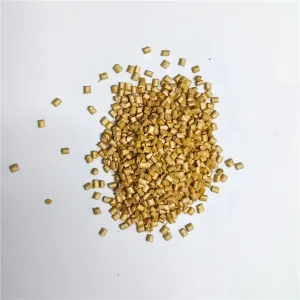
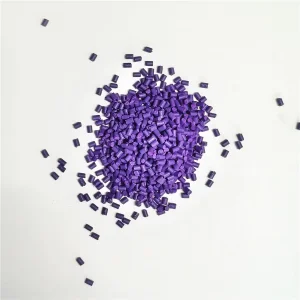
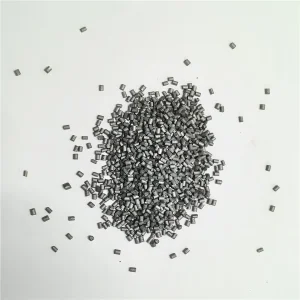
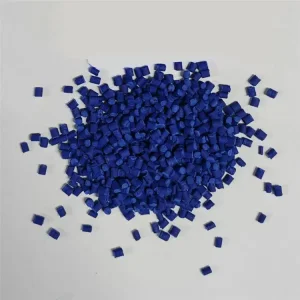
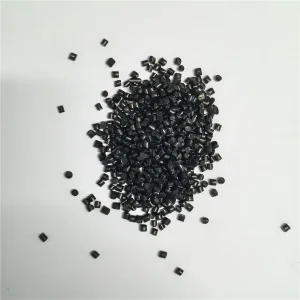
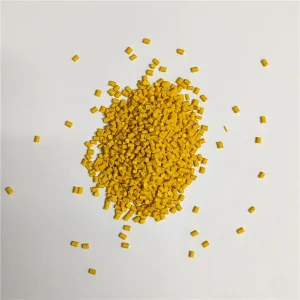
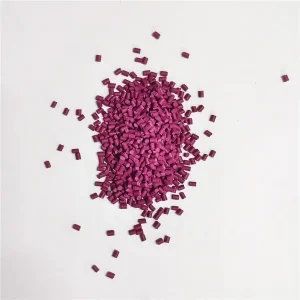
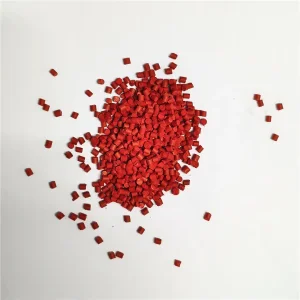
The global plastics conversion market is experiencing unprecedented demand for high-speed automated processing, stringent chemical compliance, and lower carbon footprints. As polyolefin processors scale production speeds in blown film, injection molding, and profile extrusion, traditional dry pigment coloring methods have revealed severe operational vulnerabilities—including severe dusting, uneven dispersion, filter clogging, and inconsistent color matching between batches.
Leading plastic converters turn to China PE Carrier Color Masterbatch Manufacturers for industrial-grade compounding solutions. Polyethylene (PE) serves as the primary matrix carrier due to its exceptional chemical inertness, high ductility, and superior compatibility with broad spectrum polyolefins (LDPE, LLDPE, HDPE, and PP).
Melt Flow Index (MFI) synchronization between the PE carrier resin and the matrix polymer eliminates melt fracture, skinning, and phase separation during high-shear processing.
Co-rotating twin-screw compounding breaks down primary pigment agglomerates below 2 microns, preventing pinholes in ultra-thin blown packaging films.
Formulations enriched with hindered amine light stabilizers (HALS) and thermal antioxidants withstand processing temperatures up to 260°C without color degradation.
The performance of color masterbatch hinges fundamentally on the chemistry of the polymer carrier. Polyethylene (PE)—specifically Low-Density Polyethylene (LDPE) and Linear Low-Density Polyethylene (LLDPE)—possesses ideal molecular weight distributions (MWD) that promote fast pigment wetting and zero degradation of host resins.
Achieving optical opacity and color brightness requires two distinct processing stages during masterbatch manufacturing:
| Masterbatch Grade | Primary Carrier Resin | Pigment Loading (%) | Melt Flow Index (g/10min) | Heat Resistance (°C) | Target Applications |
|---|---|---|---|---|---|
| High-Concentration Black | LLDPE / LDPE | 40% - 50% Carbon Black (N220/N330) | 12.0 - 25.0 | 260°C | Agricultural Mulch Film, Geomembranes, HDPE Pipes |
| Rutile White Concentrate | LDPE / LLDPE | 60% - 70% Titanium Dioxide (TiO₂) | 8.0 - 20.0 | 280°C | Milk Packaging Films, Lamination, Food Containers |
| Chromatic Color Series | PE / Universal Polyolefin | 25% - 40% Organic/Inorganic Pigments | 15.0 - 35.0 | 240°C - 260°C | Consumer Electronics, Toys, Blow-Molded Bottles |
| Specialty Metallic (Gold/Silver) | PE / LLDPE Carrier | 15% - 30% Metallic Flakes / Mica | 18.0 - 30.0 | 220°C - 240°C | Cosmetic Packaging, Premium Injection Molding |
The global masterbatch market is rapidly restructuring. Compounding facilities in Eastern China (particularly Changzhou, Jiangsu) have transformed into modern manufacturing centers leveraging automated dosing systems, continuous twin-screw extrusion, and spectrophotometric color testing.
Sourcing PE carrier color masterbatch directly from tier-1 Chinese manufacturers grants global buyers a competitive advantage. Direct factory sourcing cuts compounding overhead by 25–40% compared to Western regional blenders without sacrificing quality controls like ISO 9001 and ISO 14001 certification.
Furthermore, high concentration let-down ratios (LDR ranging from 1% to 4%) significantly lower international shipping volumes and freight costs per unit mass of colored plastic end-products.
Different plastic transformation processes impose unique thermal, mechanical, and rheological demands on masterbatch formulations. Customizing PE carrier properties for specific processing machinery guarantees optical uniformity without process downtime.
Used for flexible food packaging, agricultural film, and express courier bags. Requires ultra-fine particle dispersion to prevent film tearing and pinholes. Pressure Filter Value (FPV) testing guarantees smooth mesh passage at gauge thicknesses under 15 microns.
Applied in automotive components, home appliances, and rigid containers. High concentration PE color masterbatch eliminates flow lines and weld line visibility while maintaining isotropic mold shrinkage to prevent warpage.
For municipal water networks, corrugated conduits, and industrial sheets. Formulated with high-structure carbon black or weather-fast pigments providing long-term outdoor protection against UV degradation and micro-cracking.
Navigating global regulatory landscapes requires verified documentation and rigorous chemical testing. Trusted Chinese suppliers offer comprehensive regulatory documentation alongside rapid color matching services for multinational buyers.
Every formulation is tested and certified compliant with international health and safety mandates:
Using spectrophotometric analysis (CIELAB color space, D65/TL84/A illuminants), specialized R&D teams match custom Pantone, RAL, or customer-provided physical plastic chips within 48 hours, maintaining strict $\Delta E \le 0.5$ tolerance.
Custom packaging, moisture-proof vacuum aluminum lining, and flexible ocean/air freight logistics guarantee hassle-free international door-to-door delivery.
As the plastics compounding industry evolves toward environmental sustainability and smart manufacturing, technological innovation in PE masterbatch compounding focuses on three key areas:
Conventional carbon black absorbs NIR radiation, preventing automated sorting at Material Recovery Facilities (MRF). Next-generation PE black masterbatches utilize NIR-transparent organic dyes, allowing post-consumer plastic sorting and recycling.
Compounding high-concentration colorants into Post-Consumer Recycled (PCR) or Post-Industrial Recycled (PIR) Polyethylene carriers aligns with global circular economy goals without compromising melt stability.
Incorporating nano-scale pigments and smart reactive dispersing agents enables let-down ratios as low as 0.5%, significantly lowering transportation emissions while producing vibrant colors in sub-micron plastic films.
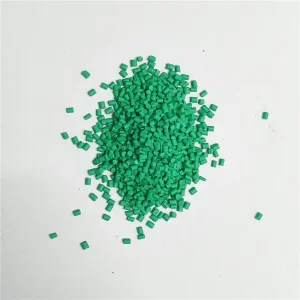
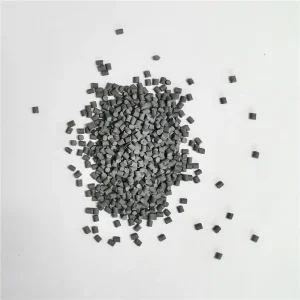
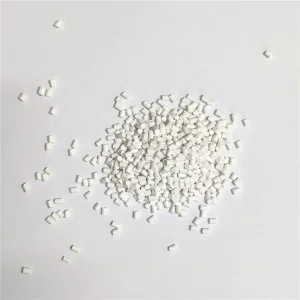
Select from our complete range of anti-fading, heat-resistant PE carrier color concentrates for global factory distribution.
Technical guidance and sourcing queries addressed by senior polymer compounding engineers.
Polyethylene (PE) possesses an optimal balance of low processing temperature, excellent flexibility, melt ductility, and broad chemical compatibility with all polyolefins (LDPE, LLDPE, HDPE, PP, and EVA). Its non-polar backbone prevents polymer degradation and phase separation during processing.
Recommended Let-Down Ratios typically range between 1% and 4% depending on product wall thickness and desired opacity. For ultra-thin blown films (15–20 microns), an LDR of 3%–4% guarantees full opacity. For thick-walled injection molded parts (>3mm), an LDR of 1%–2% is sufficient.
Pigment blooming occurs when organic pigments dissolve slightly into warm polymer melts and recrystallize on the surface. We prevent migration by selecting high-molecular-weight organic pigments with strong intermolecular hydrogen bonding and adding targeted surface-fixing dispersants.
When stored in a dry, cool environment below 35°C away from direct sunlight, PE carrier color masterbatches maintain a shelf life of 24 months. Pallets should remain sealed in their original moisture-proof PE/aluminum woven packaging until production.