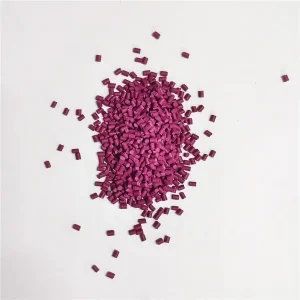
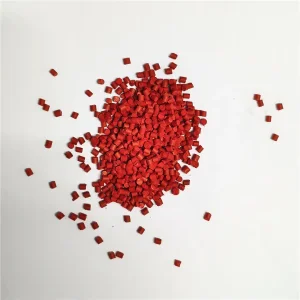
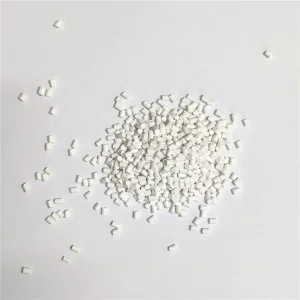
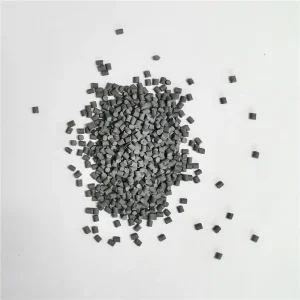
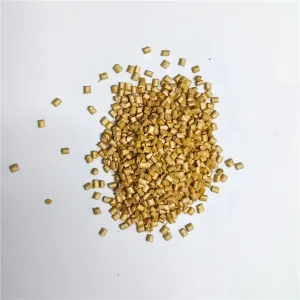
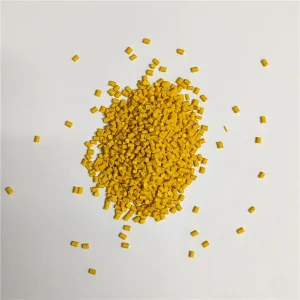
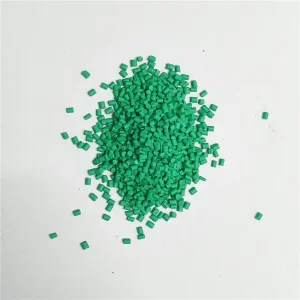
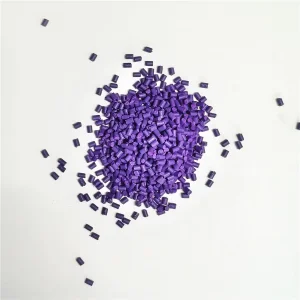
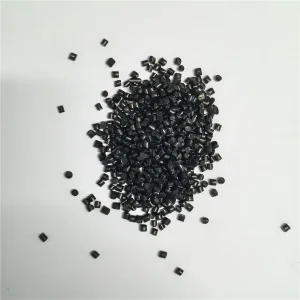
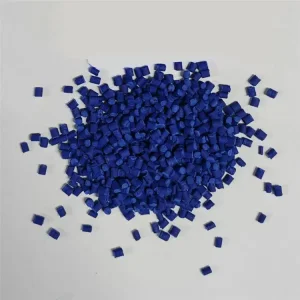
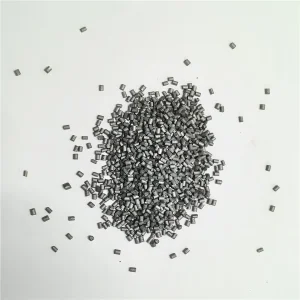
Engineered with high dispersion carrier resins and premium grade thermal/dielectric additives to maximize electrical insulation stability and processing efficiency.
An in-depth analysis of material science advancements, dielectric strength optimization, and environmental standards governing polyethylene insulation masterbatch production in China and globally.
Polyethylene (PE) insulation masterbatch serves as the cornerstone of electrical isolation, high-voltage power transmission cables, signal communications, and lightweight thermal insulation parts. In recent years, the global electrical and industrial manufacturing sectors have undergone a structural shift. The demand for ultra-high purity low-density polyethylene (LDPE) and cross-linked polyethylene (XLPE) carrier resins has expanded exponentially due to increasing voltage loads and miniaturized electronic assemblies.
Modern PE insulation parts masterbatch formulations developed by leading China factories utilize specialized nano-dispersed inorganic fillers, surface-treated flame retardants, and electrical-grade antioxidants. Unlike standard color or filler concentrates, insulation-grade masterbatches must prevent ionic impurities (such as sodium, chlorine, or unreacted catalyst residues) from migrating into the resin matrix. These impurities act as electron traps or charge carriers under high electrical field stresses, causing dielectric breakdown, partial discharge, and insulation failure.
Regulatory mandates across Europe (CPR Regulation), North America (UL 94 standards), and Asia-Pacific have accelerated the phase-out of halogenated flame retardants in favor of Eco-Friendly Low Smoke Zero Halogen (LSZH) PE insulation compounds. Halogenated additives produce corrosive hydrogen chloride (HCl) gas during combustion, causing severe damage to electronic circuitry and human health risks.
China PE insulation parts masterbatch factories have pioneered ultrafine Aluminum Trihydroxide (ATH) and Magnesium Hydroxide (MDH) surface modification technologies. By applying silane coupling agents onto sub-micron ATH particles, Chinese manufacturers achieve up to 70% functional loading in PE carrier resins while maintaining excellent elongation at break (>150%) and tensile strength in extruded parts.
International OEMs, wire and cable assemblers, and plastic molders demand strict quality guarantees when sourcing PE insulation parts masterbatch from China manufacturers:
Batch Consistency RoHS 3 Compliance REACH SVHC UL 94 V-01. Color Consistency & Delta E Control: Spectrophotometer-verified color accuracy (Delta E < 0.5) ensures precise identification coding for multi-core industrial wiring (e.g., live, neutral, ground, and communication signal lines).
2. Non-Migration & Anti-Bleeding: Pigment organic dyes must be structurally anchored into the polyethylene matrix to eliminate color migration across adjacent insulation layers during heat aging.
3. Moisture Content Thresholds: Moisture levels kept strictly below 0.05% (500 ppm) via automated vacuum drying, eliminating micro-void formation and dielectric pinhole defects during high-voltage insulation processing.
China's masterbatch manufacturing ecosystem—centered around industrial hubs such as Jiangsu (Changzhou), Zhejiang, and Guangdong—delivers unmatched competitive advantages:
• Co-Rotating Twin-Screw Extrusion Lines: Equipped with melt pump dosage systems, automated side feeders, and loss-in-weight gravimetric feeders, guaranteeing additive homogeneity within ±0.2% tolerance.
• Upstream Petrochemical Integration: Direct supply access to primary Sinopec and PetroChina LLDPE/HDPE base resins reduces raw material cost fluctuations, providing global buyers with predictable, competitive pricing.
• Agile Customization & Rapid Sampling: Factory labs offer precision color-matching and specialized additive masterbatch prototyping within 48 to 72 hours, shortening time-to-market for international procurement teams.
Typical physical, electrical, and thermal properties across specialized PE insulation compound masterbatches.
| Masterbatch Grade Code | Carrier Resin Base | Primary Application Field | Dielectric Breakdown Voltage | Melt Flow Index (190°C/2.16kg) | Heat Stability Index |
|---|---|---|---|---|---|
| PE-INS-HV-01 | Super-Clean LDPE | High Voltage Cable Insulation | ≥ 38.5 kV/mm | 2.0 - 4.5 g/10min | 280°C / 30 mins |
| PE-FR-LSZH-02 | LLDPE / EVA Copolymer | Flame Retardant Wire Jackets | ≥ 28.0 kV/mm | 1.2 - 3.0 g/10min | 260°C / 30 mins |
| PE-FOAM-CELL-03 | HDPE / LDPE Blend | Telecommunications Coaxial Foam | ≥ 32.0 kV/mm | 5.0 - 8.5 g/10min | 240°C / 30 mins |
| PE-COLOR-COD-04 | PE Polymer Matrix | Control Wire Color Coding | ≥ 30.0 kV/mm | 3.5 - 6.0 g/10min | 260°C / 30 mins |
From power distribution grids to automotive wire harnesses and building insulation products, specialized masterbatch formulations provide performance protection.
High-speed wire coating extrusion requires defect-free dispersion. PE masterbatch prevents melt fracture, reduces die-lip buildup, and guarantees uniform wall thickness for low-voltage signal wires and high-voltage power transmission lines.
Electric Vehicles (EV) operating at 400V–800V architectures demand ultra-stable high-temperature orange color masterbatches with flame-retardant properties to identify high-voltage powertrain cables in automotive assemblies.
Extruded Polyethylene (XPE/IXPE) chemical cross-linked foam sheets rely on specialized nucleating masterbatch formulations to control cell size distribution, providing superior thermal barrier ratings for HVAC and roofing construction.
Injection molded PE insulating spacers, terminal block covers, and junction boxes utilize masterbatch modified with UV stabilizers and high Comparative Tracking Index (CTI > 600V) additives for outdoor utility gear.
Physical foamed PE insulation masterbatches impart high cellular structure uniformity in 5G micro-coaxial transmission lines, ensuring low signal attenuation and minimal dielectric distortion across gigahertz frequencies.
Offshore energy transport pipes utilize high-density PE insulation masterbatch blends capable of withstanding extreme hydrostatic pressures and chemical degradation in ocean environments.
Expert answers to common engineering, procurement, and manufacturing questions regarding PE insulation parts masterbatch sourcing from China factories.
PE Insulation Parts Masterbatch is a solid pellet concentrate containing specialized pigments, dielectric stabilizers, or flame-retardant functional additives uniformly dispersed within a Polyethylene (PE) carrier resin. Carrier resin selection is critical because the carrier polymer must match or exceed the melt index (MFI), density, and thermal characteristics of the base production polymer. Mismatched carrier resins cause micro-phase separation, localized mechanical weakness, and micro-voids, which drastically lower electrical insulation properties (dielectric breakdown voltage) and cause insulation failure during high-voltage operation.
Leading China masterbatch factories employ automated twin-screw extrusion systems featuring loss-in-weight gravimetric feeding, online optical melt inspection, and vacuum degassing zones. Raw materials undergo rigorous screening for ionic purity (chlorides, heavy metals, and free water). Final masterbatch batches are sampled and subjected to high-voltage breakdown testing under ASTM D149 standards, volume resistivity analysis (ASTM D257), and melt flow indexing before release, ensuring batch-to-batch property consistency.
Standard color coding PE masterbatches typically require a dosage rate of 1.0% to 3.0% by weight depending on wall thickness and color opacity requirements. Functional insulation additive masterbatches (such as UV-stabilizers, antioxidants, or processing aids) are let down at 1.5% to 4.0%. High-efficiency flame retardant masterbatches may require higher addition rates (10% to 25%) depending on the required UL 94 flame rating (V-2, V-1, or V-0) and base wall thickness.
Yes, professional China PE masterbatch manufacturers formulate products to comply with EU Directive 2011/65/EU (RoHS 3), REACH Regulation (EC No 1907/2006) Substances of Very High Concern (SVHC), Halogen-Free standards (IEC 61249-2-21), and FDA/UL requirements. Third-party testing certification reports from accredited laboratories (such as SGS or Intertek) are provided per production batch for global export compliance.
Masterbatch should be stored in original sealed moisture-barrier bags in a cool, dry, well-ventilated warehouse away from direct sunlight, UV exposure, and heat sources. Operating environments should maintain temperatures between 15°C and 30°C with relative humidity below 60%. If bags are opened or stored in humid environments, pre-drying the masterbatch at 70°C–80°C for 2–4 hours in a desiccant dryer prior to extrusion is recommended to eliminate moisture-induced voiding.
Yes, specialized China factories feature dedicated R&D laboratories equipped with computer color-matching spectrophotometers, laboratory twin-screw extruders, and analytical test equipment. Factories can rapidly formulate custom masterbatch samples matching precise RAL/Pantone color codes or engineered functional additive systems (e.g., combined color + UV + anti-rodent + anti-static) within 3 to 5 business days.
Preserved catalog range engineered for blown film, injection molding, profile extrusion, and cable insulation systems.