Precision-engineered Polyethylene (PE) pigment compounds designed for blown film, injection molding, and continuous pipe extrusion applications worldwide.
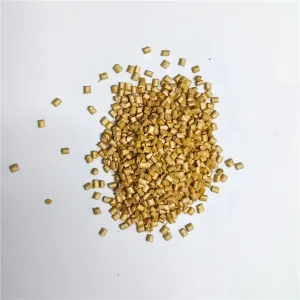
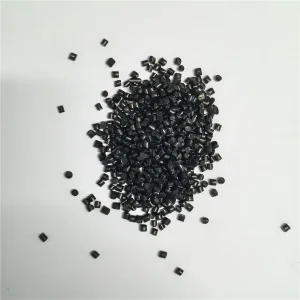
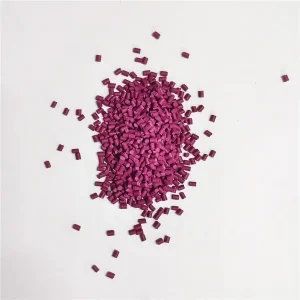
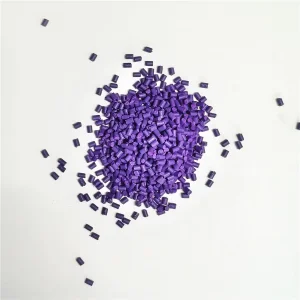
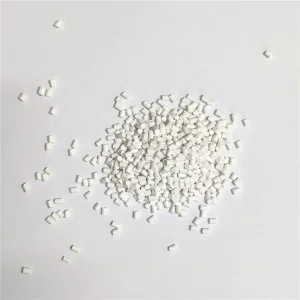
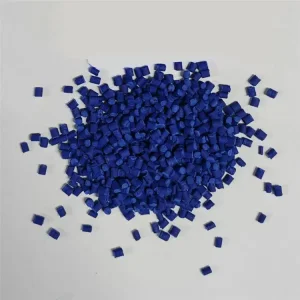
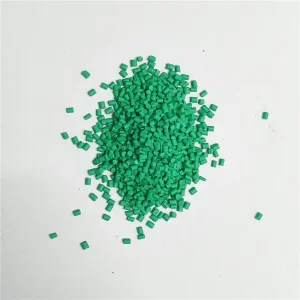
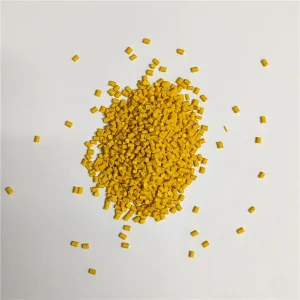
In modern chemical manufacturing and polymer processing, the selection of carrier-matched masterbatches is critical to achieving optical brilliance, mechanical durability, and process repeatability. Searching for top-tier China PE pigment compound factories & factory infrastructure leads global enterprise buyers into a highly sophisticated manufacturing domain. Polyethylene (PE)—spanning Low-Density Polyethylene (LDPE), Linear Low-Density Polyethylene (LLDPE), and High-Density Polyethylene (HDPE)—demands precise compounding chemistries where organic and inorganic pigment particles are perfectly dispersed within a compatible polymer matrix.
China has evolved into the world's primary hub for advanced plastic masterbatch synthesis, producing millions of metric tons annually. Leading Chinese compounding facilities utilize high-torque twin-screw extrusion systems, gravimetric loss-in-weight feeders, and online colorimetric monitoring tools. The primary technical objective of a specialized PE pigment compound factory is to deliver a concentrate that eliminates particle agglomeration, prevents die build-up, maintains melt flow index (MFI) parity with host resins, and delivers absolute color consistency (measured at ΔE < 0.5 under CIE L*a*b* standards).
For overseas procurement managers, tier-1 packaging converters, and industrial molding specialists, evaluating a China masterbatch supplier requires probing beneath basic pricing. Key criteria include pigment loading efficiency (often up to 70% active pigment content for whites and blacks), carrier resin purity, thermal degradation thresholds, migration resistance, and compliance with REACH, RoHS, FDA, and ISO 9001:2015 frameworks.
How integrated supply chains, advanced compounding technology, and scale economics deliver unparalleled value to global plastic processors.
Chinese masterbatch factories sit at the epicenter of raw material synthesis. With direct access to high-purity petrochemical bases (PE resins, waxes) and organic/inorganic pigment synthesis clusters (phthalocyanines, quinacridones, rutile TiO₂), raw material costs are optimized while maintaining strict quality control.
State-of-the-art Chinese plants utilize co-rotating intermeshing twin-screw extruders featuring L/D ratios exceeding 44:1. This guarantees high shear energy to break pigment agglomerates down to sub-micron dimensions, preventing filter clogging and film breakage during high-speed processing.
A major advantage of specialized Chinese factories like Changzhou Jiazhou Plastic is carrier-specific formulation. Instead of universal carriers that weaken polymer mechanical strength, PE compounds utilize exact-match PE carrier resins, preserving tensile strength, impact resistance, and optical purity.
Key technological shifts driving next-generation plastic masterbatch manufacturing across China and international markets.
Driven by EU REACH regulations, FDA food contact requirements, and circular packaging mandates, China PE pigment compound factories are transitioning to 100% heavy-metal-free, low-VOC organic pigment systems. Cadmium, lead chromate, and halogenated colorants are systematically replaced by high-performance organic pigments and eco-friendly inorganic oxides.
Modern high-speed blown film machines and thin-wall injection equipment operate at elevated extrusion temperatures. Advanced PE compounds are formulated with specialized antioxidants and thermal stabilizers to prevent pigment carbonization, color shift, or resin degradation during thermal processing.
As global brands commit to incorporating 30% to 100% PCR PE in packaging films and rigid containers, pigment masterbatch manufacturers are engineering color compounds with enhanced masking power, anti-yellowing agents, and odor-neutralizing additives designed specifically to uplift recycled polymer matrices.
In ultra-thin polyolefin film extrusion (e.g., 8-15 micron agricultural mulch or courier bags), even micro-agglomerates cause film tearing. Top Chinese factories utilize surface-treated nano-pigments and specialized dispersants (PE wax, zinc stearate, organosiloxanes) to achieve Filter Pressure Values (FPV) < 0.5 bar/g.
Engineering masterbatch chemistry to resolve common plastic manufacturing defects and operational bottlenecks.
| Processing Challenge | Root Physical / Chemical Cause | China PE Masterbatch Solution | Engineering Benefit |
|---|---|---|---|
| Film Pinhole & Tearing | Pigment agglomeration; coarse filler particles; high moisture in masterbatch. | High-dispersion PE pigment compound with vacuum degassing & FPV < 0.5 bar/g. | Zero film breakage on high-speed blow lines; consistent tensile strength. |
| Color Migration & Bleeding | Solvent-soluble dye usage; low molecular weight dispersants migrating to surface. | High molecular weight organic pigments bonded with customized PE matrix. | No dye transfer on wrapped goods, food packaging, or stacked plastic parts. |
| Die Accumulation & Drag | Incompatible wax dispersants; thermal degradation at extrusion die face. | Thermally stable processing aids combined with fluoropolymer die lubricants. | Extended run-time between die cleanings; smooth surface finish without sharkskin. |
| Outdoor Weather Fading | UV-induced photo-oxidation breaking pigment chemical chromophore bonds. | Synergistic combination of UV Stabilizers (HALS) + lightfast organic pigments. | Lightfastness rating 7-8 on Blue Wool Scale; 3-5 years outdoor lifespan guarantee. |
Tailored PE pigment masterbatch formulations optimized for specific converting processes and finished product demands.
Applications: Courier express bags, shopping bags, agricultural greenhouse film, industrial stretch film.
Key Requirements: Exceptional opacity, uniform film gauge, high drawdown ratio, anti-static properties, smooth printability for flexographic inks.
Applications: Industrial pallets, beverage crates, household containers, automotive trim, toys.
Key Requirements: Low warp dispersion chemistry, high impact resistance preservation, rapid cycle times, vibrant color match under D65 lighting.
Applications: HDPE water supply pipes, agricultural irrigation tubes, corrugated electrical cable conduits.
Key Requirements: Carbon black P-type dispersion for UV protection, long-term hydrostatic pressure (LTHS) resistance, compliance with drinking water safety norms.
Standardized evaluation criteria utilized by fortune 500 procurement teams when auditing China PE pigment compound factories.
Verify that the factory utilizes Datacolor or X-Rite benchtop spectrophotometers. Standard masterbatch quality agreements must specify a color tolerance threshold of ΔE ≤ 0.5 to 0.8 against standard targets across consecutive production lots.
According to EN 13900-5 standards, FPV measures masterbatch dispersion quality. Quality factories test every lot using a 44-micron mesh screen filter pack to ensure FPV values do not exceed 1.0 bar/g (with premium film grade < 0.5 bar/g).
High moisture content (>0.1%) causes bubbles, splay marks, and silver streaks in molded plastics. Reputable suppliers conduct Karl Fischer titration or thermogravimetric moisture testing, guaranteeing sealed moisture barrier packaging.
Enterprise procurement requires full regulatory compliance dossiers, including REACH SVHC certificates, RoHS 3 directives, FDA 21 CFR food contact compliance, EN 71-3 toy safety certification, and ISO 9001/14001 plant accreditations.
16 Years of Dedicated Masterbatch Manufacturing, R&D Innovation, and Global Supply Chain Excellence.
Established in 2010, Changzhou Jiazhou Plastic Products Co., Ltd. stands as a leading modern enterprise specializing in the research, development, formulation, and large-scale manufacturing of high-concentration PE color masterbatches, filler masterbatches, and functional additive masterbatches. Located in Changzhou City, Jiangsu Province—at the core of China's advanced polymer manufacturing hub—Jiazhou Plastic operates a modernized 6,000 m² factory equipped with high-precision twin-screw extrusion compounding lines, computerized color matching laboratories, and stringent quality control infrastructure.
Operating multiple high-capacity twin-screw production lines capable of producing tens of thousands of tons annually, catering to large-scale global B2B orders with a standard lead time of just 15 days.
Products exported to over 100 countries across North America, Europe, Southeast Asia, the Middle East, and Latin America, trusted by major plastic convertors and global brand owners.
In-house laboratory engineers specialized in exact match color development based on RAL, Pantone, or physical plastic samples within 24 to 48 hours.
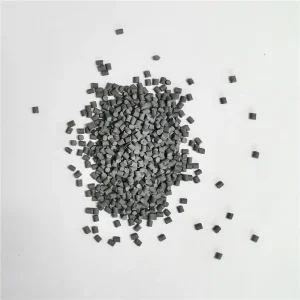
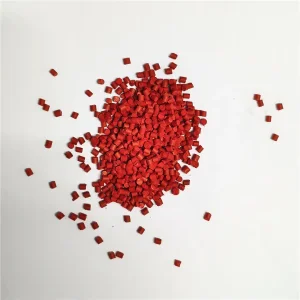
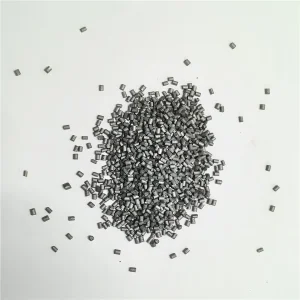
Browse our full range of color and functional compounds engineered for high performance under demanding processing conditions.
Direct technical answers to common buyer questions regarding PE pigment compound sourcing, custom color matching, and logistics.