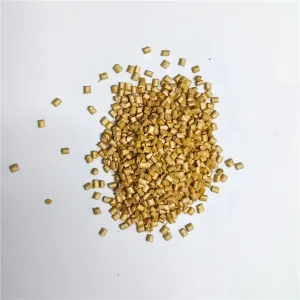
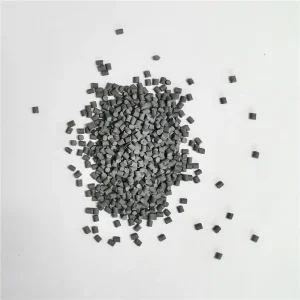
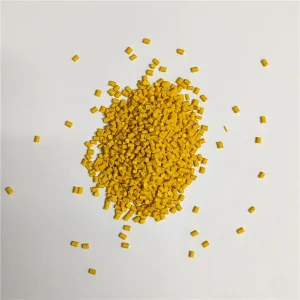
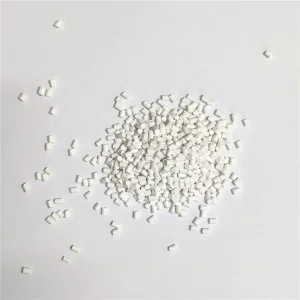
Engineered specifically for heavy-duty industrial crates, food-grade agricultural baskets, and high-speed injection molding lines.
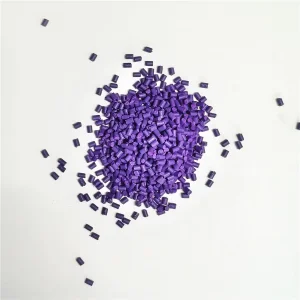
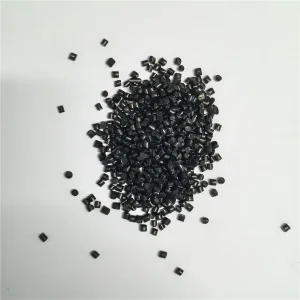
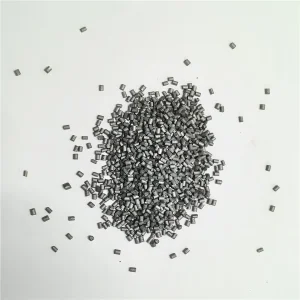
How advanced polymer compounding and specialized PE masterbatch formulations drive efficiency, durability, and compliance across global logistics and agricultural supply chains.
The global market for Returnable Transport Packaging (RTP), specifically high-density polyethylene (HDPE) and polypropylene (PP) plastic baskets, crates, and stackable totes, has experienced exponential growth. Driven by the expansion of automated cold-chain logistics, agricultural harvesting efficiency, and modern retail warehousing, the demand for high-durability plastic containers is at an all-time high. However, plastic basket manufacturers face critical operational hurdles: maintaining high structural tensile strength, ensuring rapid melt-flow index (MFI) consistency during ultra-high-tonnage injection molding, preventing color migration, and guaranteeing long-term resistance to environmental stress cracking (ESCR) and ultraviolet degradation.
In this industrial landscape, selecting the right partner among China PE plastic basket masterbatch factories is no longer merely a purchasing decision—it is a core engineering strategy. Standard colorants often fail under rigorous field conditions. Baskets exposed to direct outdoor sunlight undergo photo-oxidation, leading to embrittlement, color fading, and catastrophic corner-cracking during multi-tier stacking. Furthermore, low-grade masterbatches with poor pigment dispersion create localized stress concentrations within the plastic matrix, increasing reject rates on high-speed automatic injection molding production lines.
Leading Chinese compounding enterprises, such as Changzhou Jiazhou Plastic Products Co., Ltd., have pioneered specialized carrier-matched PE masterbatch formulations. By utilizing linear low-density polyethylene (LLDPE) or prime HDPE resin matrices with precise melt index synchronization, specialized basket masterbatch ensures near-instantaneous dispersion across thin-walled lattice structures and heavy ribbed basket bases. This technological breakthrough allows plastic processors to optimize let-down ratios (LDR) to between 1.0% and 4.0%, dramatically lowering raw material overhead while simultaneously accelerating injection molding cycle times by up to 12%.
Optimizing mechanical integrity, pigment loading density, and thermal stability in modern polymer compounding.
Engineered carrier resin matrix matched to base polymer Melt Flow Index (8 to 25 g/10min), preventing surface splay, flow marks, and localized stress cracks in thin-walled mesh baskets.
Utilizing high-grade organic and inorganic pigments processed under twin-screw extrusion to eliminate thermal degradation and color shifting during high-temperature injection molding cycles.
Integrated Hindered Amine Light Stabilizers (HALS) and anti-oxidants protect outdoor agricultural harvest crates against aggressive UV-A and UV-B solar radiation for up to 5+ years of active field service.
| Performance Parameter | Test Standard / Method | Technical Specification Target | Industrial Advantage |
|---|---|---|---|
| Carrier Resin Compatibility | ISO 1133 / ASTM D1238 | PE / LLDPE / HDPE Carrier Matrix | Zero phase separation, flawless dispersion in virgin & recycled resins |
| Pigment Content Concentration | TGA Thermal Gravimetric | 30% - 70% Pigment Loading | Maximum tint strength at reduced let-down ratio (1.5% - 3%) |
| Heat Resistance Temperature | DIN EN 12877-2 | 220°C - 260°C (Continuous) | No color change or resin yellowing during rapid injection molding |
| Color Fastness / Light Rating | ISO 105-B02 (Blue Wool Scale) | Grade 7 to Grade 8 (Maximum) | Resists outdoor fading under intense tropical agricultural solar exposure |
| Dispersion Value (FPV) | EN 13900-5 (Filter Pressure) | < 1.5 bar / g Fine Dispersion | Prevents pinhole defects, mesh clogging, and structural micro-cracks |
| Heavy Metal Compliance | RoHS Directive 2011/65/EU | Pb, Cd, Hg, Cr(VI) Free (< 100ppm) | Full international compliance for eco-conscious global export |
Precision-tailored masterbatch formulations adapted to distinct operational environments across global supply chains.
Agricultural field crates require high impact resistance and non-migratory colorants. Our PE color masterbatch is compliant with FDA and EU food contact regulations, resisting aggressive field washing chemicals, fungicides, and high moisture levels without color leaching.
Industrial totes used in automated warehouses experience intense corner impacts and static load stress during high stacking. Formulated with nucleating agents, our masterbatch enhances polymer crystallinity, increasing stiffness and stacking strength.
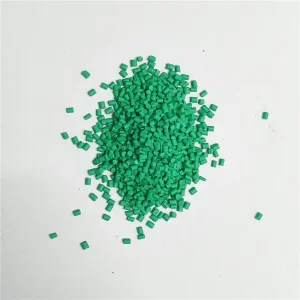
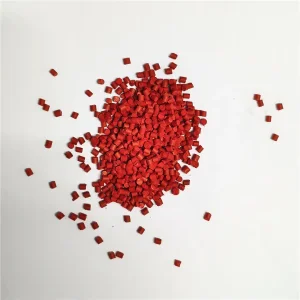
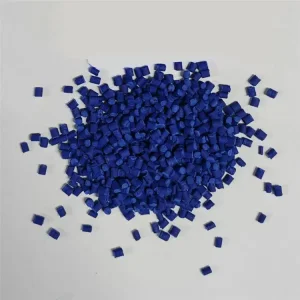
Vibrant aesthetics and scratch resistance are vital for supermarket handheld baskets. We supply high-gloss PE red, blue, green, and custom metallic masterbatches that retain their brilliant surface finish despite frequent customer handling.
Standard plastics become brittle at sub-zero temperatures (-30°C). Our low-temperature modified PE masterbatches incorporate specialized flexibilizers that prevent micro-fractures in seafood, meat, and frozen food handling crates.
Focusing on domestic convenience, our non-toxic, odorless white, pastel, and custom grey PE masterbatches meet REACH SVHC safety standards while offering anti-static properties that repel dust accumulation on retail shelves.
For manufacturers incorporating post-consumer recycled (PCR) HDPE basket scrap, our high-opacity black and dark shade masterbatches effectively neutralize background color variance and mask polymer impurities.
Ensuring seamless technical integration, custom color matching, and international regulatory clearance for overseas B2B buyers.
Exporting plastic baskets and crates to North America, Europe, Japan, or Southeast Asia requires absolute compliance with stringent safety and chemical regulations. Changzhou Jiazhou Plastic Products Co., Ltd. maintains a state-of-the-art testing facility equipped with dual-beam UV-Vis spectrophotometers, melt flow indexers, and digital colorimeters to guarantee that every batch meets global standards.
Fully compliant with EU REACH (SVHC), RoHS Directive 2011/65/EU, FDA 21 CFR 177.1520 for food contact, and China GB 4806.7 standards. Heavy-metal-free and phthalate-free safety guaranteed.
Our optical lab utilizes spectrophotometer color analysis to achieve Delta E (ΔE) < 0.5 tolerances based on Pantone, RAL, or physical resin samples provided by overseas customers.
Packed in heavy-duty 25kg multi-layer aluminum-foil composite barrier bags or 1000kg jumbo bulk bags to prevent ambient moisture absorption during long ocean container transit.
Pioneering sustainable bio-based carriers, intelligent sorting markers, and circular economy masterbatch solutions.
As global environmental policies shift toward circular plastics and carbon reduction, the masterbatch industry is undergoing rapid technical evolution. Chinese masterbatch factories are leading the transition from traditional petro-chemical masterbatches to sustainable, low-carbon additives.
Developing bio-polyethylene masterbatch carriers derived from sugarcane ethanol. Bio-PE masterbatch delivers identical processing parameters to conventional PE while offering a net-zero carbon footprint for sustainable basket manufacturing.
Standard carbon black masterbatches absorb Near-Infrared (NIR) radiation, making black plastic baskets invisible to automated recycling sorting equipment. Our next-generation NIR-reflective black masterbatches allow 100% optical sorting in municipal recycling streams.
Formulated with block-copolymer compatibilizers and functional anti-oxidants, this masterbatch repairs degraded polymer chains during the reprocessing of post-consumer HDPE crate scrap, restoring original mechanical strength.
Expert insights on plastic basket coloring, let-down ratios, UV degradation, and factory procurement.
High-performance formulations engineered for blown film, injection molding, profile extrusion, and industrial plastics.