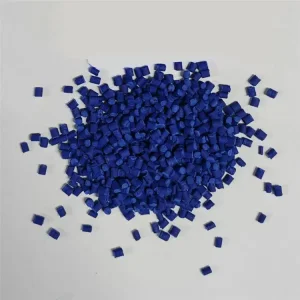
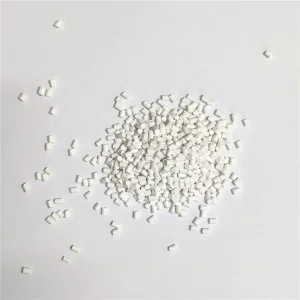
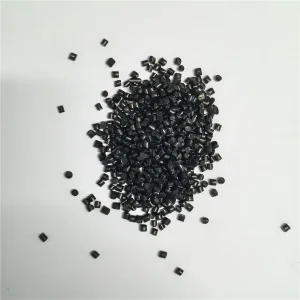
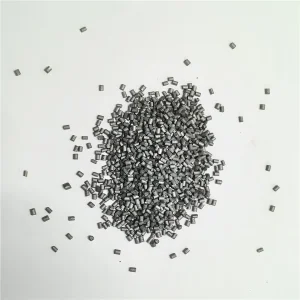
Engineered for extreme thermal resistance, precise melt-flow matching, and superior pigment loading in horticultural plastic processing.
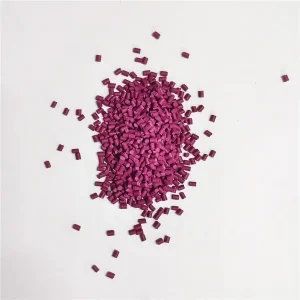
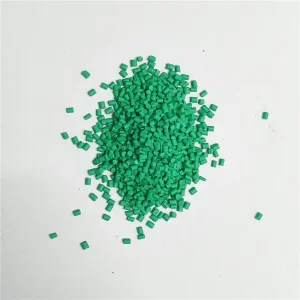
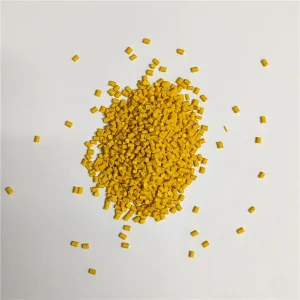
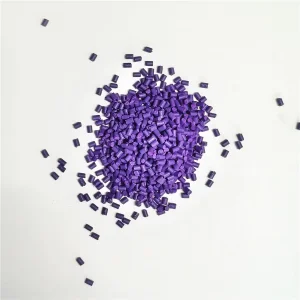
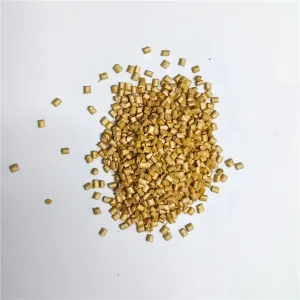
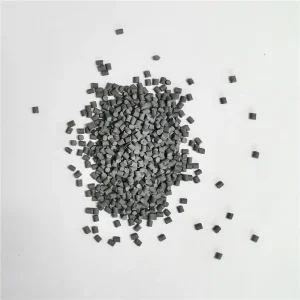
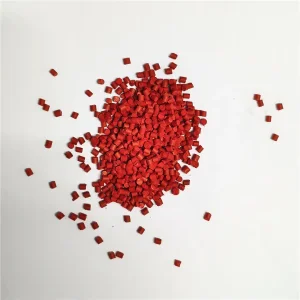
In global agricultural, commercial nursery, and consumer gardening supply chains, plastic flower pots represent a specialized sector of polyolefin processing. Unlike temporary single-use plastic packaging, plastic flower pots (manufactured primarily via high-density polyethylene HDPE, linear low-density polyethylene LLDPE, and polypropylene PP injection or thermoforming molding) face aggressive environmental stressors throughout their operational lifespan. Exposure to high UV radiation indices, continuous humidity cycles, soil chemical additives, organic fertilizers, and severe thermal fluctuations causes non-stabilized polymers to undergo surface chalking, color fading, brittleness, and catastrophic structural failure.
Selecting verified China PE plastic flower pot masterbatch suppliers is a mission-critical decision for global horticultural plastic manufacturers seeking to balance high pigment performance, environmental compliance, thermal stability up to 260°C, and raw material cost efficiency. As a leading 16-year B2B masterbatch manufacturer based in Changzhou, Jiangsu Province, Changzhou Jiazhou Plastic Products Co., Ltd. combines state-of-the-art twin-screw extrusion technology with advanced pigment disperse chemistry to deliver tailored color and filler masterbatch solutions for international buyers across 100+ countries.
Understanding the core chemical composition and physical metrics required for industrial-grade plastic container manufacturing.
Outdoor plastic flower pots deteriorate primarily due to photo-oxidation triggered by solar UV-A and UV-B wavelengths. Premium PE masterbatch incorporates Hindered Amine Light Stabilizers (HALS, such as Light Stabilizer 944 / 770) and UV absorbers (UV-531) to neutralize free radicals, retaining color opacity and flexural strength over 3 to 10 years of sunlight exposure.
Featuring high-concentration organic and inorganic pigment loading (up to 70% in white titanium dioxide TiO2 and black carbon black N550 formulations). Precision twin-screw extrusion guarantees micro-dispersion without agglomeration, preventing screw clogging in injection molding machines and surface streaking in finished planters.
Mismatched carrier resin MFI leads to phase separation and weak weld lines in thin-walled nursery pots. Our PE carrier masterbatches utilize optimized virgin low-density polyethylene (LDPE) or specialized polyethylene waxes with MFI matched between 8 to 30 g/10min (190°C/2.16kg), ensuring fluid resin homogenizing during fast-cycle injection molding.
| Masterbatch Grade | Primary Pigment Type | Pigment Loading (%) | Heat Resistance (°C) | Light Fastness (Blue Wool 1-8) | Primary Horticultural Application |
|---|---|---|---|---|---|
| PE Black Masterbatch | High-Structure Carbon Black (N330/N550) | 40% - 50% | 260°C | Grade 8 (Maximum) | Standard Nursery Containers, Air-Pruning Pots |
| PE White Masterbatch | Rutile Titanium Dioxide (TiO2) | 60% - 70% | 280°C | Grade 7 - 8 | Reflective Two-Tone Root Cooling Planters |
| PE Silver / Metallic Masterbatch | Coated Aluminum Flake Pigment | 25% - 35% | 240°C | Grade 7 | Decorative Modern Planters & Architectural Pots |
| PE Color Series (Green/Red/Yellow) | High-Fastness Organic / Inorganic Salts | 30% - 45% | 240°C - 260°C | Grade 6 - 7 | Consumer Terracotta & Decorative Garden Containers |
| CaCO3 Filler Masterbatch | Sub-micron Ultrafine Calcium Carbonate | 75% - 80% | 300°C | N/A | Cost Reduction & Rigidity Booster for Heavy Pots |
China accounts for over 45% of global plastic colorant production, offering unparalleled chemical raw material integration and economy of scale.
China's robust domestic petrochemical industry provides direct access to high-purity virgin PE resins, inorganic titanium dioxide, and carbon black feedstocks. Suppliers like Changzhou Jiazhou Plastic Products minimize currency fluctuations and material shortages, providing stable year-round contract pricing for high-volume horticultural container manufacturers.
Using advanced spectrophotometers and computerized color-matching software, Chinese masterbatch factories can match custom RAL, Pantone, or physical plastic samples (such as traditional terracotta, slate grey, or botanical green) within 48 hours, accelerating time-to-market for new planter product lines.
With environmental mandates expanding globally, many pot manufacturers utilize recycled PE and PP scrap. China masterbatch suppliers engineer specialized colorants containing compatibilizers and odor-masking agents specifically formulated to overpower impurities in low-grade PCR resins, achieving consistent final hues.
From melt flow rate verification to dispersion testing under optical microscopy and thermal stability checks in 260°C injection trials, modern Chinese production plants enforce ISO 9001 quality protocols to eliminate batch-to-batch color variance across multi-ton orders.
Tailored masterbatch formulation strategies for distinct manufacturing methods and functional container demands.
Large-scale public park containers and architectural pots require extreme stiffness and anti-cracking properties. Utilizing high-density PE combined with 20%-30% calcium carbonate (CaCO3) filler masterbatch and anti-fading grey or black colorant guarantees dimensional stability and structural integrity against impact and freeze-thaw cycles.
High-speed injection-molded thin-wall nursery pots demand fast cycle times and maximum cost control. Carbon black masterbatch with low Let-Down Ratios (LDR 1% - 2%) provides complete light opacity to protect sensitive plant root systems from photo-inhibition while maintaining high processing speeds.
Co-extruded blow-molded planters designed for desert climates utilize a dual-layer approach: a light-reflecting white TiO2 masterbatch outer shell to deflect solar radiation, combined with an opaque black PE inner layer to block root zone light penetration.
Global buyers importing plastic horticultural components into Europe, North America, and Australia must navigate strict environmental and toxicological regulations. Soil contact applications demand that color additives do not leach toxic heavy metals or volatile organic compounds (VOCs) into potting soil or groundwater systems.
Our masterbatch products are thoroughly tested via GC-MS and ICP-OES spectroscopy to ensure complete absence of restricted heavy metals (Lead, Cadmium, Mercury, Hexavalent Chromium) and Substances of Very High Concern (SVHC), complying fully with EU Directive 2011/65/EU and REACH Regulation (EC) No 1907/2006.
To support corporate zero-waste initiatives, Changzhou Jiazhou offers bio-based carrier options (such as PLA and bio-PE) and non-interfering pigment combinations that ensure end-of-life flower pots can be mechanically recycled through standard municipal recycling streams without cross-contaminating polyolefin waste batches.
Answers to common engineering and procurement queries regarding PE plastic flower pot colorants.
Premium colorants, additive concentrates, and functional fillers for global plastic converters.