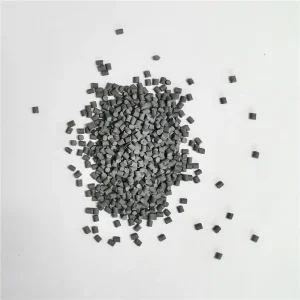
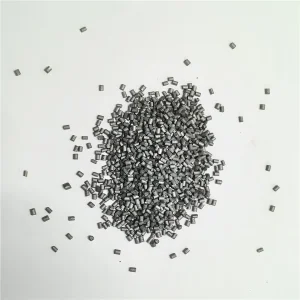
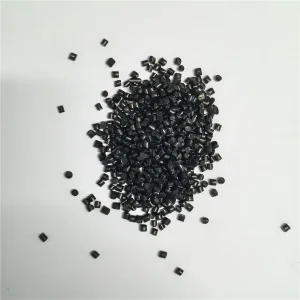
Direct factory portfolio optimized for blown film, injection molding, and continuous pipe extrusion applications worldwide.
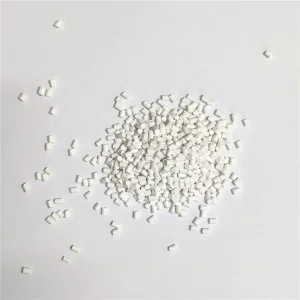
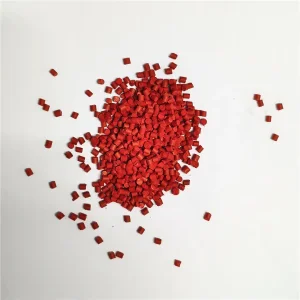
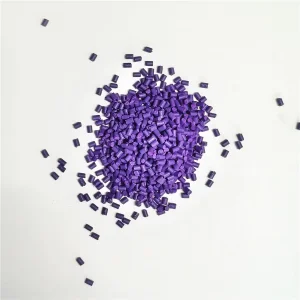
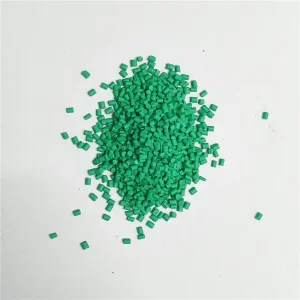
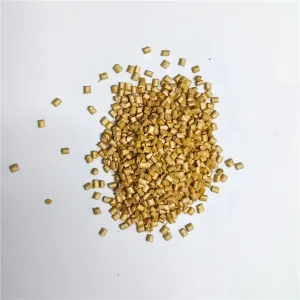
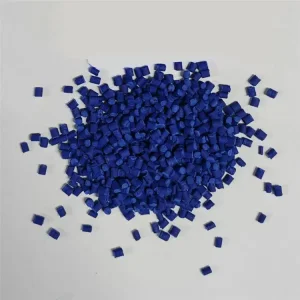
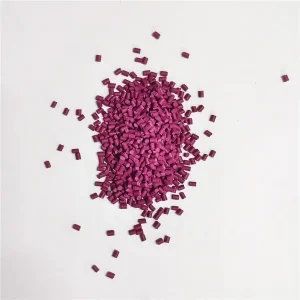
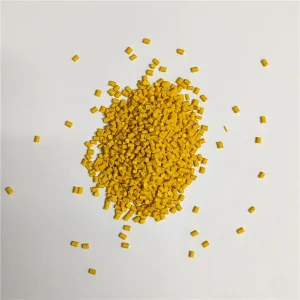
An in-depth analysis of polymer color concentrate production in China’s premier industrial manufacturing ecosystems.
In global thermoplastic processing, Polyethylene Color Masterbatch serves as the vital vector for imparting vibrant aesthetics, structural opacity, anti-UV stability, and process improvement to virgin and recycled resins. The modern polymer industry relies heavily on solid color concentrates—a precise blend of organic or inorganic pigments, carrier resins (LLDPE, LDPE, or HDPE), and functional dispersion additives (such as low-molecular-weight polyethylene waxes and zinc stearate).
China has established itself as the epicenter of global masterbatch compounding due to vertically integrated chemical supply chains, high-torque twin-screw extrusion machinery, and advanced spectrophotometric matching capabilities. Factories located in Jiangsu—such as Changzhou Jiazhou Plastic Products Co., Ltd.—leverage proximity to petrochemical refining centers and automated dosing technologies to achieve unprecedented batch-to-batch consistency and economic scale.
Formulated using high Melt Flow Index (MFI) LLDPE/LDPE carrier resins, ensuring instant homogenization with base polymers without altering structural tensile strength or melt elasticity.
Utilizing high-shear co-rotating twin-screw extruders to de-agglomerate organic pigments down to 0.2–0.5 microns, preventing pinholes, streaks, and filter clogging in thin-gauge film production.
Engineered with primary anti-oxidants and light stabilizers (HALS), enduring thermal processing temperatures up to 260°C–300°C while resisting long-term outdoor UV degradation.
Deconstructing the competitive dynamics of Changzhou & Jiangsu plastic color concentrate production clusters.
The global masterbatch market has witnessed a paradigm shift toward direct B2B sourcing from Chinese specialized factories. This transition is not merely driven by cost competitiveness, but by deep technological sophistication, scale flexibility, and stringent international compliance frameworks including RoHS, REACH, FDA food-contact standards, and ISO 9001:2015 certifications.
| Evaluation Parameter | China Direct Factory Spec (e.g., Jiazhou Plastic) | Traditional Regional Suppliers | Impact on Plastic Converters |
|---|---|---|---|
| Pigment Concentration | High Loading (Up to 70% Titanium Dioxide / 50% Color Pigment) | Standard Loading (20% – 40%) | Lower addition rates (1% - 3%), drastically reducing shipping freight & storage costs per ton. |
| Dispersion Index (FPV) | Filter Pressure Value < 0.5 bar/g (Ultra-Fine Mesh) | Filter Pressure Value 1.5 – 3.0 bar/g | Eliminates film popping, surface roughness, and frequent extruder screen changes. |
| Color Match Precision | Computer Spectrophotometer (ΔE < 0.3 vs Pantone/RAL) | Visual / Manual Color Matching (ΔE > 1.0) | Ensures perfect color consistency across multiple production lots and international plants. |
| Thermal Resistance | 260°C to 300°C Continuous Heat Stability | 220°C to 240°C Heat Tolerance | Prevents color dis-coloration, gas evolution, and thermal degradation during high-speed molding. |
| Customization Agility | Tailored MFI, UV additives, slip agents, anti-stat built-in | Rigid off-the-shelf catalog formulas | One-step solution compounding tailored to client machinery and geographical climate needs. |
Engineering customized carrier formulations to match specific machinery thermodynamics and end-use environments.
Designed for agricultural mulch films, express courier bags, shopping bags, and multi-layer barrier packaging. Features high opacity, zero bubble instability, anti-blocking properties, and flawless surface finish down to 10-micron film thickness.
Ideal for automotive interior parts, industrial crates, electrical appliance housings, and household consumer goods. Delivers rapid cycle times, uniform shrinkage prevention, zero sink marks, and high gloss finish across intricate molds.
Specialized HDPE/LDPE pipe color compounds featuring ultra-high weatherability, carbon black dispersion for UV defense in municipal water infrastructure, gas conduits, and corrugated agricultural drainage pipes.
A structured framework for international procurement directors evaluating masterbatch suppliers in China.
When international plastic processors import polyethylene color masterbatches, raw unit price per kilogram is only one variable in the total cost equation. A comprehensive Total Cost of Ownership (TCO) evaluation incorporates addition efficiency, machine downtime reductions, energy consumption during extrusion, and scrap rate minimization.
High-concentration masterbatches allow plastic processors to reduce Let-Down Ratios (LDR) from 4% down to 1%–2%. This 50% reduction in masterbatch volume directly translates to substantial ocean freight savings, smaller warehouse storage footprints, and lower handling overhead.
Well-dispersed pigments coated with high-grade processing aids act as internal lubricants inside the extruder barrel. This reduces motor torque, lowers head pressure, decreases melt temperatures, and saves up to 8%–12% in electrical energy per ton of converted polymer.
Inconsistent color masterbatch causes streakiness, specs, and Delta E drift, leading to rejected product lots. Certified China factories utilizing computer color matching keep ΔE within 0.3 tolerance, eliminating scrap rates during production switching.
Established manufacturers maintain strategic raw material buffers of TiO2 and organic pigments while operating multiple twin-screw lines. This ensures standard 10–15 day order-to-container dispatch, insulating global buyers from supply chain shocks.
How leading Chinese companies are driving bio-compatible, PCR-friendly, and multi-functional smart masterbatch systems.
The global plastic industry is undergoing a profound transformation driven by circular economy mandates, carbon neutrality goals, and advanced smart materials. Chinese masterbatch producers are at the forefront of this evolution, investing heavily in modern compounding technologies.
Formulating specialized masterbatches tailored to Post-Consumer Recycled (PCR) PE resins. These contain reactive compatibilizers and anti-yellowing neutralizers to restore optical brilliance and mechanical ductility to recycled plastics.
Integrating color pigments with functional additives in a single pellet—combining anti-static, anti-fogging, UV protection, and processing aids to streamline compounding into a one-step operation.
Pioneering bio-based Polyethylene (Bio-PE) and biodegradable carrier systems that align with strict EU plastic reduction directives while maintaining identical color loading performance.
Expert insights covering processing parameters, carrier selection, color matching, and international ordering logistics.
The standard addition rate generally ranges between 1% and 4%, depending entirely on the pigment concentration within the masterbatch, the wall thickness of the final product, and the required opacity. For high-concentration masterbatches in blown film applications, an LDR of 1% to 2% is typically sufficient, whereas heavy-gauge injection molding or intense outdoor color requirements may use 3% to 4%.
PE (specifically LLDPE or low-density PE) possesses lower melting temperatures and high melt flow rates, allowing it to act as an universal matrix for various polyolefin resins including PP, HDPE, LDPE, and LLDPE. Its thermal flexibility prevents viscosity mismatch, ensuring excellent dispersion without compromising the structural integrity of the host polymer.
Top-tier Chinese factories utilize automated gravimetric feeding systems on twin-screw extruders and conduct spectrophotometric testing (using CIELAB color space coordinates). Each production batch is tested against master control samples to ensure the color deviation (ΔE) remains strictly below 0.3–0.5. Additionally, Filter Pressure Value (FPV) testing ensures pigment particle dispersion meets international standards.
Our high-quality PE color masterbatches are engineered to withstand continuous extrusion processing temperatures up to 260°C to 300°C without pigment degradation, gas evolution, or shade fading. This high thermal threshold makes them fully compatible with high-speed blown film towers and heavy-duty injection molding machines.
Yes. Formulations designed for food packaging, toys, or medical devices utilize non-toxic, heavy-metal-free pigments and virgin PE carrier resins certified under EU RoHS, REACH SVHC, FDA 21 CFR, and EN71-3 regulations, guaranteeing zero chemical migration into end products.
When stored in its original sealed moisture-proof packaging in a cool, dry, ventilated warehouse away from direct sunlight, PE color masterbatch has a shelf life of up to 24 months. Pre-drying before processing is generally not required unless exposed to high humidity environments.
Absolutely. Our R&D laboratory offers custom color matching according to physical target samples or Pantone/RAL color codes within 3-5 business days. Furthermore, we can integrate functional additives such as UV stabilizers, anti-static agents, flame retardants, or slip agents into the customized color concentrate.
Standard minimum order quantities start at 1,000 kg per color grade. Standard manufacturing lead time is 7 to 15 days upon order confirmation, backed by efficient container stuffing and direct rail/sea freight dispatch from Shanghai and Ningbo ports.
Premium grade masterbatches ready for export dispatch. Click below to inspect individual technical datasheets.