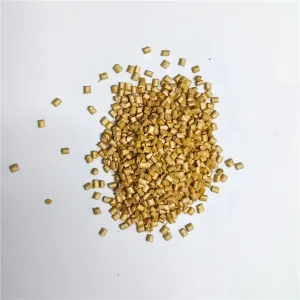
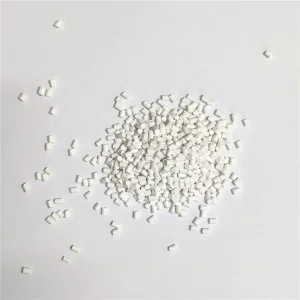
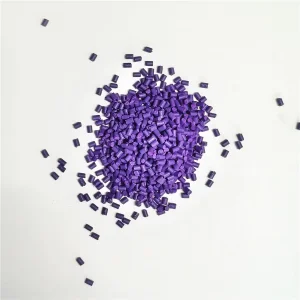
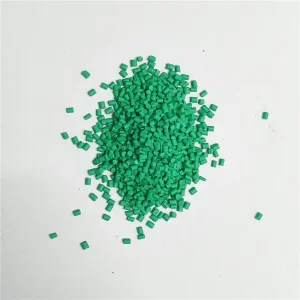
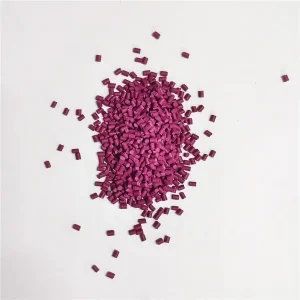
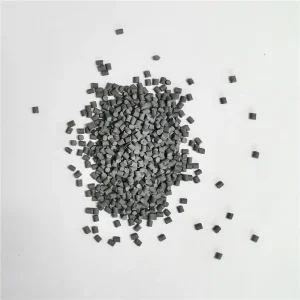
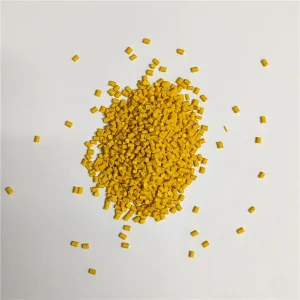
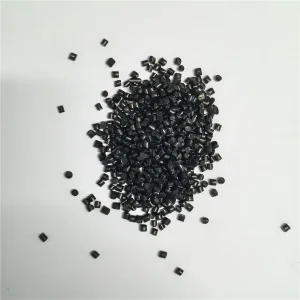
Explore our flexible-batch PE masterbatch solutions engineered for extrusion, blown film, and injection molding. Optimized for low minimum order quantities without sacrificing dispersion performance.
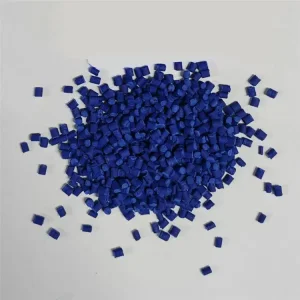
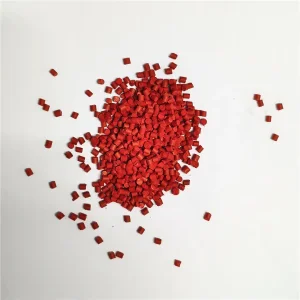
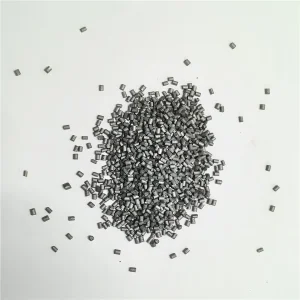
In the modern globalized polymer conversion landscape, plastic processing enterprises are undergoing a profound operational transformation. Historically, procurement models in the polyolefin colorant sector were anchored around high Minimum Order Quantities (MOQs)—often requiring multi-ton orders per color match. However, dynamic consumer markets, shorter product lifecycles, and modern just-in-time (JIT) manufacturing paradigms have exposed severe inefficiencies in traditional bulk purchasing models.
As a leading China small order support PE masterbatch company, Changzhou Jiazhou Plastic Products Co., Ltd. bridges the critical gap between ultra-lean small-batch flexibility and industrial-scale chemical consistency. Polyethylene (PE)—encompassing Low-Density Polyethylene (LDPE), Linear Low-Density Polyethylene (LLDPE), and High-Density Polyethylene (HDPE)—demands precise carrier resin compatibility, controlled Melt Flow Index (MFI) matching, and uniform pigment dispersion. Achieving these technical parameters at micro-scale extrusion volumes requires proprietary pilot-scale compounding equipment, digitized spectrophotometric color matching, and agile quality assurance protocols.
Global demand for customized polyolefin products is surging across diverse segments including specialized packaging, agricultural films, automotive trims, and consumer goods. However, regional processors face distinct commercial bottlenecks when dealing with conventional colorant producers:
Traditional masterbatch suppliers require minimum orders of 1,000kg to 5,000kg. For small-to-medium enterprises (SMEs) producing specialized short-run goods, unused masterbatch often sits in warehouses for extended periods, leading to moisture absorption, agglomeration, and chemical degradation.
Product innovation cycles have accelerated. Brand owners require pilot batches to evaluate visual appeal, weatherability, and regulatory compliance before launching full scale mass production. Small order support allows manufacturers to validate market response with negligible upfront capital risk.
Modern aesthetics require custom PANTONE or RAL shade precision. Off-the-shelf stock colors rarely satisfy specialized visual branding requirements. Small-batch custom color formulation empowers processors to deliver exact visual identities to their end clients.
A common operational bottleneck in small-batch masterbatch manufacturing is the challenge of maintaining color batch-to-batch consistency and pigment dispersion efficiency. When processing short runs, traditional industrial extruders suffer from significant purge loss and unstable thermal profiles during start-up.
To overcome this, specialized Chinese small-order manufacturers like Jiazhou Plastic utilize advanced, specialized twin-screw extrusion technology specifically engineered for low-volume precision compounding.
| Technical Parameter | Standard High-Volume Extrusion | Jiazhou Precision Small-Order Architecture | Impact on Final Plastic Product |
|---|---|---|---|
| Screw Extruder Configuration | Large L/D (40:1+) High-Output Lines | Segmented Co-Rotating Twin-Screw (L/D 36:1–44:1) | Prevents thermal shear degradation; ensures micro-dispersion. |
| Minimum Batch Run | 1,000 kg – 5,000 kg | 25 kg – 50 kg (Flexible Scale) | Zero excess inventory; maximum working capital efficiency. |
| Color Tolerance Control | Spectrophotometric ΔE < 1.2 | Datacolor Computer-Matched ΔE < 0.3 – 0.5 | Flawless color repeatability across distinct production batches. |
| Carrier Resin Selection | Generic Commodity Virgin PE | Tailored Virgin LDPE / LLDPE / HDPE MFI Matched | Eliminates structural weakening, streaks, and delamination. |
| Pigment Dispersion Index | Standard Filter Pressure Value (FPV) | Low FPV (< 1.0 bar/g for fine film applications) | Prevents pinhole defects and tearing in ultra-thin blown films. |
A critical failure point in low-grade masterbatches is carrier mismatching. If the melt flow index (MFI) of the masterbatch carrier is significantly lower than that of the base virgin resin, the masterbatch pellets will not melt uniformly during the plasticization phase, resulting in visual speckling, streaking, and compromised tensile strength.
Our engineering methodology mandates matching the melt flow rate and density parameters of the carrier polymer precisely with the target application—whether blown film (requiring high melt strength), injection molding (requiring rapid flowability), or blow molding (requiring balanced environmental stress crack resistance).
Small-order support is not merely a commercial convenience; it is an technical necessity across specialized industrial applications. Below are key manufacturing sectors benefiting from short-run PE masterbatch customizations:
Specialty courier bags, agricultural multi-layer films, and food-grade packaging require specific opacity, high light-fastness, and weatherable pigments. Small batch support enables short runs of custom-colored films tailored for seasonal or promotional campaigns without minimum weight penalties.
Automotive interior components, home appliance housings, and medical containers require tight geometric tolerances and zero shrinkage variance. Our thermal-stabilized masterbatches preserve dimensional stability and mechanical durability across complex molds.
High-Density Polyethylene (HDPE) industrial pipes and wire jackets demand superior UV resistance, non-migration properties, and high carbon black or pigment dispersion to prevent crack propagation under prolonged environmental stress.
Operating as a trusted international masterbatch partner requires rigorous adherence to global chemical safety frameworks. Small-batch customers receive the exact same level of analytical certification and compliance documentation as tier-1 enterprise buyers.
Full quality management system certification governing raw material intake, extruder thermal logs, and batch traceabilities.
Strict exclusion of heavy metals (Lead, Cadmium, Hexavalent Chromium) and Substances of Very High Concern (SVHC).
Food contact compliant formulations utilizing non-toxic, non-migratory organic pigments and primary virgin polyolefin carriers.
Express physical sample matching and laboratory spectrophotometric color curve generation for rapid client validation.
Strategically situated in Changzhou, Jiangsu Province, our production facility benefits from direct proximity to Shanghai Port. We offer integrated export support including LCL (Less than Container Load) consolidation, custom palletization, air-freight sampling, and specialized moisture-proof vacuum packing—ensuring your small order arrives in pristine processing condition anywhere in North America, Europe, Southeast Asia, or the Middle East.
The future of plastic color formulation lies at the intersection of digital color matching, micro-granulation, and circular economy compliance. Our ongoing R&D initiative focuses on three core pillars:
Engineering hyper-dispersible masterbatches capable of compensating for the natural color degradation and viscosity fluctuations inherent in PCR and PIR polyolefin waste streams.
Formulating low-melt temperature carriers that allow converters to reduce extruder barrel temperatures by 15°C to 30°C, delivering measurable carbon footprint reductions during plastic conversion.
Integrating artificial intelligence algorithms with inline optical sensors to predict color shift during high-temperature shear extrusion, reducing color matching iterations from days to hours.
Get definitive answers regarding minimum order volumes, custom color formulations, carrier compatibility, and shipping protocols.
Select from our comprehensive line of high-concentration pigment masterbatches. Click below to request customized small-batch pricing, technical data sheets (TDS), or physical samples.