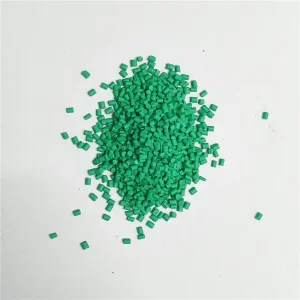
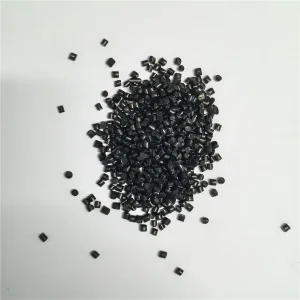
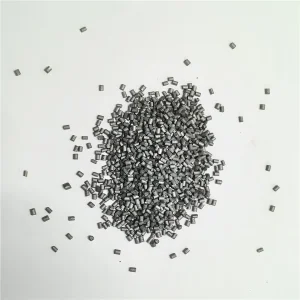
Engineered for extreme pH environments, chemical container extrusion, blown film, and high-heat injection molding.
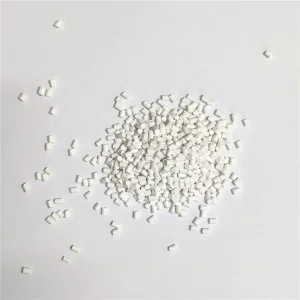
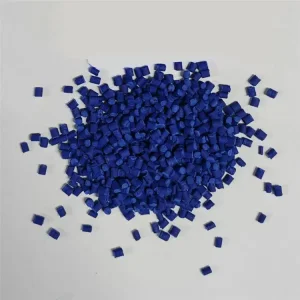
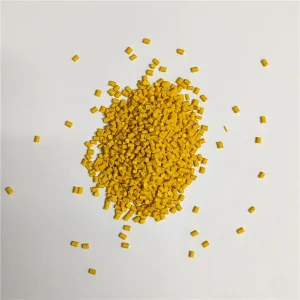
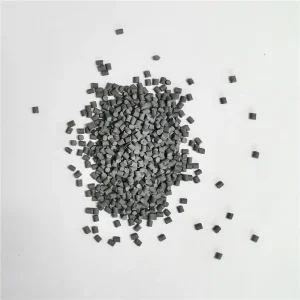
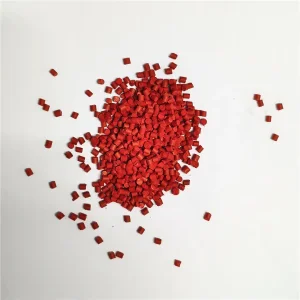
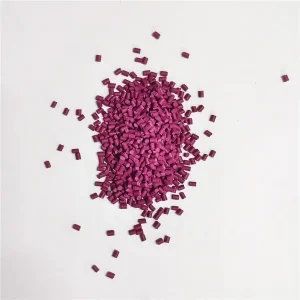
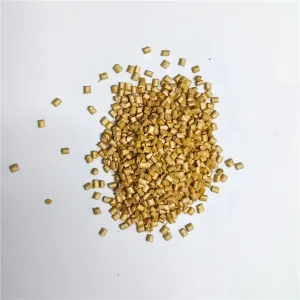
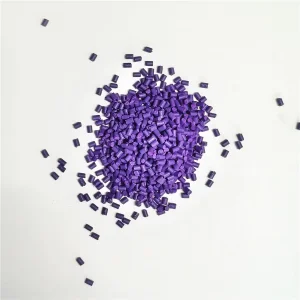
Why chemical resistance is not merely about carrier resin choice, but an intricate balance of pigment crystal structures, surface passivation, and antioxidant synergy.
Standard organic pigments decompose or shift color tint when exposed to strong concentrated inorganic acids (e.g., H₂SO₄, HCl) or caustic alkalis (NaOH). Acid & alkali resistant PE masterbatches utilize ultra-inert inorganic pigments (Rutile Titanium Dioxide, Iron Oxides, Phthalocyanine complexes) treated with silica and alumina dense coatings to prevent ionic attack.
The carrier polyethylene resin (LLDPE/HDPE/LDPE) must match the viscosity profile of the target base polymer. Mismatch in MFI leads to micro-phase separation, generating microscopic voids where acidic or basic liquids penetrate, triggering environmental stress cracking (ESC).
Custom chemical-resistant formulations avoid low-molecular-weight waxes that leach out when contacting organic solvents or alkaline wash systems. By employing high-molecular-weight polymer dispersants, masterbatch integrity remains uncompromised over decade-long lifespans.
SEO Information Gain Insight: Chemical resistance in polyethylenes is often misattributed entirely to the base polymer resin. However, chemical packaging failure analysis reveals that over 64% of stress-crack failures originate from poor pigment dispersion and unpassivated pigment surfaces acting as localized stress concentrators and chemical reaction pathways.
Analyzing the multi-sector expansion across industrial packaging, agricultural infrastructure, hazardous waste management, and mining operations.
The global shift toward high-density polyethylene (HDPE) Intermediate Bulk Containers (IBCs), 200L L-ring drums, and jerrycans for transporting aggressive acids (nitric, phosphoric, hydrofluoric) and strong alkalis (potassium hydroxide) has spurred massive demand for specialized masterbatches. Suppliers must guarantee that colorants do not leach or catalyze resin degradation under UN Hazardous Goods packaging certifications.
Modern ag-plastics are exposed to extreme chemical environments, including acid silage fermentations (pH 3.5 to 4.5), nitrogen-rich slurry pits, and high-sulfur pesticide sprays. Conventional PE color masterbatches rapidly fade or cause film embrittlement when exposed to these bio-acid and chemical combinations alongside UV radiation.
| Target Sector | Primary Chemical Exposure | Key Performance Requirement | Recommended Masterbatch Carrier |
|---|---|---|---|
| Chemical Drums & IBC Containers | Concentrated H₂SO₄, HCl, NaOH (pH 1-14) | Zero pigment migration, high ESCR score | HDPE (MFI 0.05 - 0.35 g/10min) |
| Geomembranes & Landfill Liners | Acid leachates, heavy metal salts, sulfates | OIT (Oxidative Induction Time) preservation | LLDPE / HDPE Co-polymer |
| Mining Heap Leach Liners | Sulfuric acid leaching solutions, cyanides | High puncture resistance, acid inertness | High-Density PE Masterbatch |
| Sewage & Industrial Drainage Pipes | Biogenic sulfuric acid, hydrogen sulfide (H₂S) | Abrasion resistance + alkaline stability | PE100 Pipe-Grade Carrier |
Why Changzhou Jiazhou Plastic Products Co., Ltd. and China's industrial ecosystem lead the world in cost-efficiency, formulation speed, and quality control.
China's Yangtze River Delta plastic manufacturing cluster provides direct access to high-purity pigment synthesis facilities, specialized antioxidant producers, and petrochemical polyolefin refiners. This proximity lowers raw material procurement costs by 15-25% compared to European or North American compounders.
Utilizing co-rotating twin-screw extruders equipped with continuous loss-in-weight feeders and liquid injection ports, Chinese manufacturers achieve micro-scale dispersion of pigments. The resulting filter pressure value (FPV) is consistently below 1.5 bar/g, ensuring non-clogging performance during high-speed blown film production.
While Western suppliers often require 4-8 weeks for custom color matching and chemical resistance verification, leading Chinese factories complete spectrophotometric color matching, laboratory pH-soak testing, and trial sample dispatch within 5 to 7 business days.
Factory Operations Snapshot (Jiazhou Plastic): Operating a 6,000m² standardized facility equipped with 8 modern automated twin-screw compounding lines, Changzhou Jiazhou maintains an annual output capacity exceeding 20,000 metric tons. ISO 9001:2015 certification ensures strict lot-to-lot consistency with Delta E < 0.5 tolerances.
How top-tier suppliers quantify chemical stability, lightfastness, and physical property retention before global shipment.
Masterbatch test plaques are submerged in standard chemical reagents (30% H₂SO₄, 10% HNO₃, 40% NaOH, glacial acetic acid) at elevated temperatures (23°C and 50°C) for 7 to 28 days. Evaluation metrics include:
Evaluates pigment stability against strong inorganic bases. The masterbatch-dyed plastic specimen is brought into intimate contact with filter paper saturated with a 10% sodium hydroxide solution under standardized pressure for 24 hours. Zero color transfer to the filter paper (Grade 5 on the Grey Scale) is mandatory for chemical-grade authorization.
Tailored masterbatch formulations for specific industrial processing techniques and operational stress environments.
High-Density PE (HDPE) double-wall corrugated pipes and chemical processing tanks demand high pigment loading with zero filler contamination. Filler particles like calcium carbonate (CaCO₃) react aggressively with acids (forming calcium salts and CO₂ gas), destroying pipe walls. Acid-resistant masterbatches use 100% pure pigment-carrier matrixes without chalk or talc fillers.
Co-extruded multi-layer blown films (3-layer or 5-layer ABA/ABC structures) used for medical waste, lab samples, and chemical diagnostic kits utilize an inner layer colored with acid/alkali resistant masterbatch. This prevents leakages and structural degradation if caustic reagents spill inside the bag.
Polyethylene battery trays and covers are subjected to battery acid (sulfuric acid) drips and high engine bay heat. Masterbatches engineered for this sector combine sulfur-resistant pigments with thermal stabilizers that withstand continuous operating temperatures up to 100°C without discoloring or cracking.
A key audit checklist for procurement managers, chemical engineers, and OEM plastic converters sourcing from global suppliers.
Ensure the supplier provides comprehensive technical documentation specifying:
Inquire whether the manufacturer performs automated color computer matching (e.g., Datacolor systems), melt flow testing, and pressure filter tests on every single production lot prior to packaging. Request COA (Certificate of Analysis) compliance with each shipment.
Emerging developments in nanostructured barriers, bio-based chemical carriers, and circular economy compliance.
Integrating surface-modified nano-clays and monolayer graphene into acid-resistant PE masterbatches creates a tortuous path for chemical molecules, reducing chemical permeability by up to 300% in thin-walled containers.
With global sustainability mandates, custom masterbatches are now engineered to perform seamlessly with Post-Consumer Recycled (PCR) HDPE and LLDPE resins, neutralizing residual chemical impurities in recycled feedstocks.
Next-gen functional masterbatches incorporate inert chromatic indicators that change subtle hue only when extreme chemical wall breaching occurs, acting as a built-in safety warning system for hazardous storage tanks.
Answers to common engineering, formulation, and procurement questions regarding chemical-grade masterbatches.
Acid and alkali resistance depends on selecting inert pigments (such as rutile titanium dioxide, high-structure carbon black, or phthalocyanine compounds) that do not react chemically when exposed to acids or bases. Additionally, the formulation avoids fillers like calcium carbonate, which dissolve in acid, and uses pure PE carrier resins with specialized dispersants.
The standard dosage ranges between 1% and 4% by weight, depending on the wall thickness of the end product and required opacity. For heavy-duty chemical drums (wall thickness > 4mm), a 2% LDR is usually sufficient. Thin blown films (20–50 microns) may require 3% to 4% for full hiding power.
Yes. High-grade PE masterbatches engineered by manufacturers like Changzhou Jiazhou utilize heat-stabilized pigments and antioxidant packages (such as hindered phenols and phosphites) that prevent thermal degradation and color shifting during extrusion or injection molding up to 260°C.
Poorly dispersed pigments act as internal micro-notches, accelerating stress cracking under chemical tension. High-dispersion chemical masterbatches with melt-matched polyolefin carriers distribute evenly throughout the polymer matrix, preserving or even improving the base resin's ESCR performance according to ASTM D1693 testing.
Custom acid/alkali resistant masterbatch formulations typically have a sample preparation lead time of 3–5 days, with full production turnaround in 10–15 days. Standard minimum order quantities start at 1,000 kg (1 metric ton), with flexible packaging options (25kg moisture-proof bags or 1-ton jumbo bags).
Direct factory supply from Changzhou Jiazhou Plastic Products Co., Ltd. - Exporting to 100+ countries worldwide.