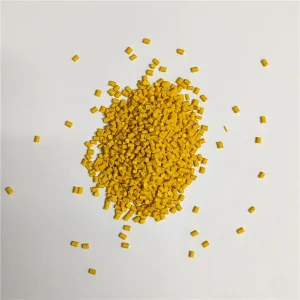
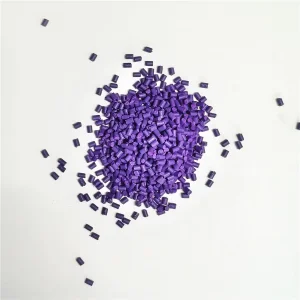
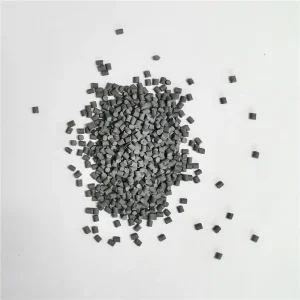
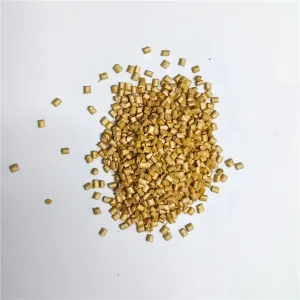
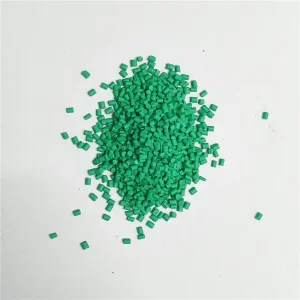
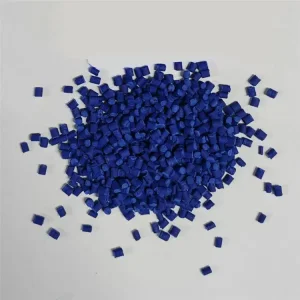
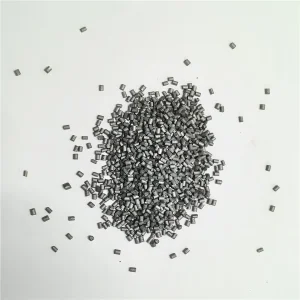
Engineered with specialized carrier resins, ultra-low pressure filter values (FPV), and superior heat stability for filament extrusion.
An in-depth analysis of polymer melt-spinning dynamics, pigment micronization, and thermal rheology optimization for global textile and industrial monofilaments.
The global synthetic fiber market has undergone a structural transition toward lightweight, high-tenacity polyolefin materials. Among these, polyethylenes—specifically Linear Low-Density Polyethylene (LLDPE) and High-Density Polyethylene (HDPE)—are increasingly utilized in monofilament, multifilament, staple fiber, and spunbond non-woven manufacturing. Unlike standard film extrusion or injection molding, fiber drawing (melt-spinning) imposes extreme shear rates, elevated processing temperatures (ranging from 220°C to 290°C), and microscopic draw ratios.
In high-speed spinning plants operating at wind-up speeds exceeding 1,000 to 3,000 meters per minute, any un-dispersed pigment agglomerate exceeding 2 microns acts as a structural defect. This leads to immediate filament snapping, pack-pressure spikes, and costly machine downtime. Consequently, international procurement specifications for fiber-grade PE masterbatches demand rigorous quality benchmarks, centered around low Filter Pressure Value (FPV), narrow Melt Flow Index (MFI) matching, and zero-volatile organic compound (VOC) thermal stability.
Standard blown film or injection masterbatches utilize broader pigment particle distributions (up to 5-10 μm) and conventional carrier waxes. Using standard masterbatches in fiber drawing causes rapid spinneret clogging, melt fracture, and frequent thread-line breaks. Dedicated fiber drawing PE masterbatches require nano-milled pigments, specialized organic dispersants, and carrier resins matched to the exact capillary rheology of the fiber-grade matrix.
Our custom masterbatches utilize carrier resins with controlled molecular weight distributions (MWD). By matching the Melt Flow Index (MFI 12 to 30 g/10min) to the matrix resin, melt fracture and draw-resonance are completely eliminated at the spinneret orifices.
Utilizing high-energy triple-roll and bead milling technologies, pigment agglomerates are reduced to d90 < 1.5 microns. This ensures smooth passage through 15-20 micron spinneret capillary holes without clogging spin pack filters.
High-tenacity fibers are drawn under extreme thermal environments. Our organic and inorganic pigments are surface-stabilized to withstand prolonged residence times up to 280°C without color shifting, sublimation, or gas fading.
Leveraging 16 years of polymer modification expertise, automated twin-screw compounding lines, and stringent ISO quality controls from Changzhou, China.
Situated in Changzhou’s advanced chemical industrial cluster, Changzhou Jiazhou Plastic Products Co., Ltd. benefits from direct raw material pipelines, ensuring raw PE virgin resin purity and stabilizing procurement lead times to under 15 days globally.
Our 6,000m² facility operates multi-zone co-rotating twin-screw extruders equipped with loss-in-weight gravimetric feeders, underwater pelletizers, and continuous melt filtration systems to guarantee batch-to-batch consistency (ΔE < 0.30).
Every masterbatch batch undergoes Pressure Filter Value testing (EN 13900-5 standard using 14-micron filter screens). Only batches demonstrating FPV < 0.5 bar/g are released for fiber-drawing export orders.
Tailored masterbatch formulations for demanding end-use environments, from agricultural shade netting to high-tensile artificial turf monofilaments.
Requirement: 8-10 year outdoor lightfastness (Blue Wool Scale 8) and HALS UV stabilization.
Solution: Custom PE green and yellow fiber masterbatches formulated with high-performance isoindolinone and phthalocyanine pigments, combined with Synergistic Hindered Amine Light Stabilizers. Prevents fibrillated yarn degradation under harsh tropical UV exposure.
Requirement: Chemical inertness, high tensile retention, and resistance to soil acid/alkali environments.
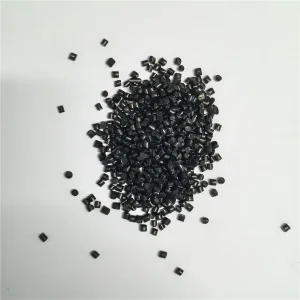
Solution: High-concentration carbon black PE fiber masterbatches featuring high-structure P-type carbon black pellets (20-25nm primary particle size). Guarantees uniform opacity, UV blocking, and zero elongation loss in HDPE geotextile woven tapes.
Requirement: Resistance to agrochemical pesticides (sulfur, chlorine) and severe friction.
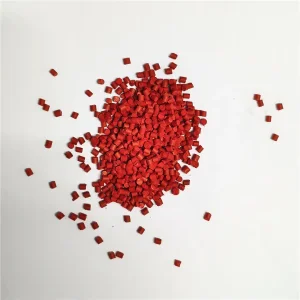
Solution: Specialized PE color masterbatches (blue, red, grey) incorporating metal deactivators and heavy-duty antioxidant packages (Irganox 1010/Irgafos 168 blend). Eliminates premature brittleness in shading nets, anti-bird netting, and marine cordage.
Navigating Total Cost of Ownership (TCO), circular economy compliance, and advanced functional add-in masterbatches.
For large-scale fiber extruders, masterbatch cost constitutes only a small fraction of overall operational expenses; machine downtime, broken filament scrap, and frequent pack-filter replacements account for the vast majority of financial loss.
Developing masterbatches tailored for PCR-HDPE and r-LLDPE melt spinning, compensating for recycled resin viscosity fluctuations.
Integrating vibrant coloration with flame retardancy, hydrophilic moisture management, or antimicrobial functionality into a single single-pellet feed system.
Pushing the boundaries of sub-micron dispersion to allow coloration of ultra-fine denier spunbond fabrics used in medical and hygienic barrier media.
Expert insights from our senior polymer engineers answering technical procurement and operational challenges in fiber drawing extrusion.
Browse our verified high-concentration masterbatch solutions designed for blown film, injection molding, profile extrusion, and fiber drawing.