Explore our high-concentration, thermal-stabilized masterbatch solutions engineered for high-throughput compounding and flawless surface finishing.
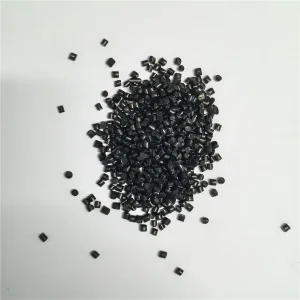
Nano-grade furnace black with 50% loading. Zero jetness loss at high thermal extrusions.
View Specs & RFQ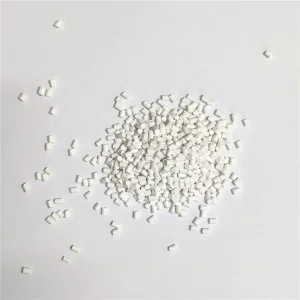
Rutile TiO2 micro-particles engineered for extreme opacity, anti-yellowing, and outdoor durability.
View Specs & RFQ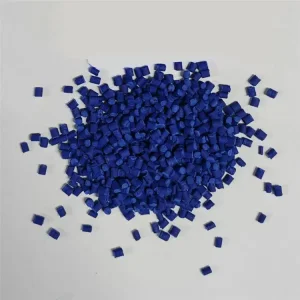
Phthalocyanine blue matrix offering high color strength and excellent dispersion in polyolefin resins.
View Specs & RFQ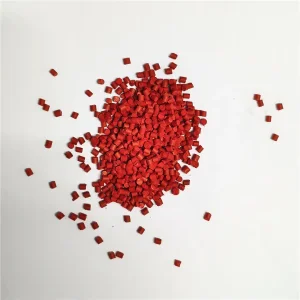
Anti-migration organic pigments designed for high-clarity blown film and thin-wall containers.
View Specs & RFQ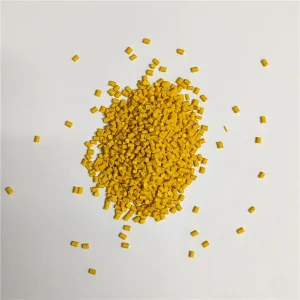
Vibrant, cadmium-free pigment formulation featuring high lightfastness for consumer packaging.
View Specs & RFQ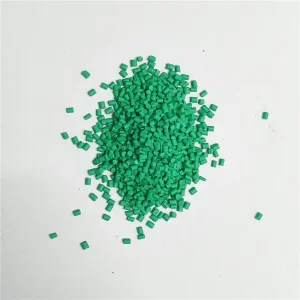
Engineered for agricultural films and industrial pipes requiring long-term UV resistance.
View Specs & RFQ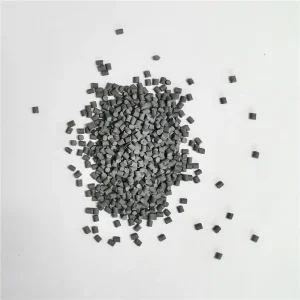
Neutral grey balance with tight color tolerance (ΔE < 0.3) for automotive and electrical housings.
View Specs & RFQ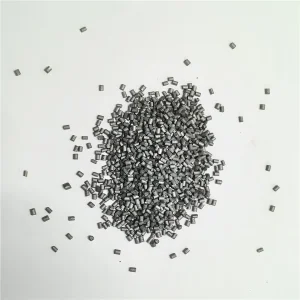
Metallic flake dispersion engineered to eliminate flow lines in aesthetic injection molded parts.
View Specs & RFQIn modern industrial polymer processing, Custom High Dispersion Black PE Masterbatch serves as a critical functional additive, providing not only intense jetness (depth of blackness) but also UV protection, thermo-oxidative stability, and structural integrity. Achieving optimal performance requires an intricate understanding of carbon black (CB) morphology, carrier resin matching, surface chemistry modifications, and twin-screw compounding mechanics.
Primary Carbon Black particles typically range from 15nm to 25nm. However, due to powerful van der Waals forces, primary particles aggregate into clusters (100nm–500nm) and form macro-agglomerates exceeding 10–50 microns. High-dispersion masterbatch engineering uses targeted mechanical shear during co-rotating twin-screw extrusion to breakdown agglomerates to sub-micron scales, preventing filter clogging and film breakage.
The Melt Flow Index (MFI) of the Polyethylene carrier resin must be precisely matched with the base polymer (LLDPE, LDPE, HDPE, or PP). If the viscosity gradient between masterbatch and matrix is too wide, re-agglomeration occurs during processing. We utilize customized LLDPE carrier resins with high MFI (20–50 g/10min) blended with specialized PE wax dispersants to ensure instant, uniform dilution.
Unmodified Carbon Black exhibits a hydrophobic, polar surface that resists polymer wet-out. Our factory formulation incorporates low-molecular-weight polyethylene waxes, oxidized PE waxes, and silane coupling agents. These additives lower melt surface tension, encapsulate carbon black aggregates, and permanently prevent particle re-coalescence during downstream processing.
The global polyolefin masterbatch market is experiencing significant transformation driven by strict environmental mandates, decarbonization goals, and technological advancements in high-speed conversion equipment.
Global brand owners are legally mandated to incorporate 30% to 50% Post-Consumer Recycled (PCR) resins into single-use packaging and industrial components. However, PCR resins suffer from intrinsic discoloration, odor, and thermal degradation. High-jetness, high-dispersion Black PE Masterbatch is the primary solution to neutralize gel contaminants, mask thermal degradation spots, and homogenize optical color tones across recycled polymer batches.
With the rise of electronics packaging (ESD shielding), underground mining pipes, and EV battery enclosure trays, the market demand for multi-functional black masterbatch has surged. Beyond pure coloration, custom formulations integrate Electroconductive Carbon Black (Ketjenblack/Acetylene Black) to lower surface resistivity to 103 - 106 ohms/sq without sacrificing tensile elongation.
The following standard data matrix outlines the physical, chemical, and rheological parameters established by custom high-dispersion black PE masterbatch factories for premium-tier global buyers:
| Performance Parameter | High-Jetness Premium Grade | Agricultural Film Grade | Pipe & Geomembrane Grade | Universal Economy Grade |
|---|---|---|---|---|
| Carbon Black Concentration (%) | 40% – 50% (P-Type CB) | 45% – 50% (Furnace Black) | 40% (Fine Particle < 20nm) | 30% – 40% (Standard CB) |
| Carrier Resin Type | LLDPE / LDPE (MFI 20) | LLDPE / Metallocene PE | Virgin HDPE / LLDPE | Recycled PE / LDPE |
| Carbon Black Particle Size (nm) | 15 nm – 18 nm | 19 nm – 22 nm | 15 nm – 20 nm | 25 nm – 35 nm |
| Filter Pressure Value (EN 13900-5) | < 0.3 bar / g | < 0.8 bar / g | < 0.4 bar / g | > 2.5 bar / g |
| Thermal Stability (°C) | 280°C – 300°C | 260°C | 280°C | 220°C – 240°C |
| UV Lightfastness Rating (Wool Scale) | Grade 8 (Maximum) | Grade 8 (High HALS blend) | Grade 8 (Carbon Black > 2.5%) | Grade 5 – 6 |
| Recommended Addition Ratio | 1% – 3% | 2% – 4% | 5.0% (for 2.5% net CB) | 2% – 5% |
For procurement directors and chemical engineering buyers, evaluating a Masterbatch Supplier based solely on price-per-kilogram leads to hidden downstream costs, including screen-pack clogging, high scrap rates, and product failure.
Buying low-grade masterbatch with poor dispersion forces processors to increase masterbatch loading from 2% to 4% to achieve acceptable opacity. High-dispersion masterbatch delivers superior tinting strength, cutting usage rates by up to 50% while extending extruder screen pack life by 300%.
Leading OEM factories employ automated gravimetric dosing systems and inline spectrophotometers. A batch variance exceeding ΔE > 0.5 results in mismatched assembly parts. Premier suppliers guarantee ΔE < 0.3 across multi-ton shipments via strict raw material validation.
Carbon black is inherently hygroscopic. Absorbed moisture causes moisture streaks, surface pitting, and silver streaks in blown film and injection molding. Custom export factories utilize vacuum degassing twin-screw extruders and moisture-barrier aluminum foil packaging to maintain water content below 0.05% (500 ppm).
Tailored Masterbatch Formulations are designed to address unique mechanical, thermal, and optical challenges across major converting sectors:
Micro-thin blown films (6 to 15 microns) used in agricultural mulch, garbage bag liners, and silage stretch wraps demand zero agglomerates above 5 microns. Agglomerates cause pinholes, bubble tears, and reduced puncture resistance. Our film-grade black masterbatch utilizes specialized P-type furnace black, yielding flawless bubble stability at high extrusion speeds (> 300 m/min).
PE100 municipal water pipes and agricultural drip irrigation tubes require carbon black loading strictly between 2.0% and 2.5% by mass. Crucially, particle dispersion must conform to ISO 18553 (grade ≤ 2) to protect against photo-oxidative degradation for a 50-year service life. Our high-dispersion formulations guarantee micro-dispersion while preserving Environmental Stress Crack Resistance (ESCR).
Geomembranes deployed in mining leach pads and municipal waste containment encounter harsh chemical leachate and outdoor weathering. Custom Black Masterbatch tailored for thick sheet extrusion contains optimized Hindered Amine Light Stabilizers (HALS) combined with nano-carbon black to withstand extreme thermal oxidation and chemical stress.
For automotive under-the-hood housings, battery trays, and industrial crates, melt flow rate and structural impact strength are paramount. Custom PE masterbatch carrier resins are selected to match matrix fluidity, eliminating warpage, weld-line weaknesses, and surface haze while delivering high-gloss jet black aesthetics.
As polymer engineering advances, custom masterbatch factories are implementing cutting-edge technological roadmaps to maintain competitive advantages:
Implementation of real-time optical color sensors on compounding extruders to continuously measure jetness and adjust feeder speed automatically.
Transitioning carrier resins from fossil-fuel LLDPE to sugarcane-derived Bio-PE, achieving zero-carbon footprint masterbatches for sustainable packaging.
Integrating graphene and sub-micron carbon nanotubes (CNT) into standard black masterbatch formulations for enhanced thermal dissipation and physical strength.
Advanced non-carbon black formulations that reflect Near-Infrared (NIR) radiation, allowing automated sorting systems at recycling facilities to detect black plastics.
Exporting high-performance color concentrates requires comprehensive adherence to global environmental and safety standards. Professional OEM suppliers provide robust documentation packages for international trade compliance:
Our global support network offers on-site technical assistance, field-engineer troubleshooting, custom shade matching laboratories, and trial sample dispatch within 48 hours to streamline your procurement cycle.
Browse our complete catalog of certified concentrates available for worldwide export and custom compounding.
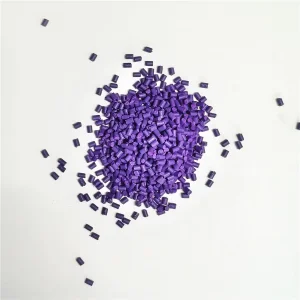
High thermal stability purple concentrate engineered for vibrant cosmetic and household packaging.
View Specs & RFQ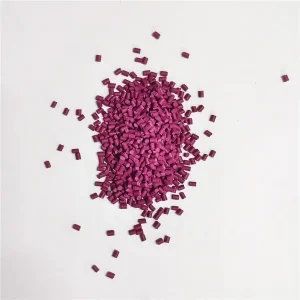
Non-bleeding, vibrant shade designed for high-speed blown film line operation.
View Specs & RFQ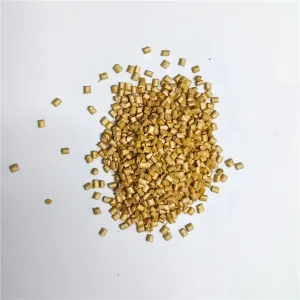
Pearlescent metallic gold luster formulation offering high dispersion without shear degradation.
View Specs & RFQ
Eco-friendly high-jetness black concentrate for premium industrial pipe and geomembrane applications.
View Specs & RFQ
70% TiO2 content delivering extreme whiteness and high opacity for food packaging films.
View Specs & RFQ
Vibrant phthalocyanine blue masterbatch tailored for water tanks and chemical drum molding.
View Specs & RFQ
High lightfastness organic red concentrate designed for heavy-duty plastic crate molding.
View Specs & RFQ
Weather-resistant green pigment compound engineered for outdoor polyolefin products.
View Specs & RFQ