Custom High Dispersion Blow Molding PE Masterbatch Companies & Supplier

Global Industrial White Paper & OEM Sourcing Standard on Rheology Optimization, Pigment Micronization, and Multi-Layer Extrusion Integrity

Featured Selection

High-Concentration Masterbatch Solutions

Engineered for maximum tint strength, thermal stability, and streak-free dispersion in blow molding and extrusion processing.
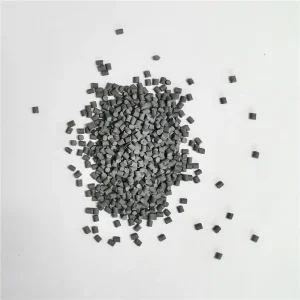
China High Concentration PE Grey Masterbatch Non-migration Heat Resistant for Blown Film Injection Extrusion Plastic Coloring Manufacturer, Manufacturers
China High Concentration PE Grey Masterbatch Non-migration Heat Resistant for Blown Film Injection Extrusion Plastic Coloring Manufacturer
View Product Details
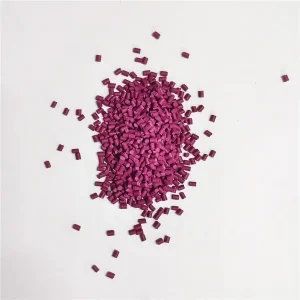
Cheap High Concentration PE Rose Red Masterbatch Anti-fading Heat Resistant for Blown Film Injection Extrusion Plastic Coloring Factories, Suppliers
Cheap High Concentration PE Rose Red Masterbatch Anti-fading Heat Resistant for Blown Film Injection Extrusion Plastic Coloring Suppliers
View Product Details
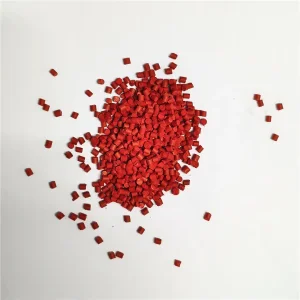
High-Quality High Concentration PE Red Masterbatch Bright Color 260c Heat Resistant for Blown Film Injection Extrusion Coloring Factories, Manufacturers
High-Quality High Concentration PE Red Masterbatch Bright Color 260°C Heat Resistant for Blown Film Extrusion Coloring
View Product Details
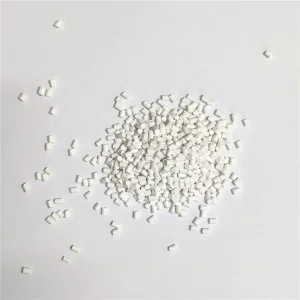
Custom High Concentration PE White Masterbatch Non-toxic Weather Resistant for Injection Molding Blown Film Extrusion Plastic Coloring Companies, Suppliers
Custom High Concentration PE White Masterbatch Non-toxic Weather Resistant for Injection Molding Blown Film Extrusion
View Product Details
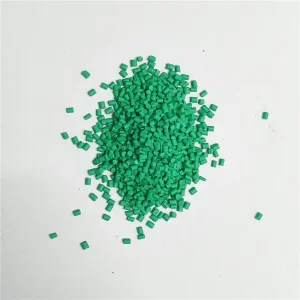
Custom High Concentration PE Green Masterbatch Anti-fading Heat Resistant for Injection Blown Film Extrusion Plastic Coloring Company, Manufacturer
Custom High Concentration PE Green Masterbatch Anti-fading Heat Resistant for Injection Blown Film Extrusion Manufacturer
View Product Details
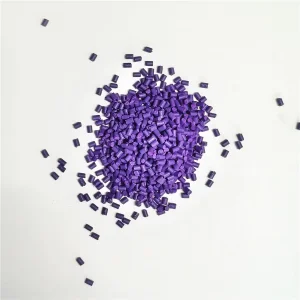
Cheap High Concentration PE Purple Masterbatch Anti-fading Stable Color for Blown Film Injection Extrusion Plastic Coloring Supplier, Manufacturers
Cheap High Concentration PE Purple Masterbatch Anti-fading Stable Color for Blown Film Injection Extrusion
View Product Details
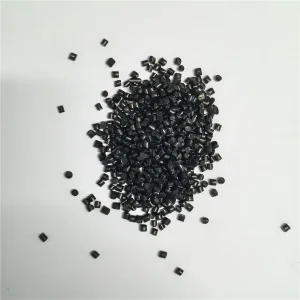
China High Concentration PE Black Masterbatch Eco-friendly 260c Heat Resistant for Blown Film Injection Extrusion Plastic Coloring Suppliers, Supplier
China High Concentration PE Black Masterbatch Eco-friendly 260°C Heat Resistant for Blown Film Injection Extrusion
View Product Details
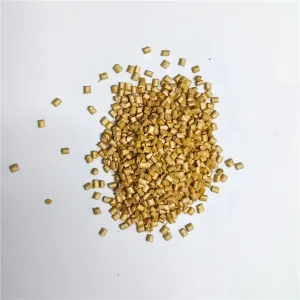
High-Quality High Concentration PE Gold Masterbatch Anti-fading Heat Resistant for Injection Blown Film Extrusion Plastic Coloring Factory, Supplier
High-Quality High Concentration PE Gold Masterbatch Anti-fading Heat Resistant for Injection Blown Film Extrusion
View Product Details
16+
Years R&D Specialization
< 0.2 bar
Filter Pressure Value (FPV)
260°C+
Thermal Degradation Resistance
100+
Global Export Markets

Executive Technical Overview: The Micro-Rheological Imperative in Blow Molding

In modern polyolefin processing, blow molding—encompassing Extrusion Blow Molding (EBM), Injection Blow Molding (IBM), and Injection Stretch Blow Molding (ISBM)—demands a vastly superior level of pigment dispersion compared to standard injection molding or film extrusion. During the blow molding cycle, a hollow thermoplastic parison is extruded, clamped within a chilled mold, and rapidly inflated under high pneumatic pressure. This biaxial elongation subjects the polymer melt to severe circumferential strain and localized wall thinning.

When low-grade masterbatches containing agglomerated pigment clusters or poorly matched carrier resins are introduced into HDPE, LLDPE, or LDPE blow molding matrixes, catastrophic micro-structural defects emerge. Un-dispersed pigment particles (often exceeding 10–15 microns) act as sharp stress concentration nodes. Under inflation strain, these agglomerates cause micro-void formation, pinholes, parison sag, uneven wall thickness, and premature environmental stress cracking (ESCR).

Leading custom high-dispersion blow molding PE masterbatch companies engineered advanced additive and pigment masterbatch formulations designed to mitigate these exact rheological failures. By aligning carrier resin Melt Flow Index (MFI) precisely with target substrates (typically HDPE blow molding grades with MFI ranging from 0.1 to 1.2 g/10min at 190°C/2.16kg) and utilizing multi-stage twin-screw continuous compounding with hyperdispersant surfactant chemistry, premium masterbatches guarantee sub-micron particle shear degradation and absolute color homogeneity across multi-layer container structures.

Core Engineering

Micro-Dispersion & Carrier Chemistry

How state-of-the-art masterbatch manufacturing solves critical structural and aesthetic challenges in modern blow molding.

Carrier Resin MFI Matching
Aligning masterbatch carrier polymer rheology with target HDPE blow molding resins prevents phase separation, interfacial melt fracture, and parison drawdown instability during high-speed extrusion.
Hyperdispersant Coupling
Utilizing low-molecular-weight polyolefin waxes and polar-modified co-polymers to encapsulate inorganic pigments (TiO2, Carbon Black) down to sub-micron agglomerate sizes.
Thermal & Non-Migration Guard
Formulated with high-heat organic pigments capable of enduring 260°C melt temperatures without chemical degradation, gas venting, color shade drift, or plate-out onto chilled mold walls.

Technical Specification Matrix: Standard vs. Custom High-Dispersion PE Masterbatch

Technical Parameter Standard Commodity Masterbatch Custom High Dispersion Blow Molding PE Masterbatch Industrial Impact on Blow Molded Containers
Pigment Dispersion Particle Size 10.0 – 25.0 microns < 1.5 microns (Sub-micron target) Eliminates pinholes, specks, and localized stress cracks under blow expansion strain.
Filter Pressure Value (FPV) > 2.5 bar/g (EN 13900-5) < 0.2 – 0.5 bar/g Prevents melt pump clogging, screen pack pressure spikes, and extruder downtime.
Carrier Resin Compatibility Generic Homo-PP / High MFI LLDPE Tailored HDPE / LLDPE matching substrate MFI Guarantees 100% molecular cross-entanglement and maintains impact strength.
Thermal Stability Threshold 200°C – 220°C 260°C – 300°C Continuous Prevents pigment thermal degradation, off-gassing, and discoloration during slow cycles.
Pigment Migration & Plate-Out Moderate migration; mold buildup Zero migration; zero mold plate-out Reduces mold cleaning intervals by 400%, maintaining container gloss and surface texture.
ESCR Compliance (ASTM D1693) Causes 15-30% drop in ESCR hours Zero degradation / Enhances matrix density Crucial for UN-certified hazardous chemical drums and agrochemical containers.
Information Gain Insight: The Physics of Parison Inflation Strain
During the inflation phase of Extrusion Blow Molding (EBM), the parison wall thickness expands exponentially while stretching up to 300% within fractions of a second. If pigment particles are un-dispersed micro-clumps, the elastic polyolefin matrix pulls away from the solid particle interface. This creates microscopic void pockets (crazing). High-dispersion PE masterbatch solves this by applying high-shear triple-pass twin-screw compounding with specialized coupling agents, ensuring that every pigment micro-particle is completely wetted and organically bound into the PE matrix.
Global Sectors

End-Use Application Matrix

Tailored masterbatch chemistry serving critical industrial, packaging, and commercial blow molding requirements worldwide.

Agrochemical & UN Chemical Drums
High-density PE (HDPE) industrial containers (20L to 1000L IBC totes) demand extreme resistance to aggressive solvents and physical drop impacts. High-dispersion black and yellow PE masterbatches incorporate specialized P-type Carbon Black and non-migrating organic pigments that guarantee zero reduction in Environmental Stress Crack Resistance (ESCR).
Personal Care & Cosmetic Bottles
Cosmetic bottles produced via Injection Blow Molding (IBM) require flawless high-gloss surfaces, brilliant pastel shades, and opaque whiteness. Custom white PE masterbatches formulated with up to 70% Rutile Titanium Dioxide provide complete light opacity at 1-2% let-down ratios while preventing die-lip buildup.
Automotive Fuel & Fluid Tanks
Multi-layer co-extrusion blow molding of automotive windshield washer fluids, urea tanks, and fuel bladders requires masterbatches compliant with stringent OEM volatility and fogging standards (VDA 278). Formulations ensure complete chemical inertness and zero extraction into automotive fluids.
Future Horizon

Technical Roadmap & Future Trends

Next-generation masterbatch technologies driving circular economy compliance, bio-based carriers, and AI color matching.

01
PCR / PIR Resin Compatibilization
Developing masterbatches with built-in reactive chain extenders and radical scavengers to color up to 100% Post-Consumer Recycled (PCR) HDPE without loss of impact strength or melt elasticity.
02
PFAS-Free Process Aids
Transitioning away from traditional fluoropolymer PPA additives toward advanced silicone-based and bio-ester melt lubricants that eliminate die melt fracture while satisfying global PFAS bans.
03
NIR-Sortable Black Pigments
Replacing standard Carbon Black with Near-Infrared (NIR) reflective dark pigments, enabling automated optical sorting machines at recycling plants to detect and sort black HDPE bottles.
04
AI-Powered Spectrum Matching
Integrating spectrophotometric AI algorithms with automated multi-feeder compounding lines to achieve Delta E < 0.3 color accuracy across varying post-consumer resin feedstocks.
Standards & Quality

Regulatory Compliance & Certifications

Meeting world-class safety, environmental, and food-contact compliance frameworks for international B2B buyers.

Selecting a custom high-dispersion blow molding PE masterbatch manufacturer requires rigorous verification of global regulatory compliance. Container manufacturers serving food, pharmaceutical, and chemical industries must ensure that colorants and additive chemistry do not leach harmful compounds under high processing temperatures or extended storage periods.

FDA 21 CFR 177.1520
Formulations strictly tested for food-contact safety, heavy-metal limits, and specific migration limits (SML), making masterbatches ideal for dairy, beverage, and edible oil container blow molding.
EU REACH & RoHS 3.0
Complete absence of Substances of Very High Concern (SVHC), heavy metals (Lead, Cadmium, Hexavalent Chromium), phthalates, and brominated flame retardants compliant with EU Directive 2011/65/EU.
ISO 9001:2015 & ISO 14001
Standardized production facilities utilizing computer-controlled gravimetric dosing equipment and continuous online spectrophotometric analysis to guarantee batch-to-batch consistency.
Product Catalog

Complete Masterbatch Product Lineup

Explore our complete spectrum of engineered color and functional masterbatches designed for blown film, injection, and blow molding.
Custom High Concentration PE White Masterbatch Non-toxic Weather Resistant for Injection Molding Blown Film Extrusion Plastic Coloring Companies, Suppliers
Custom High Concentration PE White Masterbatch Non-toxic Weather Resistant
View Product Details
Custom High Concentration PE Green Masterbatch Anti-fading Heat Resistant for Injection Blown Film Extrusion Plastic Coloring Company, Manufacturer
Custom High Concentration PE Green Masterbatch Anti-fading Heat Resistant
View Product Details
China High Concentration PE Black Masterbatch Eco-friendly 260c Heat Resistant for Blown Film Injection Extrusion Plastic Coloring Suppliers, Supplier
China High Concentration PE Black Masterbatch Eco-friendly 260°C Heat Resistant
View Product Details
Custom High Concentration PE Silver Masterbatch Anti-fading High Weather Resistance for Blown Film Injection Extrusion Plastic Coloring Factory, Manufacturer
Custom High Concentration PE Silver Masterbatch Anti-fading High Weather Resistance
View Product Details
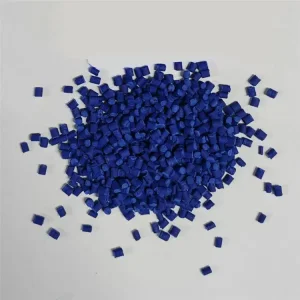
China High Concentration Blue Masterbatch PE Carrier for Plastic Injection Blowing Film Coloring Company, Factories
China High Concentration Blue Masterbatch PE Carrier for Plastic Injection Blowing Film
View Product Details
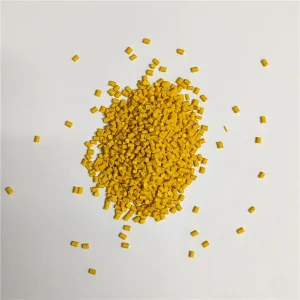
Custom High Concentration PE Yellow Masterbatch Non-toxic Anti-migration for Blown Film Injection Extrusion Coloring Suppliers, Manufacturer
Custom High Concentration PE Yellow Masterbatch Non-toxic Anti-migration
View Product Details
High-Quality High Concentration PE Gold Masterbatch Anti-fading Heat Resistant for Injection Blown Film Extrusion Plastic Coloring Factory, Supplier
High-Quality High Concentration PE Gold Masterbatch Anti-fading Heat Resistant
View Product Details
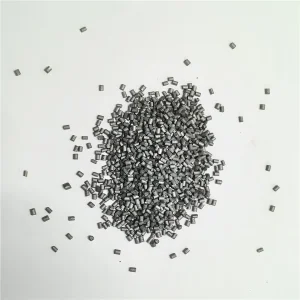
China High Concentration PE Grey Masterbatch Non-migration Heat Resistant for Blown Film Injection Extrusion Plastic Coloring Manufacturer, Manufacturers
China High Concentration PE Grey Masterbatch Non-migration Heat Resistant
View Product Details
Technical Q&A

Frequently Asked Questions

Authoritative technical answers to standard engineering and procurement questions regarding high dispersion PE masterbatches.

Q: Why is standard injection molding masterbatch unsuitable for Extrusion Blow Molding (EBM)?
Injection molding masterbatches typically utilize high-MFI carrier resins (e.g., LLDPE with MFI 20–50 g/10min) to promote rapid mold cavity filling. However, in Extrusion Blow Molding, introducing high-MFI carrier resins into a low-MFI HDPE substrate (MFI 0.1–0.8 g/10min) causes localized melt elasticity drops. This leads to parison sag (where the extruded molten tube stretches under its own weight), uneven container wall thickness, reduced impact resistance at container base welds, and pinholes during pneumatic inflation. Custom blow molding PE masterbatches utilize tailored low-MFI or fractional-MFI PE carrier resins to match substrate melt strength perfectly.
Q: How does Filter Pressure Value (FPV) quantify masterbatch dispersion quality?
Filter Pressure Value (measured via EN 13900-5 testing standard) measures the pressure buildup generated when a molten mixture of resin and masterbatch is extruded through a standardized fine mesh screen pack (typically 14 to 45 microns). If un-dispersed pigment agglomerates or insoluble impurities exist, they clog the screen mesh, causing a rapid rise in pressure (bar/g). A high-dispersion blow molding masterbatch achieves an FPV of less than 0.2 to 0.5 bar/g, proving that virtually all pigment particles are micronized below screen thresholds, eliminating screen clogging and optical defects in finished containers.
Q: What is the recommended let-down ratio (LDR) for high-concentration PE masterbatches?
Because premium custom masterbatches feature pigment loadings up to 70% for Titanium Dioxide (White) or 40–50% for high-tint organic colors/carbon black, the typical recommended let-down ratio ranges between 1.0% to 3.0% by weight depending on bottle wall thickness and opacity requirements. Thin-walled cosmetic bottles may require 2.5–3.0% LDR, whereas heavy-wall chemical drums perform optimally at 1.0–1.5% LDR. High pigment loading combined with high dispersion ensures lower overall dosing costs for plastics processors.
Q: How do custom PE masterbatches prevent pigment migration and mold plate-out?
Pigment migration occurs when low-molecular-weight additives or organic pigments dissolve partially in hot polymer melt and migrate to the surface as the plastic cools, contaminating contents or leaving sticky deposits on chilled aluminum blow molds (plate-out). Custom high-dispersion masterbatches utilize fully insoluble, high-molecular-weight organic and inorganic pigments coupled with high-melting hyperdispersant wax systems. This locks the color chemistry inside the PE crystalline structure, ensuring zero migration (tested under DIN EN 71-3) and zero mold plate-out across 100,000+ continuous blow molding cycles.
Q: Can these PE masterbatches be used in multi-layer co-extrusion blow molding machines?
Yes. Modern blow molded bottles frequently utilize 3-layer or 6-layer co-extrusion systems (e.g., outer colored layer, middle recycled PCR layer, inner virgin barrier layer). Custom PE masterbatches are specifically engineered for outer-layer application at reduced layer thickness (often only 10-15% of total wall thickness) without color streaking or interfacial delamination between layers.
Q: What parameters should be evaluated when choosing a custom masterbatch supplier?
B2B buyers should evaluate five critical metrics: (1) Twin-screw extruder L/D ratio and shear capacity; (2) In-house FPV (Filter Pressure Value) testing verification; (3) Spectrophotometric Delta E color tolerance guarantees (<0.5); (4) Full regulatory compliance dossiers (FDA 21 CFR, REACH, RoHS, Heavy-metal free); and (5) Technical support capabilities for custom color matching and MFI carrier tailoring based on specific blow molding machinery specs.