Custom Optical Brightener Masterbatch Suppliers & Manufacturers

High-Precision Fluorescent Whitening Engineering, Polymer Physics, and Global B2B Masterbatch Supply Chain Solutions

Featured Polymer Masterbatch Portfolio

High-concentration carrier systems engineered for blown film, injection molding, and extrusion applications.
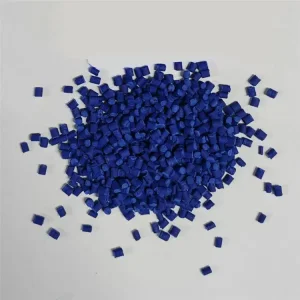
China High Concentration Blue Masterbatch PE Carrier

China High Concentration Blue Masterbatch PE Carrier for Plastic Injection Blowing Film Coloring Company, Factories

View Details & Specification

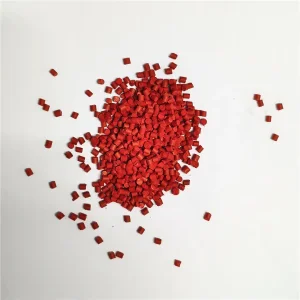
High-Quality High Concentration PE Red Masterbatch

High-Quality High Concentration PE Red Masterbatch Bright Color 260°C Heat Resistant for Blown Film Injection Extrusion Coloring Factories, Manufacturers

View Details & Specification

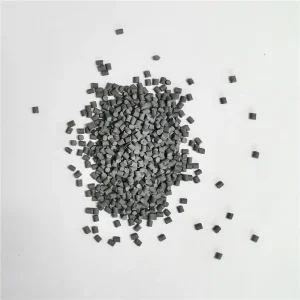
China High Concentration PE Grey Masterbatch

China High Concentration PE Grey Masterbatch Non-migration Heat Resistant for Blown Film Injection Extrusion Plastic Coloring Manufacturer, Manufacturers

View Details & Specification

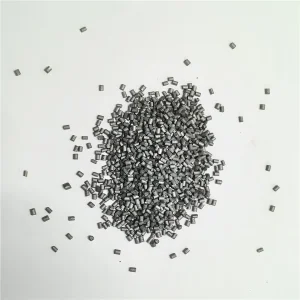
Custom High Concentration PE Silver Masterbatch

Custom High Concentration PE Silver Masterbatch Anti-fading High Weather Resistance for Blown Film Injection Extrusion Plastic Coloring Factory, Manufacturer

View Details & Specification

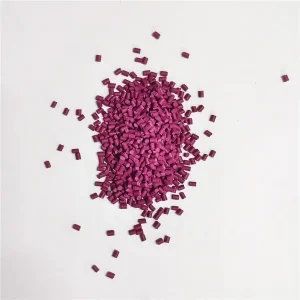
Cheap High Concentration PE Rose Red Masterbatch

Cheap High Concentration PE Rose Red Masterbatch Anti-fading Heat Resistant for Blown Film Injection Extrusion Plastic Coloring Factories, Suppliers

View Details & Specification

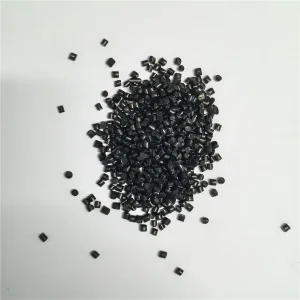
China High Concentration PE Black Masterbatch

China High Concentration PE Black Masterbatch Eco-friendly 260°C Heat Resistant for Blown Film Injection Extrusion Plastic Coloring Suppliers, Supplier

View Details & Specification

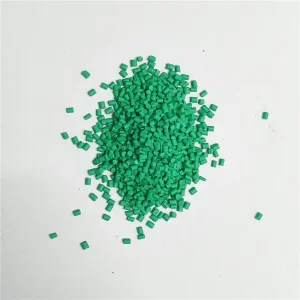
Custom High Concentration PE Green Masterbatch

Custom High Concentration PE Green Masterbatch Anti-fading Heat Resistant for Injection Blown Film Extrusion Plastic Coloring Company, Manufacturer

View Details & Specification

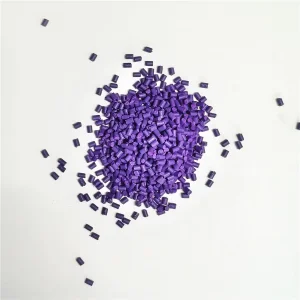
Cheap High Concentration PE Purple Masterbatch

Cheap High Concentration PE Purple Masterbatch Anti-fading Stable Color for Blown Film Injection Extrusion Plastic Coloring Supplier, Manufacturers

View Details & Specification

Executive Summary: Engineering Optical Perfection in Polymeric Materials

A White Paper on Custom Optical Brightener Masterbatch Formulations, Dispersion Physics, and Global Sourcing Economics.

In modern polymer processing, visual appeal, whiteness intensity, and chromatic brilliance directly dictate market value across consumer packaging, synthetic fibers, automotive components, and medical devices. Optical Brightener Masterbatch (OBM)—also recognized as Fluorescent Whitening Agent (FWA) Masterbatch—represents a sophisticated chemical technology designed to neutralize intrinsic polymer yellowness, enhance surface brightness, and elevate perceived product quality.

Thermoplastic resins such as Polyethylene (PE), Polypropylene (PP), Polystyrene (PS), Polycarbonate (PC), and Polyester (PET) inherently absorb violet-blue light during heat processing, resulting in a subtle yellow tint caused by thermal degradation, polymer oxidation, or catalyst residues. Custom optical brightener masterbatches circumvent this physical limitation by absorbing invisible ultraviolet (UV) radiation (wavelength range: 340 nm to 390 nm) and re-emitting it as visible blue-violet light (wavelength range: 420 nm to 470 nm). This shift in electromagnetic wavelength—known scientifically as the Stokes Shift—visually masks yellowness and delivers a dazzling, brilliant white finish that standard white pigments (such as Titanium Dioxide, TiO₂) cannot achieve alone.

340-390nm
UV Absorption Spectrum
300°C+
Max Thermal Stability
99.5%
Active Chemical Purity
0.05-0.5%
Recommended Dosage Rate

Technical Fundamentals: Chemical Structure & Dispersion Dynamics

Selecting the optimal fluorescent whitening agent compound based on processing temperature, resin compatibility, and lightfastness requirement.

OB-1 (2,2'-(1,2-ethenediyl)bis(benzoxazole))

Thermal Resistance: Up to 350°C | Primary Resins: PET, PC, PA, ABS, Rigid PVC

OB-1 is an ultra-high temperature organic optical brightener ideal for engineering plastics and synthetic polyester fibers. It provides an intense greenish-blue fluorescent hue with low volatility during high-speed melt processing.

OB (2,5-thiophenediylbis(5-tert-butyl-1,3-benzoxazole))

Thermal Resistance: Up to 220°C | Primary Resins: LLDPE, HDPE, PP, Soft PVC, PS

Characterized by extraordinary solubility in polyolefins and rubber matrices. OB delivers a brilliant neutral white shade, excellent lightfastness, and strong resistance to migration and surface blooming in flexible packaging films.

KCB (1,4-bis(2-benzoxazolyl)naphthalene)

Thermal Resistance: Up to 210°C | Primary Resins: EVA, Footwear Compounds, Film Extrusion

Favored for synthetic leather, EVA foam soles, and high-clarity plastic sheets. KCB exhibits outstanding light stability and yields a vivid reddish-blue fluorescence that creates an exceptional visual "ice blue" whiteness.

KSN (4,4'-bis(5-methyl-2-benzoxazolyl)stilbene)

Thermal Resistance: Up to 300°C | Primary Resins: PA, Polyester, PC, Film Blown

Highly effective in combatting severe discolored post-consumer recycled (PCR) resin. KSN possesses superior migration resistance and high whitening efficiency even at sub-0.05% concentration levels.

Masterbatch Compound Selection Guide for Procurement Managers

Optical Brightener Type Active Concentration Carrier Resin Compatibility Melt Temperature (°C) Substrate Applications Key Performance Advantage
OBM-Standard PE 1% - 10% LDPE / LLDPE / HDPE 160 - 240 Blown Film, Shopping Bags, Pipes Excellent dispersion, cost-effective dosing
OBM-High Temp PET/PC 5% - 15% PET / PC / PBT 260 - 320 Preforms, Bottles, Automotive Sheets Zero sublimating, high thermal durability
OBM-PP Fiber Grade 2% - 8% PP Homopolymer / Random 200 - 260 Staple Fiber, Non-woven Fabrics Non-clogging filter pack value (FPV < 0.5 bar/g)
OBM-Recycled PCR Masterbatch 5% - 20% Universal Polyolefins 170 - 250 Recycled Pellets, PCR Packaging Neutralizes yellowing index (YI < -10)

Why Global Enterprises Partner with China Masterbatch Manufacturers

Scale efficiencies, chemical integration, high-torque twin-screw extrusion, and customized B2B OEM capabilities.

1. Fully Integrated Supply Chain

China hosts the world's most concentrated chemical synthesis hubs for benzoxazole derivative compounds (OB, OB-1, KCB). By co-locating masterbatch compounding plants near chemical synthesis clusters, Chinese manufacturers secure direct, high-purity active raw materials at baseline costs, guaranteeing stable pricing for international B2B buyers.

2. Advanced Extrusion & Nano-Dispersion

Utilizing high-torque co-rotating twin-screw extruders with L/D ratios of 44:1 to 48:1, Chinese masterbatch factories ensure that micron-sized optical brightener particles are perfectly wet, encapsulated, and homogeneously distributed inside carrier resins without agglomeration or hot-spot breakdown.

3. Custom Carrier & Multi-Functional Formulations

Leading Chinese suppliers do not just sell stock masterbatches. They manufacture custom color matching and multi-functional masterbatches combining Optical Brighteners with UV Stabilizers (HALS), Anti-oxidants (AO 1010/168), Anti-static Agents, and Processing Aids in a single pelletized solution.

Global Industry Trends & Macro Market Outlook

Navigating circular economy mandates, post-consumer recyclates (PCR), and non-migratory chemical regulations.

1. The Circular Economy & PCR Plastic Rejuvenation

As global regulations enforce mandatory minimum percentages of Post-Consumer Recycled (PCR) plastics in packaging (such as the EU Packaging and Packaging Waste Regulation), plastic re-processors face severe aesthetic challenges. Repeated thermal processing cycles degrade polymers, generating conjugated double bonds that induce yellow-brown discoloration. Custom Optical Brightener Masterbatch has become an indispensable additive for recyclers, restoring the initial Hunterlab Whiteness Index (CIE WI) of PCR HDPE, PCR PET, and PCR PP pellets without compromising structural integrity.

2. Regulatory Compliance: REACH, RoHS, FDA, and No-Migration Engineering

Modern B2B procurement demands strict adherence to chemical safety standards. Top-tier Chinese masterbatch suppliers engineer low-volatility, migration-free formulations certified under REACH (SVHC compliance), RoHS 3.0, and FDA 21 CFR 178.3297 for food-contact plastics. By preventing molecular migration into food, liquids, or cosmetics, advanced optical masterbatches preserve both safety and shelf aesthetics.

3. Micro-Pelletization & Automated Dosing Precision

Industry 4.0 smart factories utilize gravimetric feeding systems requiring uniform pellet size and dust-free compounding. Chinese manufacturers are transitioning to underwater micro-pelletization technologies, yielding uniform spherical masterbatch granules (1.5mm - 2.0mm) that ensure steady dosing accuracy, zero hopper bridge formation, and rapid extrusion plasticization.

Industrial Application Scenarios & Engineering Solutions

Tailored optical brightener systems for specialized plastic processing machinery.

Blown Film Extrusion

Products: Agricultural greenhouse films, courier mailer bags, milk packaging, stretch films.

Technical Solution: Low-dose PE-based optical masterbatch with high lightfastness. Eliminates surface haze, boosts film transparency, and delivers high opacity visual whiteness when combined with Titanium Dioxide (TiO₂).

Injection Molding

Products: Home appliance housings, automotive interior trim, medical disposables, crates.

Technical Solution: High thermal stability masterbatch formulation resistant to long melt residence times in injection barrels. Prevents yellowing at high shear stress rates and maintains batch-to-batch color consistency.

Synthetic Fiber Spinning

Products: Polyester staple fiber (PSF), PP non-woven spunbond fabrics, carpet yarns.

Technical Solution: Ultra-filtered melt spinneret grade masterbatch with zero coarse particle agglomeration. Protects delicate spinning nozzles from clogging while instilling a permanent white brilliance into synthetic threads.

Global B2B Procurement Framework: Total Cost & Quality Control

Evaluating Total Cost of Ownership (TCO), Quality Assurance Protocols, and Logistics Lifecycle.

When global buyers transition from raw powder optical brightener additives to pre-dispersed Masterbatches, the Total Cost of Ownership (TCO) drops significantly. Raw powders create environmental contamination, health risks for operators, hopper bridging, and inconsistent dispersion. Masterbatches deliver turnkey, dust-free dosing directly into extruders.

Standardized Quality Control Protocols (QA/QC Testing)

To verify structural compliance and masterbatch performance, premier China suppliers execute rigorous batch laboratory testing prior to shipment:

  • Spectrophotometer Color Measurement (CIE L*a*b* & Whiteness Index): Spectrophotometric analysis under D65 standard illuminant to ensure precise chromaticity and yellow index reduction.
  • Filter Pressure Value (FPV) Testing (EN 13900-5): Measures dispersion quality and pigment particle distribution across fine mesh screen packs.
  • Melt Flow Index (MFI) Matching (ASTM D1238): Guarantees the masterbatch melt viscosity perfectly matches the customer's base matrix resin melt index.
  • Thermogravimetric Analysis (TGA): Verifies thermal decomposition thresholds and active chemical active loading percentage.

Complete Masterbatch Series Solutions

Explore our complete high-concentration pigment and additive masterbatch product catalog.
Custom High Concentration PE Silver Masterbatch

Custom High Concentration PE Silver Masterbatch Anti-fading High Weather Resistance for Blown Film Injection Extrusion Plastic Coloring Factory, Manufacturer

View Details & Specification

Cheap High Concentration PE Rose Red Masterbatch

Cheap High Concentration PE Rose Red Masterbatch Anti-fading Heat Resistant for Blown Film Injection Extrusion Plastic Coloring Factories, Suppliers

View Details & Specification

China High Concentration PE Black Masterbatch

China High Concentration PE Black Masterbatch Eco-friendly 260°C Heat Resistant for Blown Film Injection Extrusion Plastic Coloring Suppliers, Supplier

View Details & Specification

Custom High Concentration PE Green Masterbatch

Custom High Concentration PE Green Masterbatch Anti-fading Heat Resistant for Injection Blown Film Extrusion Plastic Coloring Company, Manufacturer

View Details & Specification

Cheap High Concentration PE Purple Masterbatch

Cheap High Concentration PE Purple Masterbatch Anti-fading Stable Color for Blown Film Injection Extrusion Plastic Coloring Supplier, Manufacturers

View Details & Specification

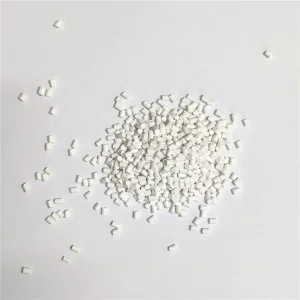
Custom High Concentration PE White Masterbatch

Custom High Concentration PE White Masterbatch Non-toxic Weather Resistant for Injection Molding Blown Film Extrusion Plastic Coloring Companies, Suppliers

View Details & Specification

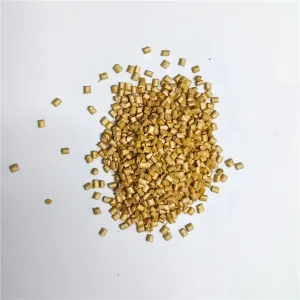
High-Quality High Concentration PE Gold Masterbatch

High-Quality High Concentration PE Gold Masterbatch Anti-fading Heat Resistant for Injection Blown Film Extrusion Plastic Coloring Factory, Supplier

View Details & Specification

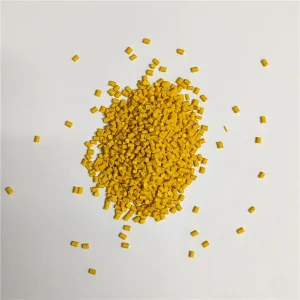
Custom High Concentration PE Yellow Masterbatch

Custom High Concentration PE Yellow Masterbatch Non-toxic Anti-migration for Blown Film Injection Extrusion Coloring Suppliers, Manufacturer

View Details & Specification

Frequently Asked Questions (FAQ) & Technical Insights

Expert solutions to common challenges in optical brightener masterbatch selection, dosing, and compounding.

Q: What is the standard recommended addition rate (dosage) for Optical Brightener Masterbatch?
The typical let-down ratio ranges between 0.5% and 2.0% (5kg to 20kg per ton of virgin resin), depending on the active concentration of the masterbatch (which usually contains 1% to 10% pure active fluorescent agent). For transparent polyolefin films, lower dosages (0.1% - 0.5%) are recommended to prevent over-saturation blue casting, while recycled PCR polymers may require up to 2.0% dosage to fully neutralize deep yellow tones.
Q: What causes plastic products to turn green or purple when using Optical Brightener Masterbatch?
This issue—known as "over-brightening" or pigment saturation—occurs when the masterbatch dosage exceeds the maximum light absorption capacity of the polymer matrix. When optical brighteners are over-dosed, excess fluorescent molecules aggregate and reflect light at unintended wavelength bands (shifting from cool blue-violet to greenish hues). Lowering the dosage rate or adjusting the carrier resin formula resolves this defect immediately.
Q: Can Optical Brightener Masterbatch be used together with Titanium Dioxide (TiO₂) White Masterbatch?
Yes, combining Optical Brightener Masterbatch with TiO₂ creates a powerful synergistic whitening effect. While TiO₂ provides physical opacity and primary white color scattering, the optical brightener absorbs UV light and emits blue fluorescence, masking the slight yellow undertone inherent to Titanium Dioxide (especially rutile grades). This combination yields a premium "snow white" or "ice blue white" appearance impossible to achieve with TiO₂ alone.
Q: How do I prevent migration or "blooming" of optical brighteners to the plastic surface?
Migration happens when the active chemical compound (e.g., OB) has poor solubility in the specific base polymer matrix. To eliminate migration, select a tailored masterbatch formulation designed for your exact substrate: use OB for polyolefins (PE/PP), OB-1 for high-temperature polyesters and engineering plastics (PET/PC), and KCB or KSN for flexible PVC and EVA formulations. Additionally, choosing a masterbatch with identical carrier resin chemistry prevents chemical phase separation.
Q: What is the shelf life and storage requirement for Custom Optical Brightener Masterbatch?
When stored in original sealed moisture-barrier bags in a cool, dry, dark environment (below 30°C away from direct UV sunlight exposure), high-quality masterbatch pellets retain full chemical efficacy for up to 24 months. Ensure bags are tightly re-sealed after opening to prevent moisture absorption on hygroscopic carrier resins.
Q: How does thermal processing temperature affect optical brightener performance?
Every organic fluorescent compound possesses a specific thermal degradation threshold. Standard OB degrades at temperatures above 230°C, causing loss of fluorescence and severe yellowing. For engineering resins processed between 260°C and 340°C (such as PET, PA66, and PC), OB-1 or KSN masterbatches must be used due to their specialized rigid aromatic ring chemistry that withstands extreme heat without decomposition.