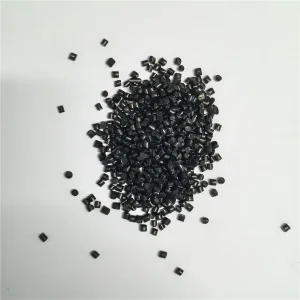
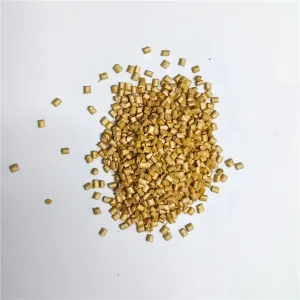
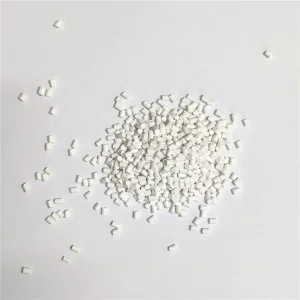
Premium-grade color masterbatches manufactured with virgin PE carrier resins for blown film, injection molding, and profile extrusion applications.
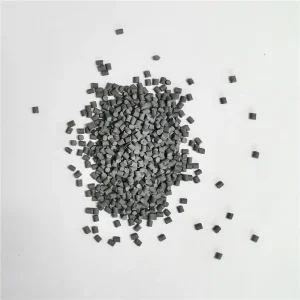
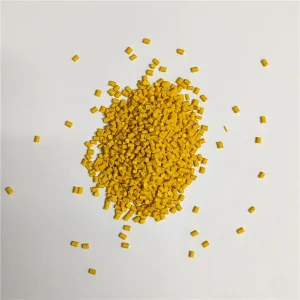
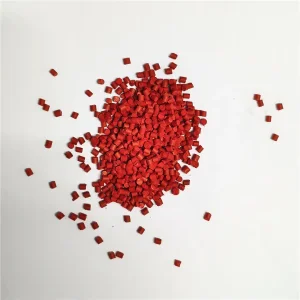
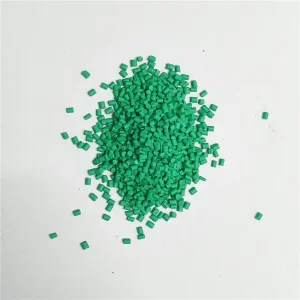
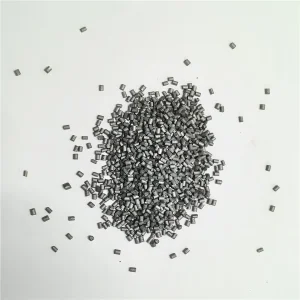
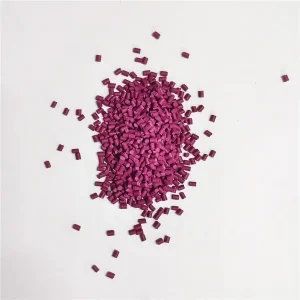
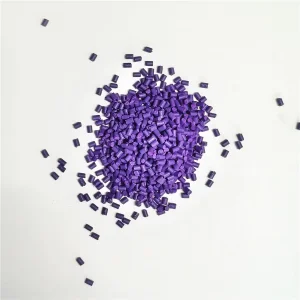
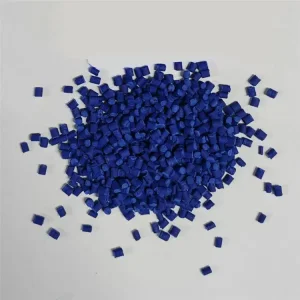
A comprehensive technical overview of Custom Polyethylene (PE) Color Concentrate manufacturing, pigment micro-dispersion dynamics, and thermoplastic compounding optimization.
In modern industrial plastic processing, achieving uniform, vibrant, and durable coloration without compromising the mechanical integrity of the base polyolefin matrix requires advanced chemical engineering. A premier Custom PE Color Concentrate Factory & Manufacturer must balance melt flow behavior, pigment particle agglomeration limits, thermomechanical shear during extrusion, and long-term environmental stability.
Polyethylene (PE)—spanning Low-Density Polyethylene (LDPE), Linear Low-Density Polyethylene (LLDPE), and High-Density Polyethylene (HDPE)—presents specific processing requirements due to its semi-crystalline structure. Custom color concentrates (masterbatches) solve the operational vulnerabilities of direct powder coloring, such as atmospheric contamination, uneven dispersion, feed hopper segregation, and variable melt rheology.
Technical Insight: Superior color concentrate performance relies on matching the Melt Flow Index (MFI) of the masterbatch carrier resin with the target base polymer. A mismatch in MFI can lead to phase separation, surface streaking, reduced impact strength, and severe pinhole formation during thin-film extrusion.
To produce non-migrating, highly stable color masterbatches, manufacturers utilize high-shear twin-screw co-rotating extruders integrated with multi-stage loss-in-weight gravimetric feeders. Pigments—whether inorganic (such as Titanium Dioxide TiO₂, Carbon Black, Iron Oxides) or organic (Phthalocyanines, Quinacridones, Azo pigments)—are naturally prone to forming hard agglomerates.
The manufacturing process breaks these agglomerates down to sub-micron primary particles. Specialized dispersants and wetting agents (such as low-molecular-weight polyethylene waxes and zinc stearates) encapsulate each pigment particle, reducing interfacial tension and preventing re-agglomeration during subsequent extrusion or injection molding processes.
Why leading global plastics converters partner with specialized custom PE color masterbatch factories.
Formulations precisely engineered using exact carrier resin grades (MFI range 2 to 50 g/10min) to match your target LDPE, LLDPE, HDPE, or PP resin matrix, ensuring zero loss of tensile strength.
Formulated with high-heat-stable pigments capable of withstanding processing temperatures up to 260°C - 300°C without color fading, gas generation, or dye migration into contact surfaces.
Computerized spectrophotometer matching guarantees batch-to-batch color consistency with ΔE < 0.5, critical for corporate brand identities and high-volume packaging lines.
Fully compliant with global regulatory standards including US FDA 21 CFR, EU REACH, RoHS, EN71-3, and heavy-metal-free protocols for food contact and medical packaging.
The global demand for custom PE color concentrates is driven by rapid growth in flexible packaging, agricultural films, infrastructure pipes, and automotive components. As global regulations tighten around sustainability and plastic circularity, custom masterbatch factories play a vital role in formulating color concentrates compatible with Post-Consumer Recycled (PCR) and Post-Industrial Recycled (PIR) polyolefins.
Recycled resin streams often suffer from intrinsic discoloration (yellowing or grayish undertones) and inconsistent thermal histories. Advanced custom masterbatches incorporate optical brighteners, anti-oxidants, and neutralizers to restore vibrant color aesthetics while stabilizing the polymer against thermo-oxidative degradation.
| Property Parameter | Test Method Standard | Typical Values / Specifications | Industrial Application Significance |
|---|---|---|---|
| Carrier Resin Type | ASTM D1238 / ISO 1133 | Virgin LLDPE / LDPE / HDPE | Ensures 100% molecular compatibility with base polymer |
| Pigment Content (%) | ISO 3451-1 (Ash Content) | 30% - 70% (Customizable) | Determines tinting strength and let-down ratio economy |
| Melt Flow Index (MFI) | ASTM D1238 (190°C / 2.16 kg) | 2.0 - 45.0 g/10 min | Matches shear viscosity of target process (film vs injection) |
| Heat Resistance | DIN EN 12877-2 | 220°C - 300°C | Prevents thermal discoloration during high-speed molding |
| Light Fastness | ISO 105-B02 (Blue Wool Scale) | Grade 6 to 8 | Guarantees long-term outdoor UV non-fading performance |
| Filter Pressure Value (FPV) | EN 13900-5 | < 1.5 bar/g (Fine mesh) | Prevents filter screen clogging in ultra-thin film extrusion |
| Moisture Content | ASTM D6980 (Karl Fischer) | < 0.10% (1000 ppm) | Eliminates moisture voids, bubbles, and film spluttering |
Custom PE color masterbatches are engineered specifically to thrive under distinct industrial processing equipment and shear conditions:
Achieving total compliance in global supply chains requires rigorous testing standards. A trusted manufacturing facility operates under strict quality management systems (ISO 9001:2015) and environmental safety controls (ISO 14001:2015).
Each batch undergoes comprehensive laboratory analysis prior to dispatch:
The plastic coloration industry is undergoing a major technological transformation toward smart, sustainable, and circular manufacturing. Key emerging engineering developments include:
Expert solutions to common production challenges in plastic masterbatch selection, dosing, and compounding.
The standard Let-Down Ratio (dosing percentage) ranges between 1% and 4%, depending on the pigment concentration within the masterbatch, final wall/film thickness, and opacity requirements. For thin blown films (<25 microns), a 3% to 4% LDR of a high-pigment masterbatch is typical, whereas heavy-wall injection molded parts may achieve full opacity at 1% to 2% LDR.
Color streaks are primarily caused by un-dispersed pigment agglomerates, an MFI mismatch between the masterbatch carrier and the virgin PE resin, or insufficient back-pressure in the extruder screw. Selecting a custom masterbatch with a lower Filter Pressure Value (FPV < 1.5 bar/g) and matching MFI resolves this issue.
While PE carrier masterbatches are sometimes used in PP at low dosages (1-2%) for thin-wall items, it is generally recommended to match the carrier resin precisely. Using PE in PP can lower the Vicat softening temperature and cause minor optical haze or reduced impact strength due to polymer phase incompatibility.
Organic pigments exposed to temperatures exceeding their thermal limit (>240°C) undergo chemical degradation, causing noticeable color shifts (e.g., yellowing or darkening). Our custom heat-resistant series incorporates thermal stabilizers and organic-inorganic hybrid pigment systems rated up to 260°C - 300°C.
Yes. Custom formulations can be specified to comply strictly with US FDA 21 CFR 178.3297 (Colorants for Polymers) and EU Regulation No 10/2011. Heavy metal-free pigment selections ensure non-toxicity and zero heavy metal migration into food substances.
When stored in a dry, cool environment (<35°C) away from direct sunlight in unopened original moisture-barrier bags, high-quality PE color masterbatches retain their full tinctorial strength and processing characteristics for up to 24 months.
Explore our full catalog of specialized masterbatch formulations engineered for global plastic manufacturing excellence.