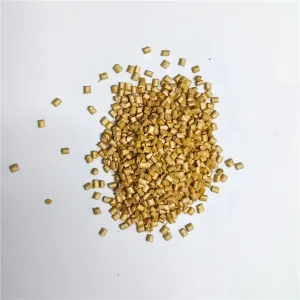
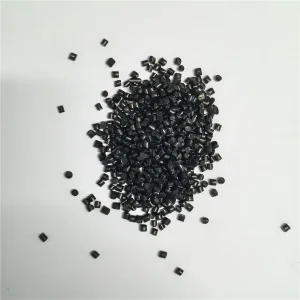
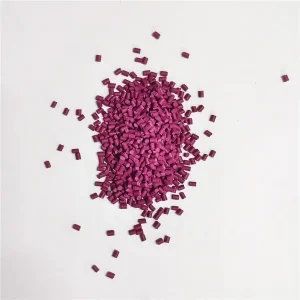
Precision-engineered PE-carrier color and functional masterbatches designed for blown film co-extrusion, agricultural greenhouse films, and high-durability polymer processing.
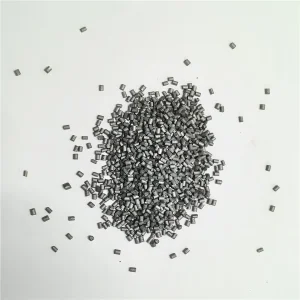
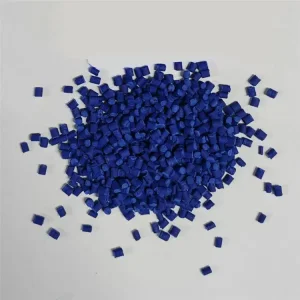
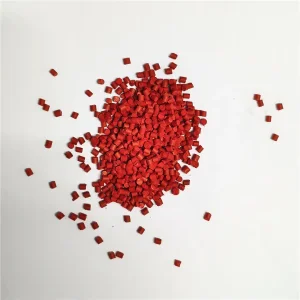
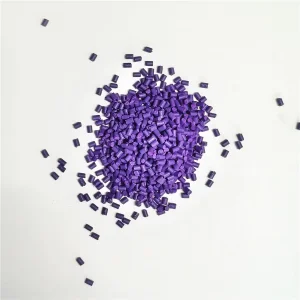
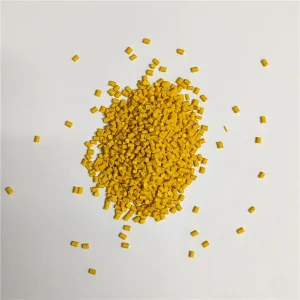
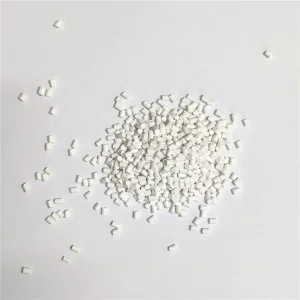
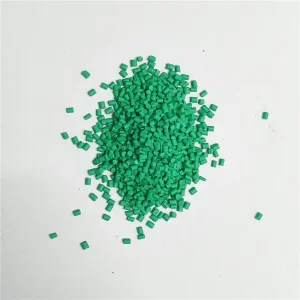
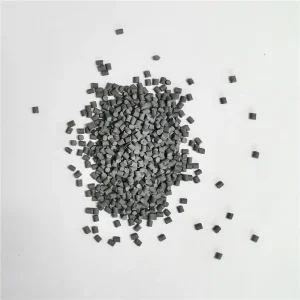
The global modern greenhouse film market is undergoing a structural transformation, driven by climate volatility, intensive high-value crop cultivation, and demanding sustainable yield targets. Polyethylene (PE) vegetable greenhouse films—specifically those based on Linear Low-Density Polyethylene (LLDPE), Low-Density Polyethylene (LDPE), and Metallocene LLDPE (mLLDPE)—form the structural backbone of Controlled Environment Agriculture (CEA). However, neat PE resin alone degrades rapidly under solar UV radiation, exhibits sub-optimal optical diffusion, allows excessive nocturnal thermal loss, and suffers from water condensation droplet formation that restricts Photosynthetically Active Radiation (PAR) transmission.
As a leading Custom PE Vegetable Greenhouse Film Masterbatch Company & Manufacturer, Changzhou Jiazhou Plastic Products Co., Ltd. engineer tailored functional and color masterbatch concentrates that convert commodity PE resins into high-value, photo-selective microclimate covers. The masterbatch manufacturing sector has evolved from supplying basic UV-stabilized concentrates to delivering complex, multi-functional additive cocktails integrated into 3-layer, 5-layer, and 7-layer co-extrusion blown film lines.
Modern growers require greenhouse films to maintain structural integrity and optical clarity for 24 to 48 months in regions exposed to solar radiation exceeding 160 to 200 Kly/year (Kilo-Langleys), such as the Mediterranean basin, the Middle East, Northern Mexico, and Australia. Furthermore, intensive application of agro-chemicals—specifically sulfur burners and chlorine-based pesticides—accelerates premature polymer degradation, requiring specialized NOR-HALS (amino-ether Hindered Amine Light Stabilizers) masterbatch chemistry.
Designing a high-performance custom PE masterbatch for agricultural film requires meticulous matching of melt flow index (MFI), carrier resin density, and particle dispersion metrics. A failure in dispersion leads to localized stress concentration points during blown film processing, resulting in micro-pinholes or bubble instability on high-speed extruder lines.
Our formulation protocol utilizes pristine virgin LLDPE/mLLDPE carrier matrices with a controlled Melt Flow Rate (MFR: 2.0 to 20 g/10 min at 190°C/2.16 kg). Matching the viscosity of the masterbatch carrier to the base film grade ensures uniform dispersion across co-extrusion layers without phase separation or optical haze distortion.
Solar UV radiation (290–400 nm) induces photo-oxidation in polyolefins, generating free radicals that cleave polymer chains. Our multi-component UV protection masterbatches combine:
Nocturnal thermal loss occurs when long-wave infrared radiation (FIR: 7,000–14,000 nm) escapes from the greenhouse interior. By incorporating synthetic hydrotalcites (layered double hydroxides), nano-calcined kaolin, and fine-particle barium sulfate into the PE masterbatch, we create a barrier layer that reflects FIR back into the greenhouse, maintaining soil temperature 2°C to 5°C higher than non-thermic films.
| Functional Additive | Active Ingredient Chemistry | Dosage in Film (%) | Primary Agronomic Benefit |
|---|---|---|---|
| UV Stabilizer Masterbatch | NOR-HALS + Triazine Absorbers | 1.5% - 4.0% | Prevents photo-degradation up to 48 months (180 Kly) |
| Thermic IR Masterbatch | Synthetic Hydrotalcite / Silicates | 3.0% - 7.0% | Blocks FIR heat radiation (7-14 μm); reduces frost risk |
| Anti-Fog / Anti-Drip | Polyglycerol Fatty Acid Esters | 2.0% - 5.0% | Eliminates light-blocking water droplets; prevents crop mold |
| Light Diffuser Masterbatch | Organic PMMA Beads / Spherical Silica | 1.0% - 3.0% | Converts direct light to diffuse PAR; eliminates harsh shadows |
Vegetable cultivation requirements vary substantially across different geographical microclimates. Custom masterbatch compounding allows film extruders to adjust functional properties based on local environmental stressors.
In regions such as Southern Spain (Almería), Turkey, Egypt, and the Gulf States, solar UV radiation levels are extreme. Tomatoes, cucumbers, and peppers grown in these regions require high-diffuse, UV-blocking films with strong sulfur tolerance. Our customized masterbatch incorporates heavy NOR-HALS loading combined with NIR-reflecting interference pigments to lower internal greenhouse temperatures during peak summer months.
In high-latitude zones (Netherlands, Pacific Northwest, Canada), maximizing total PAR light transmission while minimizing heating fuel consumption is paramount. Our custom PE masterbatch formulations for these markets feature highly purified synthetic hydrotalcites that offer clear transparency (over 88% PAR transmission) alongside maximum Far-Infrared retention.
In Southeast Asia and Latin America, high atmospheric moisture causes severe water condensation inside greenhouses. Water droplets act as mini-lenses that scorch delicate leaves and foster fungal pathogens like Botrytis cinerea. Our combined anti-fog and anti-drip masterbatches incorporate migratory surfactants that reduce water surface tension, forming a continuous thin water sheet that drains harmlessly down the greenhouse gutters.
The agricultural plastic film sector faces growing regulatory pressure regarding microplastic pollution and end-of-life film disposal. As a forward-thinking PE Masterbatch Manufacturer, our R&D roadmap focuses on three sustainable technological pillars:
Developing functional masterbatches designed to stabilize Post-Consumer Recycled (PCR-PE) resins. Our antioxidant and restabilization masterbatches repair degraded PE chains during recycling extrusions.
Integrating fluorescent photoselective organic pigments that absorb un-utilized green or UV light spectrums and re-emit them as photosynthetically productive red wavelengths (660 nm) to boost plant photosynthesis.
Utilizing advanced multi-screw extrusion lines with online optical image processing to achieve ultra-low Filter Pressure Values (FPV < 0.5 bar/g), eliminating film blowouts on thin 50-micron films.
To ensure consistent performance across international supply chains, Changzhou Jiazhou Plastic Products Co., Ltd. operates under strict ISO 9001:2015 Quality Management Systems. Each masterbatch batch undergoes rigorous laboratory testing prior to dispatch:
Expert responses to critical engineering, formulation, and application questions for agricultural plastic processors and growers.
The carrier resin MFI should closely match or be slightly higher than the base LDPE/LLDPE resin used in your blown film line—typically between 2.0 and 8.0 g/10 min (at 190°C/2.16 kg). Matching MFI ensures thorough dispersion without creating interfacial shear stress or visual gel spots in thin co-extruded layers.
Standard HALS additives are basic chemistry that reacts with acidic sulfur and chlorine species (from pesticide spraying or sulfur burning), rendering the UV stabilizer inactive. NOR-HALS (amino-ether HALS) has a non-basic chemical structure that does not react with acidic agro-chemicals, maintaining long-term UV protection even at sulfur concentrations up to 3,000 ppm.
For a 150-micron LLDPE film exposed to ~160 Kly/year, a typical masterbatch addition rate is 4% to 6% of high-concentration UV/HALS masterbatch. If incorporating anti-fog and thermic IR additives into a 3-layer co-extrusion line, the outer layer receives UV masterbatch, the middle layer receives thermic IR masterbatch (5-8%), and the inner layer receives anti-fog masterbatch (3-5%).
Direct sunlight creates harsh shadows and hot spots, scorching top leaves while under-illuminating lower crop canopies. Light-diffusing masterbatch scatters incoming PAR light in multiple directions, allowing light to penetrate deeper into dense vegetable foliage (such as vine tomatoes and cucumbers), increasing overall photosynthetic efficiency and crop yields by 10% to 20%.
Yes. We regularly produce combo-masterbatches that unite specific pigments (e.g., photo-selective green/yellow or signal colors) with functional UV stabilizers, anti-block, and processing aids in a single masterbatch pellet. This simplifies dosing for single-screw extrusion lines and reduces storage overhead for film manufacturers.
High-concentration pigment masterbatches engineered for maximum heat resistance, anti-migration stability, and weatherability across all blown film and injection molding applications.