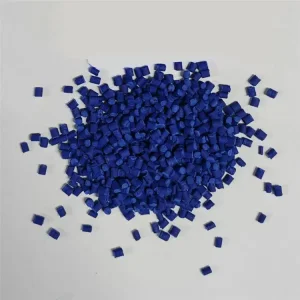
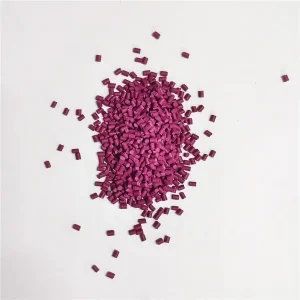
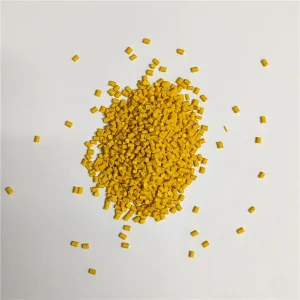
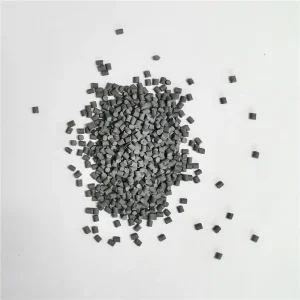
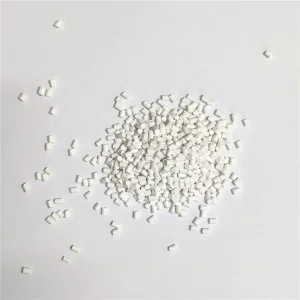
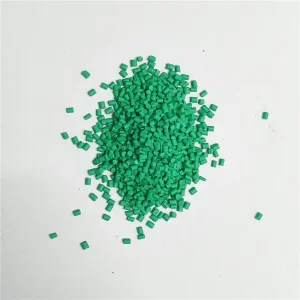
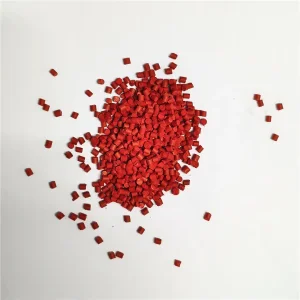
Explore our core color and functional masterbatch formulations engineered for injection molding, blown film, and high-pressure extrusion processing.
An In-Depth Engineering Analysis of Polyolefin Polymer Stabilization, Dispersion Micro-Rheology, and Infrastructure Reliability.
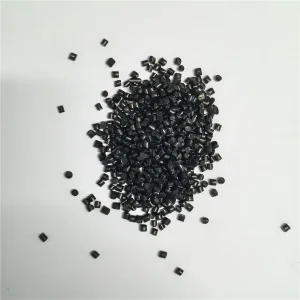
In modern infrastructure engineering, polyethylene (PE) piping networks form the invisible vascular system of global civilization. From high-pressure municipal water distribution (PE100 and PE100-RC) and natural gas lines to subsea conduits, agricultural drip irrigation systems, and power cable ducting, the structural integrity of polyolefin pipes is non-negotiable. At the nucleus of this performance lies Pipe Special Black PE Masterbatch—a highly specialized pigment and additive concentrate designed to protect polymers against ultraviolet (UV) photo-oxidation, thermo-oxidative degradation, and Environmental Stress Cracking (ESC).
The global market for pipe-grade black masterbatch has evolved into a highly technical, zero-defect manufacturing sector. Unlike commodity masterbatches used in single-use packaging or non-critical consumer goods, pipe-special masterbatch must meet rigorous international standards such as ISO 4427, EN 12201, GB/T 13663, and ASTM D3350. These benchmarks dictate that the extruded pipe must maintain a service lifespan exceeding 50 to 100 years under harsh environmental stress, continuous hydrostatic pressure, and relentless sunlight exposure.
Achieving this level of durability requires masterbatch manufacturers to master complex compounding dynamics. The masterbatch formulation must seamlessly integrate pristine, fine-particle furnace carbon black (typically P-type pigment with low polycyclic aromatic hydrocarbons) into a bimodal virgin virgin carrier resin. A single agglomerate larger than 50 microns can act as a stress concentration point, leading to premature crack initiation under notch testing or slow crack growth (SCG) failure.
Deconstructing the tri-component system: Furnace Carbon Black, Bimodal PE Carrier Resins, and Antioxidant Synergists.
The foundation of pipe special black masterbatch rests on P-type (Pipe Grade) furnace carbon black. Characterized by a primary particle size of 15 to 25 nanometers and a high Nitrogen Surface Area (BET 100-150 m²/g), this specialized carbon black effectively absorbs solar radiation across the entire UV spectrum (290nm–400nm), preventing photo-catalytic cleavage of polymer chains.
To prevent phase separation and melt fracture during pipe extrusion, the carrier polymer must match the melt flow rate (MFR) and molecular weight distribution (MWD) of the base pipe resin. Premium manufacturers utilize bimodal LLDPE or HDPE carrier resins with narrow molecular weight distributions to ensure flawless distributive and dispersive mixing.
During thermal processing at 200°C–240°C, polymers suffer thermo-oxidative degradation. Pipe special black masterbatches incorporate a synergistic stabilizer package combining primary hindered phenolic antioxidants (for long-term thermal stability) and secondary phosphite processing stabilizers (to prevent melt index shifts).
How Changzhou Jiazhou Plastic Products Co., Ltd. delivers world-class quality at scalable commercial costs.
China has consolidated its position as the world's primary engine for plastic compounding and masterbatch manufacturing. Modern industrial clusters, such as Changzhou in Jiangsu Province, house state-of-the-art facilities like Changzhou Jiazhou Plastic Products Co., Ltd. (founded in 2010), combining 16+ years of specialized technical expertise with expansive 6,000m² automated compounding operations.
The efficiency advantage of Chinese masterbatch manufacturing is built on three core structural pillars:
Utilizing co-rotating twin-screw extruders with high length-to-diameter (L/D) ratios (44:1 to 52:1), Chinese plants achieve intense shear forces necessary to break down carbon black agglomerates down to sub-micron levels, maximizing throughput while minimizing unit energy consumption.
Direct proximity to world-scale polyolefin cracking complexes in the Yangtze River Delta gives manufacturers direct access to consistent, high-purity virgin PE resins and specialized pigment feedstocks at optimized bulk procurement pricing.
Underwater pelletizing systems produce spherical, dust-free micro-pellets with uniform dimensions. Real-time melt pressure testing (MPV) and online optical scanning guarantee batch-to-batch consistency for seamless integration into customer extruders.
Verifiable performance metrics governing custom pipe black masterbatch production.
Global engineering procurement teams require verifiable compliance certificates before approving masterbatch suppliers. The table below outlines the core technical parameters engineered into high-grade custom pipe special black PE masterbatch:
| Test Property | Testing Standard | Target Technical Specification | Engineering Significance |
|---|---|---|---|
| Carbon Black Content | ISO 6964 / ASTM D1603 | 40.0% - 50.0% (± 1.5%) | Ensures 2.0-2.5% final carbon black content in extruded pipe for UV protection. |
| Carbon Black Dispersion | ISO 18553 | Rating ≤ Grade 3 / Agglomerate size < 20μm | Prevents localized stress concentrations and preserves hydrostatic strength. |
| Oxidation Induction Time (OIT) | ISO 11357-6 / ASTM D3895 | ≥ 30 to 60 Minutes at 200°C | Guarantees 50+ years of thermo-oxidative resistance in buried environments. |
| Melt Flow Index (MFI) | ISO 1133 (190°C / 21.6kg) | 5.0 - 15.0 g/10min (Tailored to pipe resin) | Prevents viscosity mismatch during co-extrusion and mono-extrusion. |
| Moisture Content | ASTM D6980 (Karl Fischer) | < 0.05% (500 ppm) | Eliminates voids, pinholes, and surface micro-foaming during pipe extrusion. |
| Density | ISO 1183 | 1.10 - 1.25 g/cm³ | Indicates exact loading of high-purity carbon black and carrier balance. |
Tailored masterbatch solutions for demanding piping sub-sectors globally.
Demands ultra-clean P-type carbon black masterbatch with zero volatile impurities. The masterbatch guarantees long-term resistance to slow crack growth (SCG) and rapid crack propagation (RCP) under internal hydrostatic pressure up to 16-25 bar.
Requires masterbatches formulated for thin-wall LLDPE tube extrusion. Excellent carbon black dispersion prevents screen pack clogging during high-speed extrusion while providing 100% opacity against internal algae growth.
Engineered for high ring-stiffness HDPE corrugated pipes. Provides superior heat dissipation during wall cooling and enhances stiffness without embrittling the corrugated structural ribs.
Essential evaluation metrics for international B2B buyers and EPC contractors.
When global purchasing teams evaluate Chinese masterbatch suppliers for multi-million-dollar infrastructure tenders, technical verification must go beyond pricing per metric ton. A comprehensive quality auditing framework includes:
According to EN 13900-5, FPV measures the pressure buildup across a fine mesh filter (e.g., 25 microns or 1400 mesh). Low FPV values (< 0.5 bar/g) confirm the absence of un-dispersed agglomerates, preventing line breaks and filter changes on extrusion lines.
TGA testing under nitrogen atmosphere verifies the exact percentage of carbon black loading, inorganic ash residue (< 0.1%), and thermal stability limits before volatile degradation begins.
For drinking water pipes (NSF/ANSI 61, WRAS, DVGW approval), the masterbatch must strictly comply with RoHS, REACH SVHC, and European Regulation (EU) No 10/2011 regarding food/water contact safety.
Next-generation formulations integrating post-consumer recycled resins and fluoropolymer-free processing aids.
The plastic pipe manufacturing sector is undergoing a profound transition toward decarbonization and sustainability. Industry leaders are focusing R&D efforts on three breakthrough vectors:
1. Post-Consumer Recycled (PCR) Carrier Systems: Developing masterbatches using 100% traceably sourced recycled PE carriers without compromising thermal oxidation stability or dispersion quality, enabling non-pressure pipe manufacturers to meet stringent circular economy mandates.
2. PFAS-Free Polymer Processing Aids (PPA): In response to global regulatory restrictions on per- and polyfluoroalkyl substances (PFAS), advanced pipe masterbatches are incorporating novel non-fluorinated processing aids that eliminate melt fracture (sharkskin) and reduce die build-up during high-output pipe extrusion.
3. Hyper-Concentrated Carbon Black Masterbatch (up to 50%-55% loading): Utilizing advanced surface-treated carbon black pigments and specialized dispersants to increase active carbon loading while maintaining fluid melt rheology, significantly reducing international shipping costs and carbon footprints per unit of active pigment.
Direct factory supply of high-concentration color, black, white, and filler masterbatches engineered for maximum processing efficiency.
Expert engineering responses to common queries regarding pipe masterbatch processing and procurement.