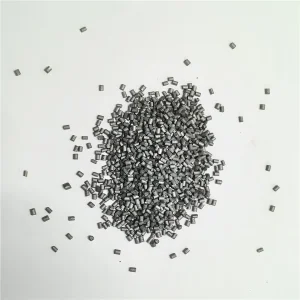
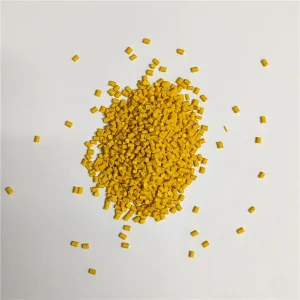
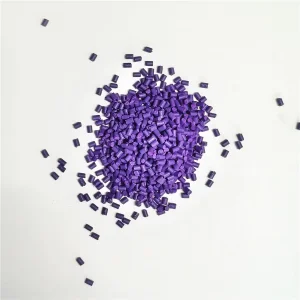
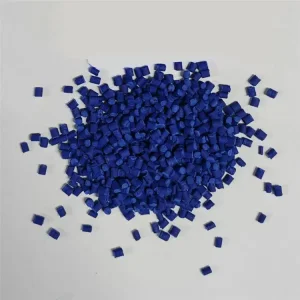
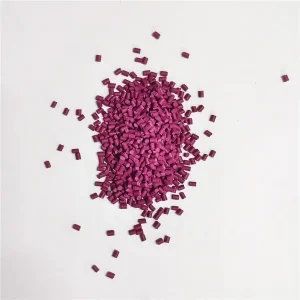
Engineered for Blown Film, Injection Molding, and Industrial Extrusion Processes
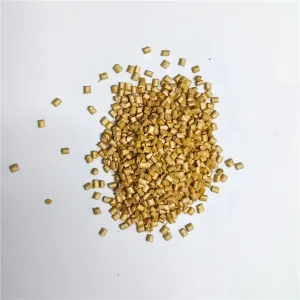
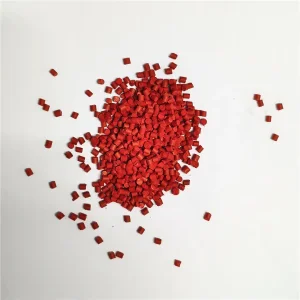
Economic drivers, consumption metrics, and compounding technologies shaping the color masterbatch sector
The global plastic masterbatch market represents a pivotal nexus within the modern chemical and materials processing industry. Valued at over USD 12.5 Billion in 2023 and projected to expand at a compound annual growth rate (CAGR) of 5.4% through 2030, masterbatch technology serves as the primary mechanism for imparting color, UV protection, antistatic performance, and mechanical enhancements into raw virgin and recycled synthetic polymers.
In the contemporary B2B manufacturing landscape, direct pigment powder coloration has been overwhelmingly phased out in favor of solid plastic masterbatch concentrates. Liquid colorants and dry pigments present severe operational liabilities, including airborne dust contamination, equipment fouling, extended changeover cleaning cycles, and erratic color distribution (Delta E variances > 1.5). Modern high-efficiency plastic processing demands pre-dispersed, encapsulated pigment matrices that melt seamlessly into polyolefin (PE, PP), engineering plastic (ABS, PC, PA), and polyester resin streams.
The market is broadly bifurcated into four key functional segments, each serving distinct manufacturing imperatives:
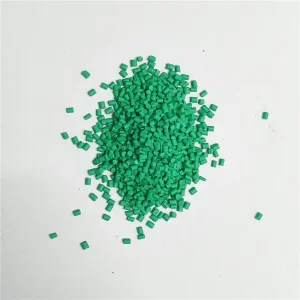
Formulated using organic (phthalocyanines, quinacridones, azo dyes) and inorganic pigments (iron oxides, chrome yellows). High-concentration loading ranges from 20% to 65%, providing targeted hue fidelity and opacity for consumer and industrial plastics.
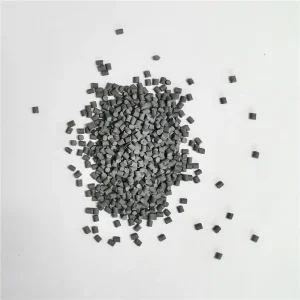
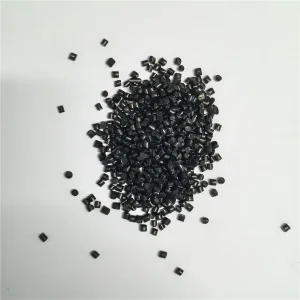
Utilizes specialized Carbon Black (furnace, channel, or thermal black) with primary particle sizes ranging from 15nm to 60nm. Engineered for extreme jetness, UV stabilization, and conductivity in geomembranes, pipes, and agricultural films.
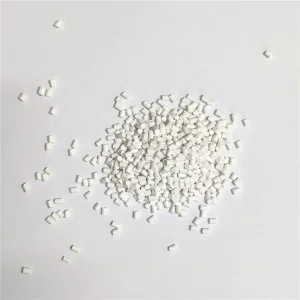
Based on Rutile or Anatase Titanium Dioxide (TiO₂) with coating treatments (Al₂O₃, SiO₂, Silane). Delivers maximum refractive index (2.73), high brightness, superior hiding power, and UV resistance across film and molding sectors.
Combines functional inorganic compounds like micronized Calcium Carbonate (CaCO₃), Talc, or Sodium Sulfate with functional additives (Antioxidants, UV Stabilizers, Slip Agents, Flame Retardants) to optimize processability and unit economics.
Decarbonization, circular polymer matrices, and smart color matching systems driving the next generation of masterbatch supply
With strict global mandates on Post-Consumer Recycled (PCR) plastic content (such as EU packaging waste directives targeting >30% recycled content by 2030), masterbatch formulations are evolving. Advanced carriers are now tailored to match yellowed or degraded recycled base resins (rPE, rPP, rPET), employing neutralizing optical brighteners and radical scavengers to stabilize mechanical integrity.
Conventional carbon black masterbatches absorb Near-Infrared (NIR) radiation used by automated material recovery facility (MRF) optical sorters, rendering black plastic waste unclassifiable. Industry leaders are pivoting to non-reflective NIR-detectable black dyes and heavy-metal-free organic pigments complying with strict REACH SVHC and RoHS 3 directives.
As single-use bans accelerate worldwide, masterbatch manufacturers are replacing fossil-fuel-based polyolefin carriers with fully compostable biopolymers such as Poly Lactic Acid (PLA), Polybutylene Adipate Terephthalate (PBAT), and Polyhydroxyalkanoates (PHA). These systems ensure full industrial and home compostability certifications (EN 13432 / ASTM D6400).
Physicochemical properties, rheological matching, and twin-screw extrusion parameters for optimal masterbatch performance
The manufacturing of high-performance plastic color masterbatch relies on multi-stage dispersion kinetics. Achieving maximum color strength, thermal stability, and streak-free processing requires precise control over three core components: Pigment/Dye Particles, Carrier Resin Matrix, and Dispersing Additives/Waxes.
| Masterbatch Type | Pigment/Filler Load (%) | Carrier Base | MFI Range (g/10min @ 190°C) | Heat Resistance (°C) | Primary Application |
|---|---|---|---|---|---|
| High-Concentration PE White | 60% - 75% TiO₂ (Rutile) | LLDPE / LDPE | 12 - 25 | 280°C - 300°C | Liquid Packaging Film, Injection Parts |
| Premium PE Black | 30% - 50% Carbon Black | HDPE / LLDPE | 8 - 20 | 260°C - 280°C | HDPE Pipe Extrusion, Geomembranes |
| Custom Organic Color (Red/Yellow/Blue) | 20% - 45% Organic Pigments | PE / PP / EVA | 15 - 35 | 240°C - 260°C | Blown Film, Toys, Bottle Caps |
| Industrial CaCO₃ Filler | 70% - 85% Micronized CaCO₃ | Homo PP / LLDPE | 3 - 10 | 220°C - 260°C | Woven Sacks, Thermoforming, Cast Film |
| Special Metallic/Pearl Masterbatch | 15% - 30% Mica / Aluminum | Low-viscosity PE/PP | 20 - 40 | 220°C - 250°C | Cosmetic Containers, Household Appliances |
Optimizing masterbatch let-down ratios (LDR) and processing parameters across major polymer transforming sectors
Used extensively in shopping bags, courier express bags, agricultural mulch films, and multi-layer barrier packaging. Requires masterbatch with exceptional dispersion (zero gel specs, zero pinholes). Typical Let-Down Ratio (LDR) ranges from 1.5% to 4.0%. Non-migratory and food-contact compliant (FDA/EU 10/2011) formulations are imperative for food wrap and stretch film applications.
Critical for automotive interior components, home appliances, storage crates, and electrical housings. Requires masterbatch formulations that minimize anisotropic shrinkage and warpage (differential cooling rates caused by organic pigment nucleation). LDR typically ranges between 1.0% and 3.0%, offering high surface gloss and resistance to heat deformation under pressure.
Essential for HDPE water pipes, gas lines, corrugated conduit, and wire insulation jackets. Demands high carbon black loading (20-25% carbon black content in final pipe) or UV-stabilized weather-resistant pigments. Delivers 50-year service lifecycles by providing complete opacity to prevent algal growth in potable water lines and protecting polymer chains against outdoor UV degradation.
Utilized in personal care bottles, pharmaceutical containers, chemical drums, and lube oil containers. The masterbatch must exhibit high ESCR (Environmental Stress Crack Resistance) and zero migration of low-molecular-weight additives into chemical contents. LDR varies from 2.0% to 5.0% to ensure vibrant cosmetic aesthetics and uniform wall coverage.
End-to-end custom compounding infrastructure delivering batch-to-batch color repeatability for global B2B procurement
Changzhou Jiazhou Plastic Products Co., Ltd. operates a standardized 6,000m² manufacturing facility equipped with automated gravimetric dosing systems, high-intensity internal mixers, and co-rotating twin-screw extruder compounding lines. Our enterprise supply chain framework is built to solve color variance, high scrap rates, and long delivery lead times encountered by global plastic transformers.
Utilizing Datacolor and X-Rite computer color matching systems to evaluate spectral reflectance, guaranteeing Delta E (ΔE) < 0.8 against standard Pantone or RAL color targets.
Every production batch undergoes automated Melt Flow Index (MFI) and moisture analysis (Karl Fischer titrator) to confirm melt flow synergy with customer base resins.
Fully certified under ISO 9001:2015 and ISO 14001:2015 standards. Formulations comply with REACH, RoHS, FDA 21 CFR 177.1520, and EN 71-3 toy safety limits.
Custom color sample matching delivered within 48–72 hours; bulk orders processed with standard 15-day lead times to over 100 countries globally.
Expert engineering answers to common procurement, compounding, and troubleshooting questions
The Let-Down Ratio is calculated using the formula: LDR (%) = [Weight of Masterbatch / (Weight of Base Resin + Weight of Masterbatch)] × 100. For instance, a 2% LDR requires mixing 2 kg of masterbatch with 98 kg of natural resin matrix. Standard LDR ranges from 1% to 4% depending on pigment concentration, product wall thickness, and required opacity.
Using an incompatible carrier resin (e.g., a PS carrier in a Polyolefin host resin) leads to structural phase separation, delamination, severe reduction in impact strength, and surface haze. The carrier resin must be chemically identical or fully miscible with the base polymer, featuring an MFI slightly higher than the host resin for rapid dispersion.
Color streaks typically result from poor pigment dispersion, inadequate extruding shear temperature, or MFI mismatch between masterbatch carrier and base resin. Solutions include selecting masterbatches with a lower Filter Pressure Value (FPV < 0.5 bar/g), slightly increasing back-pressure on the extruder, or optimizing barrel temperature profiles.
Yes. However, PCR resins often display baseline color fluctuations and thermal degradation. We recommend custom formulations incorporating optical brighteners, heat stabilizers, and targeted color-correcting pigments (e.g., violet/blue dyes to neutralize yellowing) to achieve consistent final product shades.
Organic pigments provide intense color brightness, high tinting strength, and vivid transparency, but offer lower heat and UV stability. Inorganic pigments (like titanium dioxide and iron oxides) deliver exceptional heat resistance (>300°C), weatherability, and opacity, though with lower color brightness.
Masterbatch should be stored in cool, dry conditions away from direct sunlight. Hygroscopic formulations (such as PET, PA, or filler masterbatches with high surface-area calcium carbonate) absorb ambient moisture, which can cause moisture voids or splay marks in molded parts. Pre-drying at 80°C–100°C for 2 hours may be required if packaging is compromised.
CaCO₃ filler masterbatch replaces a percentage of expensive virgin resin (up to 20%–40% depending on application) with ultra-fine treated calcium carbonate. Beyond lower raw material cost, CaCO₃ enhances thermal conductivity, speeding up cooling cycles in injection molding and blown film extrusion, which increases overall output efficiency.
Yes, our food-contact series is manufactured using FDA 21 CFR compliant raw materials, meeting EU Regulation 10/2011 and heavy-metal limits defined by RoHS and REACH. Heavy-metal-free pigments ensure safe application in food containers, beverage caps, and children's toys.
Explore our full spectrum of PE carrier masterbatches engineered for maximum color strength and dispersion