Direct factory-grade pigment concentrates optimized for blown film, injection molding, and complex extrusion processes with maximum pigment loading and zero agglomeration.
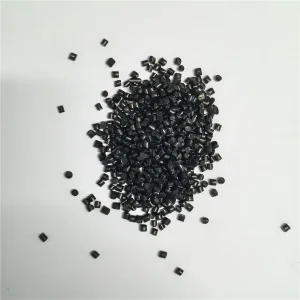
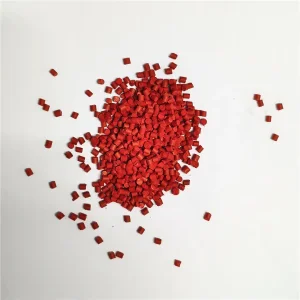
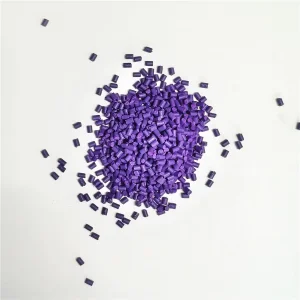
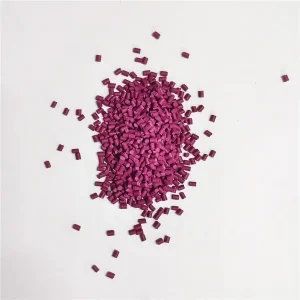
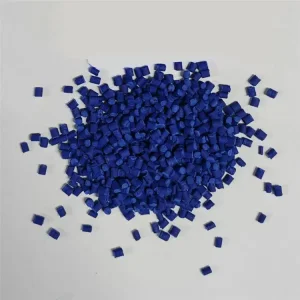
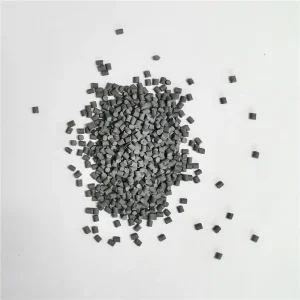
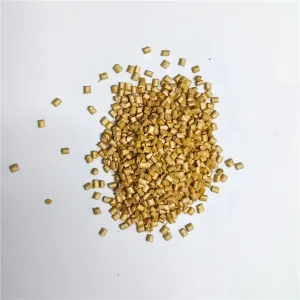
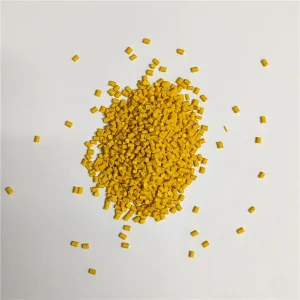
Understanding the shift toward high-shear twin-screw compounding, micro-particle dispersion, and eco-compliant color masterbatches in global polymer transformation.
Modern plastic conversion demands pigment concentrates with Filter Pressure Values (FPV) below 0.5 bar/g. Superior dispersion ensures zero specks, minimal screen pack clogging, and consistent melt flow index (MFI) retention during high-speed film blowing and precision injection molding.
Industrial extrusions operating at temperatures exceeding 260°C require organic and inorganic pigments encased in highly compatible carrier resins (PE, PP, EVA). Advanced hydrophobic coatings prevent pigment migration, blooming, and thermal discoloration under severe processing thermal cycles.
With mounting environmental oversight, enterprise buyers mandate masterbatch solutions completely free of heavy metals, phthalates, and SVHCs. Full compliance with EU REACH, RoHS 3.0, and FDA food-contact standards forms the bedrock of modern polymer supply chains.
Achieving absolute color tinting strength and mechanical property preservation through customized surface chemical modification of primary pigment particles.
Standard masterbatches often suffer from pigment agglomeration, causing micro-voids, reduced tensile strength, and pinholes in blown films under 15 microns. Our custom compounding utilizes high-shear co-rotating twin-screw extruders integrated with multi-stage liquid wax dispersion agents. This breaks pigment aggregates down to primary particle sizes (15nm - 45nm), delivering 40% higher tinting strength while cutting let-down ratios (LDR) to as low as 1% to 3%.
| Performance Parameter | Standard Market Masterbatch | Jiazhou Custom Concentrates | Industrial Value Impact |
|---|---|---|---|
| Pigment Loading Concentration | 20% - 35% Loading | 45% - 75% High Loading | Lowers raw material shipping costs & LDR ratio |
| Filter Pressure Value (FPV) | > 2.5 bar/g | ≤ 0.45 bar/g (EN 13900-5) | Extends filter pack life by 300%; zero downtime |
| Thermal Stability Range | 180°C - 220°C | 240°C - 260°C+ | Prevents thermal gasification and yellowing |
| Color Difference Accuracy (ΔE) | ΔE ≤ 1.5 | ΔE ≤ 0.3 to 0.5 Spectrophotometric | Eliminates batch-to-batch color variation |
| Light Fastness (Blue Wool Scale) | Class 4 - 5 | Class 7 - 8 (High UV Weathering) | Guarantees 5-10 year outdoor anti-fading durability |
Addressing the strategic requirements of international buyers across automotive, packaging, agriculture, and industrial manufacturing sectors.
Engineered specifically for LLDPE, LDPE, and HDPE blown film lines. Our white (TiO2 up to 70%), black, and chromatic masterbatches ensure high opacity, pinhole-free surfaces, excellent heat sealability, and corona treatment retention for high-speed flexographic printing.
Tailored for PP, ABS, PS, and HIPS resins used in electronic enclosures and household goods. Formulations eliminate flow lines, weld lines, and sink marks while maintaining high impact strength and surface gloss stability.
Heavy-duty carbon black and weather-resistant color concentrates for HDPE water pipes, drip irrigation tubing, and cable jacketing. Delivers exceptional oxidative induction time (OIT) and long-term hydrostatic strength preservation.
Pioneering sustainable bio-based carriers, post-consumer recycled (PCR) resin color balancing, and smart NIR-detectable pigment concentrates.
To meet circular economy mandates, Changzhou Jiazhou has developed fully compostable masterbatches utilizing PLA and PBAT bio-carriers. These concentrates match standard polyolefin tinting performance while complying with EN 13432 compostability standards.
Recycled plastics (rPE / rPP) inherent yellowing and batch opacity variations pose challenges. Our optical brightener and blue-shift pigment technology masks yellow undertones in recycled streams, restoring pristine aesthetics to 100% PCR resins.
Traditional carbon black absorbs NIR radiation, rendering plastic waste invisible to automated optical sorting sensors in recycling plants. Our specialized non-carbon black concentrates enable 100% NIR sorting identification for sustainable waste management.
Integrating functional inorganic complexes that react under laser radiation to create high-contrast, permanent barcodes and vector text directly on plastic components without inks or solvents.
From metallic lusters to ultra-stable whites and non-migration primaries, our products are engineered to optimize your extrusion efficiency.
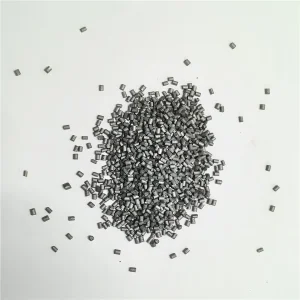
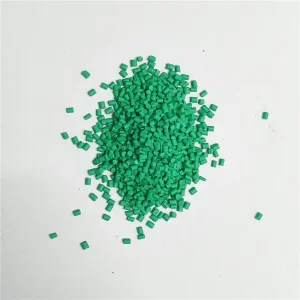
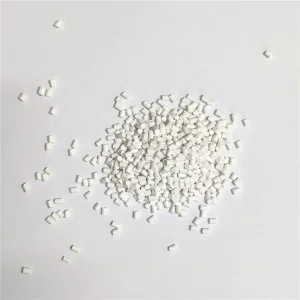
Direct answers regarding pigment dispersion, let-down ratios, custom matching protocols, and lead times from our senior R&D chemists.
Depending on the application thickness and target opacity, our high-concentration masterbatches typically operate at an LDR of 1% to 4%. For blown films below 25 microns, an LDR of 1.5% to 2.5% provides complete opacity without compromising seal strength or film elasticity.
We employ Konica Minolta spectrophotometers and computerized X-Rite matching software. Every production run undergoes automated Delta E testing against target master plaques. We guarantee a strict tolerance of ΔE ≤ 0.3 to 0.5 under standard D65/TL84 light sources.
Yes. Our high-temperature resistant color concentrates utilize organic pigments (such as Phthalocyanines and Quinacridones) treated with thermal stabilizers. They maintain color fastness without thermal degradation or gas mark generation during high-temperature injection molding and sheet extrusion.
Every export order comes with a Certificate of Analysis (COA), SDS/MSDS, and heavy metal testing reports confirming compliance with EU REACH, RoHS 3.0, FDA food-contact standards, and EN 71-3 toy safety regulations.
Customers provide Pantone/RAL color codes or physical resin samples. Our R&D lab formulates counter-samples within 48 hours. Upon sample approval, standard bulk production orders are dispatched from our 6,000m² Changzhou facility within 7 to 14 working days.
By ensuring 100% micro-dispersion and removing inorganic impurities via 300-mesh melt filtration during pelletization, our Filter Pressure Value (FPV) is kept below 0.45 bar/g. This drastically reduces abrasive friction on extruder screws and extends filter screen replacement intervals.