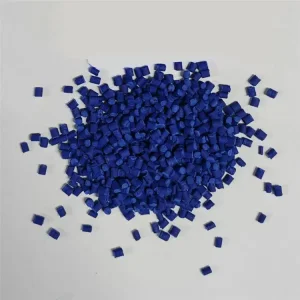
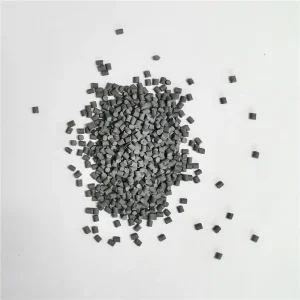
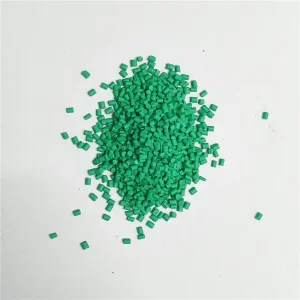
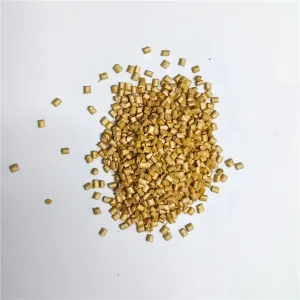
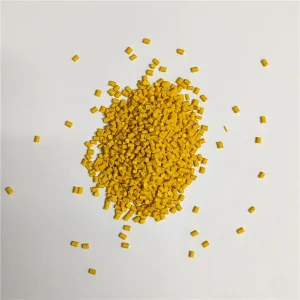
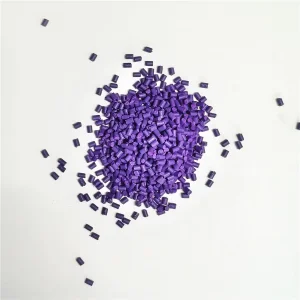
Explore our high-concentration, ultra-dispersive PE masterbatch solutions manufactured specifically for blown film, injection molding, extrusion, and compounding processing lines.
Analyzing carrier compatibility, pigment dispersion physics, and the global shift toward standardized color concentrate procurement.
Polyethylene (PE) masterbatch performance is fundamentally governed by the rheological matching between the carrier resin (LDPE, LLDPE, HDPE) and the target matrix. Premier custom factories utilize linear low-density polyethylene (LLDPE) carriers with high Melt Flow Index (MFI 20-50 g/10min) to lower interfacial tension, enabling rapid melt homogenisation during extrusion without phase separation or shear degradation.
Modern global procurement requires stringent color variance specs. Leading masterbatch suppliers employ spectrophotometer systems operating on the CIE L*a*b* standard to guarantee Delta E (ΔE) values below 0.8 across distinct production lots. High-concentration formulations prevent pigment agglomeration down to sub-micron particle distributions, securing maximum tinting strength.
With tightening international environmental mandates, raw pigment selection must comply with REACH, RoHS, FDA 21 CFR 178.3297 (for food contact applications), and EN 71-3 safety regulations. Heavy-metal-free and low-VOC masterbatches are now mandatory criteria for tier-1 plastics converters supplying retail, medical, and FMCG packaging markets.
Why sourcing from specialized industrial hubs like Changzhou, Jiangsu delivers unmatched cost-performance, batch stability, and rapid scalable turnaround.
Chinese OEM factories, such as Changzhou Jiazhou Plastic Products Co., Ltd., operate multi-stage, high-torque co-rotating twin-screw extruders featuring L/D ratios of 44:1 to 48:1. This extended processing length guarantees optimal shear energy distribution, dispersing titanium dioxide (TiO₂), carbon black, or organic pigments into microscopic domain sizes without polymer chain scission.
Located in the Yangtze River Delta petrochemical industrial belt, factories maintain direct pipeline and high-volume raw material procurement agreements for high-grade LDPE carrier resins and high-purity inorganic/organic pigments. This vertical proximity translates to a 15–25% cost saving per metric ton compared to Western compounding facilities.
Equipped with computerized color-matching laboratories (Datacolor spectrophotometers) and micro-injection molding testing lines, Chinese manufacturers provide custom sample formulation in under 48 hours. Standardized export orders achieve fulfillment within a 15-day production cycle, supported by major sea freight portals (Shanghai / Ningbo ports).
Comprehensive quantitative metrics detailing physical, thermal, and optical benchmarks required for high-speed industrial processing.
| Performance Parameter | Testing Standard / Method | Typical Specification Range | Industrial Significance |
|---|---|---|---|
| Pigment Loading Concentration | ISO 3451-1 (Ash Content) | 20% – 70% (Color / TiO₂ / CaCO₃ / Carbon Black) | Determines tinting strength, let-down ratio economy, and carrier dilution ratio. |
| Melt Flow Index (MFI) | ASTM D1238 / ISO 1133 (190°C / 2.16 kg) | 5.0 – 45.0 g / 10 min | Ensures homogeneous resin dispersion without clogging melt filters or causing melt fracture. |
| Thermal Processing Stability | DIN EN 12877-2 | 220°C – 300°C (Up to 10 min residence time) | Prevents color shifting, gas degradation, or yellowing during high-temp injection/extrusion. |
| Lightfastness (UV Stability) | ISO 105-B02 (Blue Wool Scale) | Grade 6 to Grade 8 (Maximum rating) | Protects outdoor packaging, pipes, and agricultural films against long-term solar degradation. |
| Filter Pressure Value (FPV) | EN 13900-5 (Bar / g of pigment) | < 0.5 Bar/g (Blown Film Grade) | Critical metric for thin-film blowing (< 15 microns) to avoid bubble breakage and screen-pack blockage. |
| Moisture Content Rate | Karl Fischer Titration / ISO 15512 | ≤ 0.15% (1500 ppm) | Eliminates silver streaking, splay marks, and void voids in high-finish molded components. |
From ultra-thin flexible film extrusion to heavy-duty industrial pipe manufacturing, customized PE masterbatch formulations deliver optimized performance.
Polyethylene blown films for courier bags, shopping bags, mulch films, and food wrappers demand flawless dispersion. High-concentration white (TiO₂) and color masterbatches ensure opacity at minimal gauges (down to 10 microns). Formulations incorporate slip and anti-block additives to maintain coefficient of friction (COF < 0.2) for high-speed automated bag-making lines.
Automotive interior trims, industrial crates, caps, closures, and housewares require structural color consistency. PE masterbatches with high heat stability (up to 260°C–280°C) prevent thermal discoloration inside hot runner systems. Low-warpage pigment selections are mandatory to retain dimensional stability in large structural moldings.
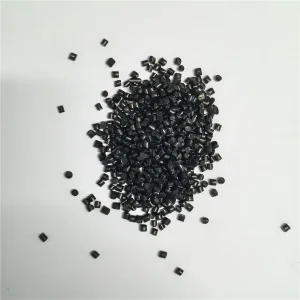
For municipal water distribution, gas conduit, and agricultural drip irrigation lines, black masterbatch containing fine-particle P-type or P-E type Carbon Black (particle size ≤ 25nm) is critical. It acts as an active UV absorber, extending pipe operational lifespan up to 50 years under intense sunlight exposure.
Hollow containers for household chemicals, cosmetics, and lubricants require anti-migration properties. Specialty PE masterbatches eliminate pigment bleeding when exposed to surfactants, oils, and solvents, ensuring brand aesthetics remain intact throughout product shelf life.
Calcium Carbonate (CaCO₃) and Talc filler masterbatches formulated with ultra-fine treated powders (1250 mesh to 3000 mesh) act as functional extenders. Replacing 10%–40% of virgin PE resin reduces overall raw material costs while increasing thermal conductivity, reducing molding cycle times by 10%–15%.
Future-proofing plastic manufacturing through circular economy alignment, nano-additive integration, and smart functionality.
As brands commit to sustainability goals, custom masterbatch factories are developing dedicated PCR-PE carrier concentrates. Formulated with specialized compatibilizers and radical scavengers, these masterbatches stabilize reprocessed polyolefin streams, restoring mechanical toughness and uniform color to recycled plastics.
Traditional carbon black absorbs NIR radiation, rendering black plastic invisible to automated sorting systems in recycling plants. Next-generation NIR-reflective black masterbatches utilize specialty organic pigments, allowing optical sorting equipment to categorize PE containers correctly, advancing closed-loop recycling.
To eliminate multiple dosing feeders on factory floors, multi-functional masterbatches merge colorants with additives such as UV stabilizers, anti-static agents, processing aids (PPA), and anti-oxidants into a single pelletized concentrate, enhancing process stability and reducing inventory complexity.
A strategic checklist for global sourcing managers and plastic engineers negotiating custom masterbatch contracts.
Always specify your base polymer type (e.g., LLDPE 7042, HDPE 5000S). Request masterbatch manufactured with an identical or lower-melting-point carrier to prevent un-melted "fish-eye" gels during processing.
Standard color masterbatch LDR ranges from 1% to 4%. High-concentration masterbatch (e.g., 60%–70% TiO₂ or 40% Carbon Black) lowers recommended addition rates to 1.5%–2%, significantly cutting transportation and inventory holding costs.
Demand a Certificate of Analysis (COA) for every batch detailing MFI, ash content, and moisture percentage. Conduct trial runs of 25 kg samples before placing full-container FCL orders to confirm dispersion on your specific machine screw design.
Expert answers from senior polymer engineers addressing common masterbatch selection, dosing, and troubleshooting challenges.
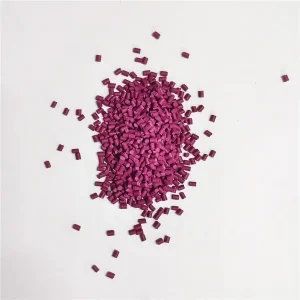
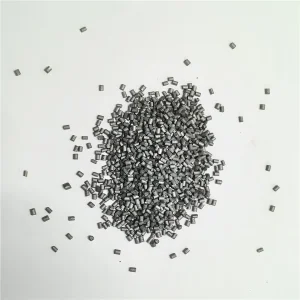
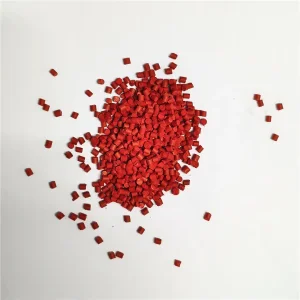
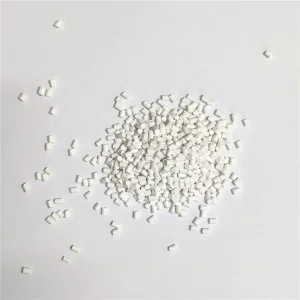
Select from our comprehensive list of color concentrates and functional masterbatches. Click any product below to submit a factory-direct inquiry.