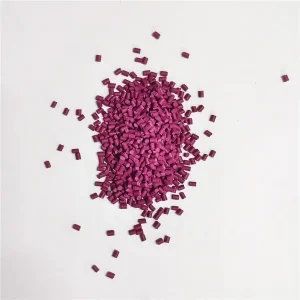
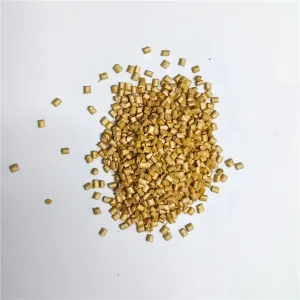
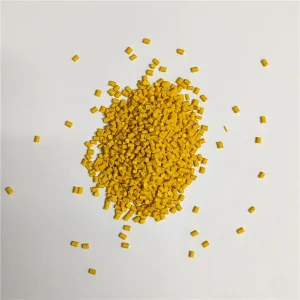
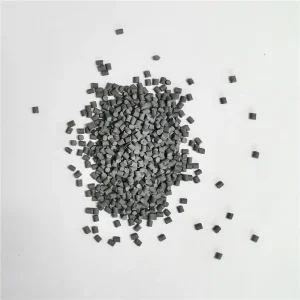
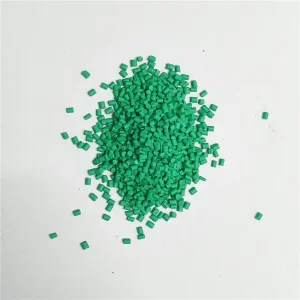
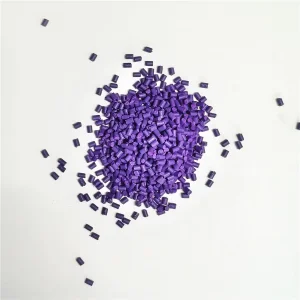
Engineered specifically to solve melt rheology variance, thermal degradation, and pigment agglomeration in post-consumer recycled (PCR) and post-industrial recycled (PIR) polyolefin streams.
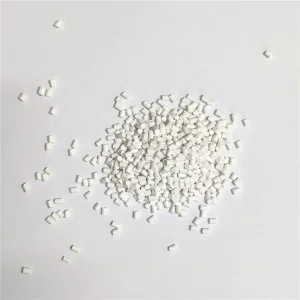
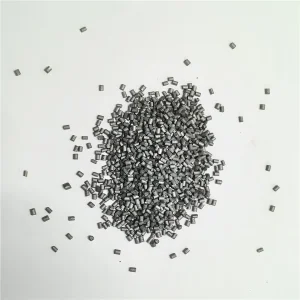
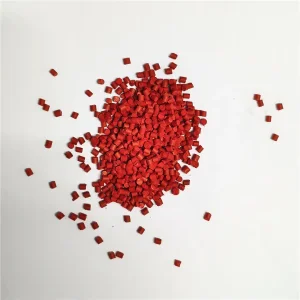
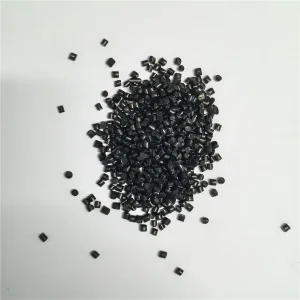
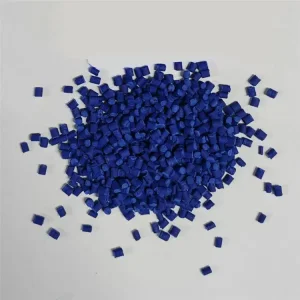
In the contemporary global plastics landscape, the transition toward a circular economy has shifted from a voluntary corporate social responsibility (CSR) goal to a strict regulatory mandate. However, industrial plastic converters and film extruders face significant technical hurdles when incorporating high percentages of Post-Consumer Recycled (PCR) or Post-Industrial Recycled (PIR) Polyethylene (PE). Recycled resin batches frequently display extreme Melt Flow Index (MFI) volatility, thermal-oxidative degradation history, contamination from trace non-polyolefin polymers (such as PP, PET, or EVA), and baseline color off-tones.
Standard commercial color masterbatches fail in these degraded environments because their primary virgin carriers cannot bridge the interfacial tension gaps or neutralize free-radical degradation pathways within PCR matrices. As a premier Custom Recycled Material Compatible PE Masterbatch Factory & Supplier, Changzhou Jiazhou Plastic Products Co., Ltd. delivers proprietary formulation technology that integrates functionalized coupling agents, high-potency antioxidants, and super-dispersed pigments into custom-engineered PE carrier systems. This engineering depth allows global manufacturers to seamlessly run 30% to 70%+ recycled resin content without sacrificing tensile strength, film bubble stability, or visual color vibrancy.
Overcoming the physics of recycled polyolefin behavior requires targeted molecular-level intervention. Our R&D laboratory in Changzhou has pioneered four fundamental technical mechanisms built directly into our compatible PE masterbatch series:
Recycled PE streams often contain microscopic domains of polypropylene (PP) or polar contaminants from packaging labels and barrier layers. By incorporating Maleic Anhydride Grafted Polyethylene (PE-g-MAH) and specialized reactive surfactants into our masterbatch carrier matrix, we reduce the interfacial tension between immiscible polymer phases. This acts as a molecular bridge, preventing phase separation, pinhole formation in blown films, and premature impact fracture in molded parts.
PCR resins display unpredictable Melt Flow Index (MFI) values due to repeated thermal shearing and chain scission during recycling. Our masterbatch formulations feature tailored molecular-weight distribution PE carriers combined with rheology-modifying lubricants. This normalizes the melt viscosity inside the extruder barrel, eliminating melt fracture (sharkskin), reducing torque spikes, and stabilizing die pressure for continuous high-speed extrusion lines.
Dark or yellowed baseline shifts in recycled regrind make achieving bright, consistent final colors exceptionally difficult. We utilize sub-micron pigment particles treated with hyper-dispersants (such as titanate and zirconate coupling agents). This ultra-fine dispersion achieves superior tinting strength and high opacity at low let-down ratios (LDR), masking the grey or yellowish tint of underlying PCR resins while using up to 20% less pigment load than standard market alternatives.
Recycled PE contains residual hydroperoxides that trigger rapid thermo-oxidative degradation during melt processing. Our custom masterbatches are fortified with a synergistic blend of Hindered Phenol Primary Antioxidants (for free-radical trapping) and Phosphite Secondary Antioxidants (for hydroperoxide decomposition). This prevents gel formation, discoloration, and polymer cross-linking during processing at temperatures up to 260°C.
Situated in Changzhou, Jiangsu Province—the epicenter of China's advanced polymer processing cluster—Changzhou Jiazhou Plastic Products Co., Ltd. operates a modern 6,000m² manufacturing plant engineered specifically for high-precision masterbatch synthesis. Global procurement directors benefit from distinct structural and technological advantages when sourcing directly from our facility:
Equipped with 10+ continuous co-rotating twin-screw extruder lines featuring high length-to-diameter (L/D) ratios (up to 48:1). This guarantees optimal melt homogenization, intensive shear mixing, and volatile degassing necessary for processing difficult recycled polymers.
We utilize spectrophotometers (Datacolor 800 series), capillary rheometers, and two-roll laboratory mills for rigorous QC. Every customer production run undergoes strict melt flow testing, ash content analysis, and spectrophotometric Delta E verification (guaranteed < 0.5).
Direct integration with Asia's largest raw pigment, TiO2, and virgin PE polymer producers enables us to offer unmatched price-to-performance ratios. We maintain a steady inventory of high-grade additives, protecting global clients from supply chain disruptions.
The global masterbatch market is experiencing a profound paradigm shift driven by stringent environmental legislation and evolving corporate net-zero commitments. Key macro trends shaping the market include:
The European Union’s Packaging and Packaging Waste Regulation (PPWR) and single-use plastic directives across North America require plastic packaging to incorporate between 30% and 50% recycled content by 2030. Converter factories can no longer rely on easy-to-process virgin resins; they require specialized compatibilizing masterbatches to meet legal thresholds without causing line downtime.
By replacing virgin carrier resins with GRS-certified recycled PE carriers or low-carbon functionalized bases, our masterbatches drastically lower Scope 3 greenhouse gas emissions. Converting to compatible masterbatch systems provides quantifiable Life Cycle Assessment (LCA) benefits for global consumer packaged goods (CPG) brands.
Our custom recycled material compatible PE masterbatch series is tailor-engineered for diverse high-throughput plastic manufacturing operations:
Applications: Trash bags, agricultural mulch films, industrial shipping sacks, e-commerce courier bags.
Key Performance: Eliminates gel spots, prevents bubble collapse during high-speed blowing, ensures high dart drop impact strength even with 50%+ PCR film scrap.
Applications: Logistics pallets, beverage crates, storage bins, automotive interior trim.
Key Performance: Mitigates warpage and differential shrinkage, improves melt flow into complex mold cavities, enhances surface gloss on post-industrial regrind.
Applications: HDPE chemical drums, household detergent bottles, corrugated drainage pipes.
Key Performance: Superior environmental stress crack resistance (ESCR), excellent parison strength, defect-free smooth interior pipe walls.
Global enterprise purchasing teams rely on standardized technical parameters. The table below outlines our masterbatch technical capabilities for customized PCR/PIR production lines:
| Masterbatch Grade | Carrier Base | Pigment Loading | Heat Resistance | PCR Compatibility Index | Primary Regulatory Compliance |
|---|---|---|---|---|---|
| PE White PCR-Compat | HDPE / LLDPE / Grafted PE | 50% - 75% TiO2 | 260°C - 280°C | Excellent (≤ 70% PCR) | REACH, RoHS, FDA Food Contact (Select) |
| PE Black Eco-Grade | Recycled PE / LLDPE | 30% - 50% Carbon Black | 260°C - 300°C | Outstanding (≤ 90% PCR) | GRS Certified, RoHS, EN 71-3 |
| PE Chroma Color Series | Universal Polyolefin PE | 25% - 45% Organic/Inorganic | 240°C - 260°C | High (≤ 50% PCR) | REACH, Heavy Metal-Free |
| CaCO3 Filler Masterbatch | LLDPE / Micro-Calcite | 70% - 84% Nano-CaCO3 | 240°C - 270°C | Excellent (Anti-warpage) | ISO 9001, Eco-Friendly Non-Toxic |
A standard virgin PE masterbatch uses unmodified LDPE or LLDPE carrier resins designed exclusively for clean, uniform virgin polymer feeds. A custom recycled material compatible PE masterbatch is engineered with functionalized coupling agents (such as PE-g-MAH), melt flow modifiers, and high-potency antioxidants. This allows it to physically bind contaminated polymer phases, stabilize fluctuating MFI, and neutralize thermal degradation in post-consumer (PCR) or post-industrial (PIR) regrind.
While standard masterbatches limit PCR usage to 20%-30% due to loss of physical properties, our custom compatibilized masterbatch series enables converters to run between 50% and 80%+ PCR PE content (depending on the baseline quality of the regrind) while maintaining target film blown strength, puncture resistance, and aesthetic surface finish.
We perform spectrophotometric analysis on your specific PCR regrind sample. Our color formulation laboratory calculates an optical compensation formula using high-opacity TiO2 or specialized organic maskers to neutralize baseline off-tones, maintaining batch-to-batch Delta E (ΔE) within 0.5 under standard D65 light sources.
Yes. Changzhou Jiazhou supplies masterbatch options manufactured with Global Recycled Standard (GRS) certified carrier resins, along with full REACH, RoHS, and heavy-metal-free compliance certifications required for export to the EU, North America, and Australia.
Explore our complete catalog of high-concentration PE carrier masterbatches formulated for injection molding, blown film extrusion, and blow molded applications.