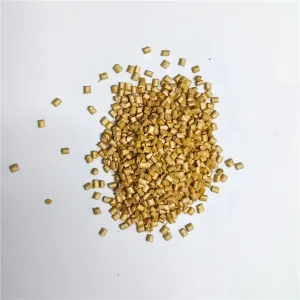
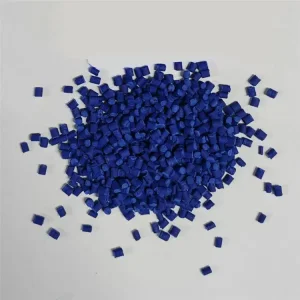
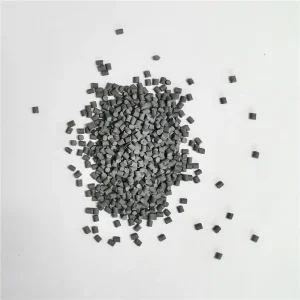
Engineered specifically for seamless compatibility with Recycled PE (rLDPE, rLLDPE, rHDPE) and virgin polymer matrix systems.
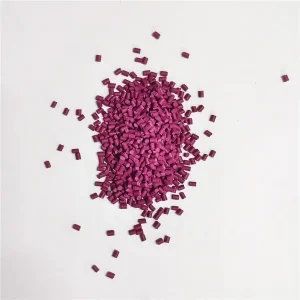
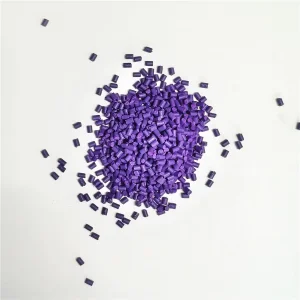
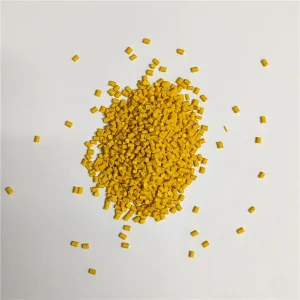
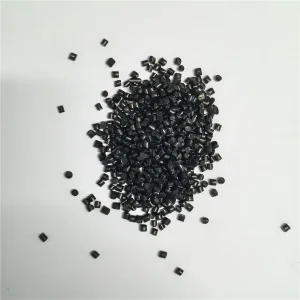
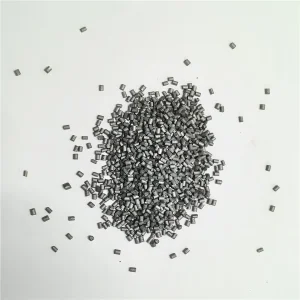
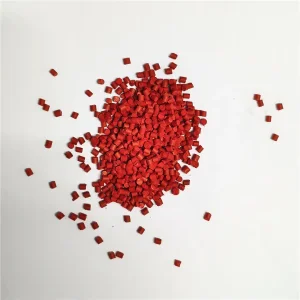
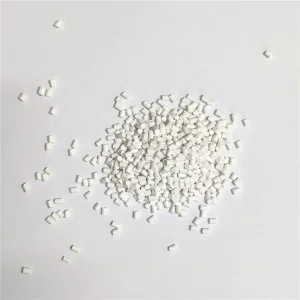
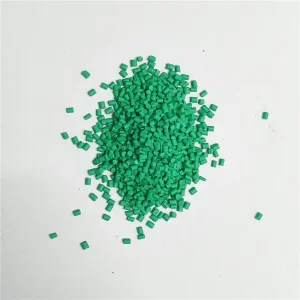
Navigating the transition toward circular plastics with custom color-matching and property-enhancing additive technologies.
The global plastics conversion industry is undergoing an unprecedented structural transition driven by stringent global environmental regulations, such as the European Union's Packaging and Packaging Waste Regulation (PPWR), US state-level Extended Producer Responsibility (EPR) legislation, and global ESG commitments from Fortune 500 brand owners. Plastic processors and convertors are increasingly required to incorporate high percentages of Post-Consumer Recycled Polyethylene (PCR-PE) and Post-Industrial Recycled Polyethylene (PIR-PE) into high-performance applications including blown film packaging, industrial containers, agricultural conduits, and injection-molded parts.
However, scaling recycled PE usage introduces major technical bottlenecks for plastic masterbatch suppliers and manufacturers. Recycled PE raw materials exhibit significant lot-to-lot feedstock variations, including thermal degradation history, residual yellowing/graying, cross-contamination of foreign polymers (e.g., PP, PET, EVOH), variable Melt Flow Indices (MFI), and residual volatile organic compounds (VOCs). Standard off-the-shelf masterbatches frequently fail to compensate for these variances, resulting in severe color drifting, phase separation, die-buildup, reduced mechanical strength, and elevated reject rates.
Key Technical Solution: Modern custom recycled PE matching masterbatch technologies utilize multi-functional additive formulations combined with AI-driven spectrophotometric color compensation. This allows plastic compounders to neutralize feedstock discoloration, stabilize polymer viscosity, and achieve pristine surface aesthetics across variable recycled batches.
Combining high-density pigment loads, reactive compatibilizers, and specialized stabilization additives.
Using advanced spectrophotometers and CIELAB color-matching algorithms, our formulations introduce precise optical brighteners, toner pigments, and masking agents to neutralize the inherent yellow/gray cast of post-consumer PE resins, ensuring high color accuracy (ΔE < 0.5).
Recycled PE often exhibits degraded melt strength or erratic viscosity due to chain scission or cross-linking. Custom masterbatches incorporate tailored low-density polyolefin carriers and processing aids (PPA) to harmonize melt flow and minimize extrudate swell.
Re-processing recycled PE subjects the polymer to secondary thermal hysteresis. Our formulations integrate primary phenolic antioxidants and secondary phosphite processing stabilizers (Irganox/Irgafos blends) alongside HALS UV absorbers for outdoor durability.
| Property Parameter | Standard Masterbatch | Custom Recycled PE Matching Masterbatch | Industry Standard & Testing Method |
|---|---|---|---|
| Carrier Compatibility | Virgin LDPE/LLDPE Only | Tailored Recycled-Grade PE + PE-g-MAH Compatibilizer | ASTM D1238 / ISO 1133 |
| Pigment Dispersion Index | Standard High-Shear | Ultra-Fine Sub-Micron Triple-Pass Dispersion | Pressure Filter Test (EN 13900-5) |
| Heat Resistance Limit | 220°C - 240°C | 260°C - 280°C (Anti-Thermal Degradation) | DIN EN 12877-2 |
| Color Tolerance (ΔE) | < 1.5 (Standard Virgin Feedstock) | < 0.5 (Against Degraded PCR Dark Base) | CIE L*a*b* Spectrophotometer |
| Weathering & Lightfastness | Blue Wool Scale 5-6 | Blue Wool Scale 7-8 / ISO 4892-2 UV Resistance | ASTM G154 / ISO 4892 |
Tailoring custom masterbatches to satisfy regional regulatory requirements and end-use application parameters.
Extensive deployment in PCR blown films, heavy-duty shipping sacks, courier mailing bags, and agricultural mulch. Masterbatches prevent bubble breaks, pinholes, and gel streaks caused by un-dispersed contaminants in post-consumer LDPE/LLDPE streams.
Optimized for high-density polyethylene (rHDPE) bottles, industrial drums, and chemical containers. Formulations improve Environmental Stress Crack Resistance (ESCR) while maintaining high opacity to hide regrind dark specks.
Designed for HDPE corrugated drainage pipes, cable conduit ducts, and non-pressure agricultural irrigation lines. Imparts high carbon black UV protection and long-term thermal stabilization for outdoor installations spanning 50+ years.
From feedstock diagnostic profiling to continuous high-shear twin-screw compounding.
Client-provided recycled PE raw material samples undergo Melt Flow Indexing (MFI), differential scanning calorimetry (DSC), ash content analysis, and spectrophotometric base color mapping (CIE L*a*b*).
Formulation algorithms select optimal organic/inorganic pigment loading, optical masking additives, compatibilizers (PE-g-MAH), thermal antioxidants, and processing aids to match target color specifications and physical property thresholds.
High L/D ratio twin-screw compounding extruders equipped with vacuum degassing zones ensure thorough dispersion of ultrafine pigments while extracting residual VOCs and moisture from recycled carrier bases.
Pelletizing via micro-underwater cutting yields uniform spherical granules with zero dust. Every batch undergoes pressure filter value (FPV) dispersion testing, thermal stability testing, and color variance validation prior to export packaging.
Unlocking financial profitability while meeting corporate circular economy milestones.
By enabling plastic convertors to replace 30% to 70% of expensive virgin polyethylene resin with lower-cost post-consumer or post-industrial PCR/PIR PE, custom matching masterbatches significantly lower overall resin procurement costs without sacrificing end-product visual appearance or mechanical failure thresholds.
Standard masterbatches used with inconsistent recycled resins frequently cause severe color shade variations between production runs, high filter blinding, and frequent extrusion die stoppages. Custom formulation engineering guarantees batch-to-batch consistency and continuous extrusion stability.
Utilizing recycled PE boosted with high-efficiency masterbatch systems reduces overall Scope 3 greenhouse gas emissions. For every ton of recycled PE successfully processed in place of virgin resin, approximately 1.5 to 2.0 tons of CO2 equivalent emissions are offset across the manufacturing value chain.
In-depth solutions for engineering teams, procurement managers, and masterbatch distributors.
Our color lab utilizes advanced spectrophotometry to analyze the spectral reflectance curve of the incoming dark or yellowed PCR base. We formulate masterbatches with high-opacity rutile titanium dioxide (TiO2), optical brighteners, and complementary inorganic pigments that effectively mask the gray/yellow background cast while achieving vibrant, precise target hues with minimal dosage percentages (typically 1% to 4%).
We select prime fractional melt low-density polyethylene (LDPE), LLDPE, or functionalized polyolefin copolymers (such as PE-g-MAH) tailored to match or slightly exceed the melt flow index of your specific recycled feed. This ensures rapid, homogeneous dispersion during extrusion or injection molding without causing phase separation, delamination, or surface haze.
Yes. Every heat-resistant masterbatch formulation intended for recycled PE incorporates secondary antioxidant chemistry (phosphite stabilizers) paired with sterically hindered phenolic primary antioxidants. This dual additive package actively scavenges free radicals generated during high-temperature extrusion (up to 260°C - 280°C), preventing further chain scission and thermal discoloration.
For custom spectral matching, laboratory sample creation and spectrophotometric report generation take 3 to 5 business days. Once approved, industrial production standard lead times are within 10 to 15 calendar days. Our flexible production lines support MOQs starting from 500 kg for custom color-matched masterbatches up to multi-container monthly supply contracts.
Heavy-duty industrial masterbatch solutions for blown film, injection, and extrusion processing.