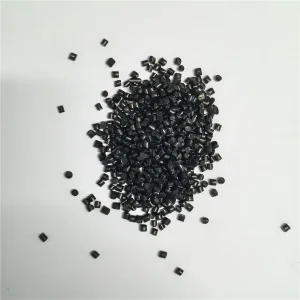
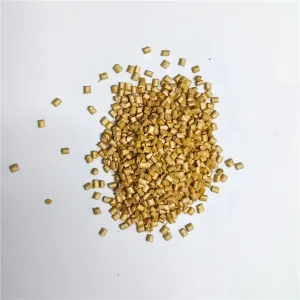
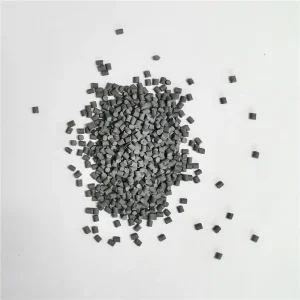
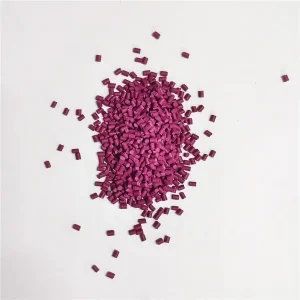
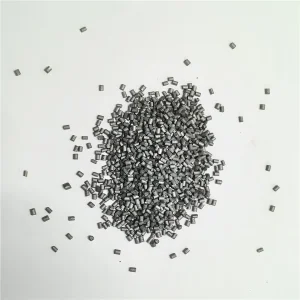
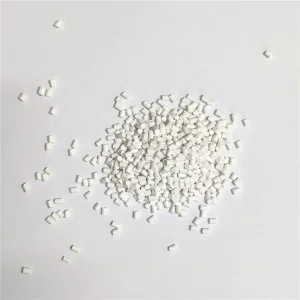
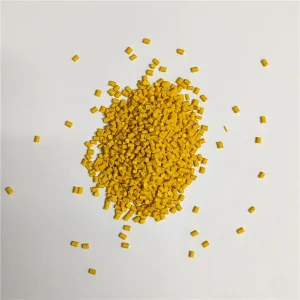
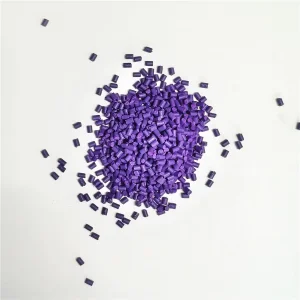
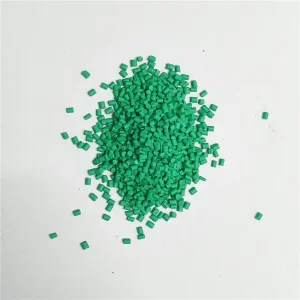
Engineered with Melt Flow Index (MFI) precision matching and high-concentration pigment load for blown film, injection molding, and complex extrusion.
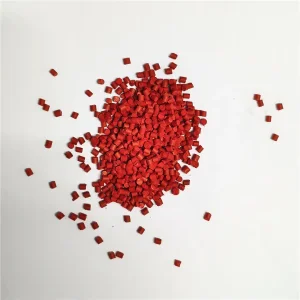
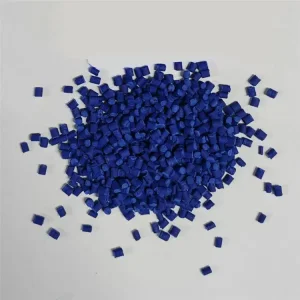
Global dynamics, regulatory shifts, and technical imperatives defining modern polymer color concentrate and additive manufacturing.
The global thermoplastic market has undergone a fundamental transformation over the past decade. Industrial plastics converters, blown film extruders, and injection molders no longer rely on standardized, off-the-shelf colorants. Instead, the polymer converting sector overwhelmingly demands highly specialized, custom resin masterbatches tailored precisely to specific polymer matrices, process temperatures, shear rates, and end-use performance benchmarks. As leading custom resin masterbatch companies and manufacturers advance their formulation capabilities, masterbatch is no longer viewed merely as a cosmetic additive; it is a fundamental material engineering component that dictates processability, mechanical integrity, UV resistance, and overall unit economics.
Modern masterbatch formulation involves dispersing high loadings of inorganic or organic pigments, functional additives (such as UV stabilizers, antioxidants, anti-static agents, and flame retardants), or mineral fillers (such as micro-calcium carbonate or talc) into a primary carrier resin polymer matrix. The fundamental objective is to achieve microscopic, homogeneous dispersion without disrupting the rheological behavior or physical strength of the host polymer during processing.
Information Gain Insight: Masterbatch efficiency is governed by the surface energy differential between the pigment particle and the polymer carrier melt. Premier custom masterbatch manufacturers employ specialized hyper-dispersants and low-molecular-weight waxes to lower dynamic melt viscosity, achieving pigment cluster breakdown to sub-micron scales (particle size < 0.5 µm) without polymer chain scission.
A deep dive into carrier matching, shear rate dispersion, thermal stability, and non-migration physics.
| Masterbatch Type | Carrier Base | Active Concentration | Thermal Threshold | Primary Industrial Application |
|---|---|---|---|---|
| High-Concentration PE White | PE / LLDPE (MFI 20-30) | 60% - 75% TiO2 (Rutile) | 300°C | Packaging Blown Film, Milk Bottles, Lamination |
| PE/PP Carbon Black Masterbatch | LDPE / PP Matrix | 30% - 50% P-Type Carbon Black | 280°C | Geomembranes, Drip Irrigation Pipes, Wire & Cable |
| Specialty Color Masterbatches | Custom PE/PP/PET/ABS | 20% - 40% Organic Pigments | 260°C - 280°C | Consumer Electronics, Appliances, Household Goods |
| CaCO3 Filler Masterbatch | Homo-PP / LLDPE | 75% - 85% Micronized CaCO3 | 260°C | Woven Sacks, Extruded Sheet, Cost Reduction Films |
How technical masterbatch solutions solve climate, regulatory, and mechanical challenges in major regional markets.
Why leading global B2B buyers partner with established Changzhou and Yangtze River Delta chemical clusters.
As global supply chains place an increased emphasis on operational agility, cost resilience, and quality consistency, China’s masterbatch manufacturing ecosystem—centered in industrial hubs like Changzhou, Jiangsu—offers distinct strategic advantages for international B2B purchasers.
Emerging masterbatch innovations: circular economy alignment, nano-additives, and smart optical colorants.
Rigorous quality protocols ensuring batch-to-batch consistency and international regulatory safety.
For industrial polymer converters, raw material inconsistency is a major cause of unscheduled machine downtime, filter mesh clogging, and rejected finished goods. A reliable custom resin masterbatch manufacturer maintains strict quality assurance (QA) frameworks at every stage of compound production.
Authoritative answers to critical masterbatch engineering, processing, and sourcing questions.
Direct sourcing from a 16-year specialized B2B masterbatch manufacturer. Certified quality and fast worldwide shipping.