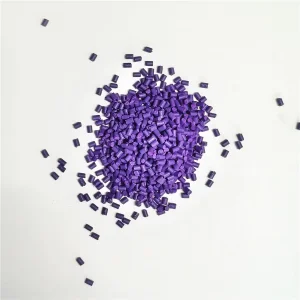
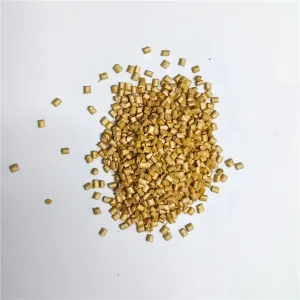
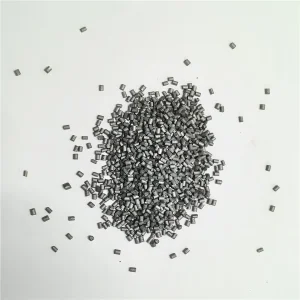
Engineered for superior color strength, high melt flow compatibility, and extreme thermal dispersion across blown film, injection molding, and profile extrusion.
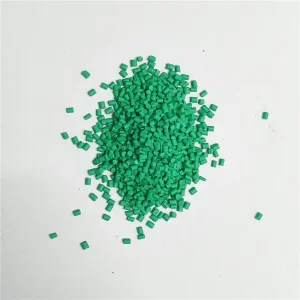
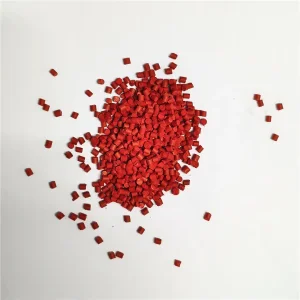
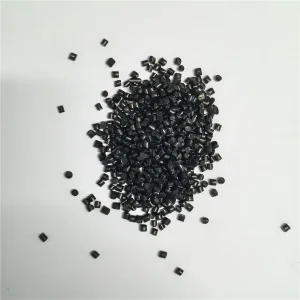
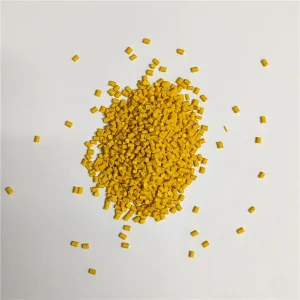
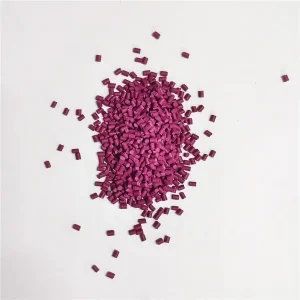
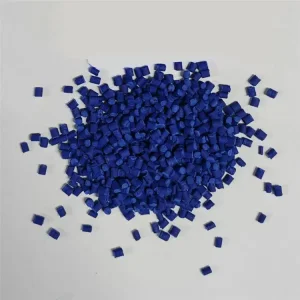
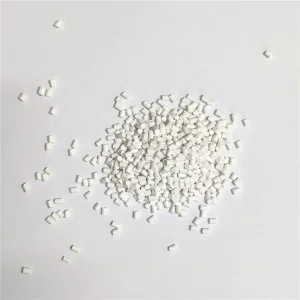
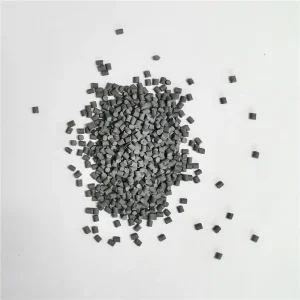
Understanding the molecular architecture of high-concentration pigment dispersion within thermoplastic polymer matrices.
In high-end thermoplastic compounding, colorant masterbatch quality is governed by the Filter Pressure Value (FPV) tested according to DIN EN 13900-5. Premium color masterbatches manufactured by modern Chinese direct-compounding facilities achieve FPV ratings under 0.5 bar/g. This guarantees that sub-micron organic and inorganic pigment particles—such as Phthalocyanine Blue BGS, Carbon Black (Pigment Black 7), and Rutile Titanium Dioxide (Pigment White 6)—are fully deagglomerated and encapsulated within the virgin carrier matrix (LDPE/LLDPE/PP). High dispersion eliminates pinholes, structural weakening, and color streaking during high-speed film blowing down to 10 microns thickness.
A primary failure point in plastic coloring is carrier resin mismatching. A professional colorant masterbatch manufacturer formulates carrier resins with a Melt Flow Index (MFI) higher than or strictly equal to the target substrate resin (typically ranging from 10 g/10min to 45 g/10min at 190°C/2.16kg). By leveraging specialized low-molecular-weight polyethylene waxes and dispersion wetting agents, our custom masterbatch formulations lower shear viscosity during extrusion, preventing melt fracture, die build-up, and thermal degradation when processing at elevated temperatures up to 280°C.
| Product Type | Pigment Content (%) | Carrier System | Heat Resistance (°C) | Light Fastness (Blue Wool) | Primary Application |
|---|---|---|---|---|---|
| PE Green Masterbatch | 35% - 50% Organic Green 7 | HDPE / LLDPE | 260°C - 280°C | Level 7 - 8 | Agricultural Mulch, Agricultural Pipes, Injection Molding |
| PE Red Masterbatch | 40% - 55% Fast Red PR48:2 | LDPE / PE Wax | 260°C | Level 6 - 7 | Blow Molded Containers, Packaging Film |
| PE Black Masterbatch | 30% - 50% High-Jet Carbon Black | Virgin LLDPE | 280°C | Level 8 (Max UV) | Geomembranes, Telecom Cable Sheathing, Pipes |
| PE White Masterbatch | 60% - 75% Rutile TiO2 | Polyethylene / Additive Blend | 300°C | Level 8 | Food Packaging Film, Lamination, Milk Pouches |
Why global OEMs and plastic converters partner with China’s premier Changzhou plastic masterbatch manufacturing cluster.
Changzhou, Jiangsu Province, represents the epicenter of China’s high-polymer additive industry. Direct proximity to Sinopec and CNPC raw resin supply chains ensures raw material consistency for linear low-density polyethylene (LLDPE), polypropylene (PP), and specialty pigments. This vertical integration reduces logistics overhead, granting global buyers a 15% - 25% cost saving over European or North American compounders.
Utilizing state-of-the-art co-rotating twin-screw extruders equipped with loss-in-weight gravimetric feeders, our factory achieves exact melt blending. High L/D ratios (up to 48:1) guarantee intense shear dispersion without degrading heat-sensitive organic colorants. Multi-stage underwater pelletizing produces uniform micro-pellets with zero dust, ensuring seamless volumetric dosing during client manufacturing.
Quality control protocol includes computer spectrophotometer shade matching, thermogravimetric analysis (TGA), moisture content testing (< 0.1%), and melt flow rate verification. All products meet RoHS, REACH SVHC, FDA 21 CFR food contact standards, and EN71-3 heavy metal migration limits, allowing uninhibited export to Europe, North America, and Southeast Asia.
Exploring how next-generation masterbatches resolve modern environmental regulations and technological demands.
Traditional black masterbatch utilizes standard carbon black, which absorbs Near-Infrared (NIR) light wavelengths used in automated Materials Recovery Facilities (MRFs). Consequently, black plastic waste ends up in landfills. Modern China masterbatch innovation introduces NIR-Detectable Black Masterbatch using specialized dark organic pigments. This permits optical sensors in sorting plants to identify and sort HDPE, PP, and PET black polymers, enabling full circular economy compliance under European packaging waste mandates.
To support corporate ESG targets, our manufacturing facility produces masterbatch formulations based on Post-Consumer Recycled (PCR) PE/PP carriers, as well as 100% compostable carriers (PLA/PBAT/PBS). These bio-based colorants maintain high color strength and thermal stability while keeping the overall carbon footprint of end-products minimal, making them perfect for eco-friendly shopping bags, disposable cutlery, and agricultural mulch films.
Combining primary pigment dispersion with secondary functional additives in a single masterbatch pellet drastically simplifies procurement and dosing. Our high-efficiency combo masterbatches integrate UV Stabilizer (HALS), Anti-Static Agents, Slip Additives (Erucamide), and Anti-Oxidants alongside pigment concentrates. This eliminates multi-dosing errors on extrusion lines and prevents additive phase separation.
Creating luxury packaging and automotive components requires specialty visual effects. Utilizing treated coated aluminum flakes and pearlescent mica pigments, our custom gold, silver, and metallic masterbatches achieve a paint-like gloss without flow lines or weld-line visibility, backed by anti-fading lightfastness ratings suitable for harsh outdoor conditions.
Tailored masterbatch solutions formulated specifically for distinct plastic converting technologies.
Processes: High-speed monolayer & multi-layer co-extrusion blown film.
Products Used: PE White (TiO2 70%), PE Blue, PE Black, Eco-Friendly Red.
Processes: HDPE water pipe extrusion, PPR hot water conduits, cable jacketing.
Products Used: P-Type PE Black (2.5% Carbon Black content), Grey, Yellow.
Processes: Industrial crates, automotive components, consumer electronics.
Products Used: Gold, Silver, Green, Custom Colored PE/PP Masterbatch.
Step-by-step engineering verification process when sourcing color masterbatch from China direct manufacturers.
When submitting custom color matching requests (PANTONE, RAL, or physical color chips), ensure the supplier utilizes a sphere spectrophotometer under D65, A, and F11 standard illuminants. Demand a target Delta E (ΔE ≤ 0.5) to eliminate metamerism (color shifting under varying light sources). Professional factories provide custom laboratory sampling within 48-72 hours.
Evaluating overall masterbatch cost requires looking beyond per-kilogram pricing. A high-concentration colorant masterbatch with a 1% to 2% LDR provides far greater economic benefit than a diluted 4% LDR masterbatch. Calculate total unit cost per ton of finished product:
Cost per Ton = (Masterbatch Price × LDR %) + (Base Polymer Price × (100% - LDR %))
For packaging intended for food contact, toys, or medical devices, require certified third-party testing reports (SGS, TUV, Intertek) proving absence of lead, cadmium, mercury, hexavalent chromium, polybrominated biphenyls (PBB), and phthalate plasticizers in accordance with EU Directive 2011/65/EU (RoHS 2.0).
Excessive moisture content in masterbatch (>0.15%) causes surface splay, voids, and bubbles during extrusion. Ensure your supplier uses heavy-duty moisture-proof packaging, such as 25kg aluminum-foil lined woven bags or heavy PE valve bags stacked on fumigated wood or plastic pallets with shrink wrapping.
Expert technical answers regarding masterbatch formulation, processing troubleshooting, and factory procurement.
Direct factory supply with custom color matching, low MOQ, and full technical documentation for global processors.