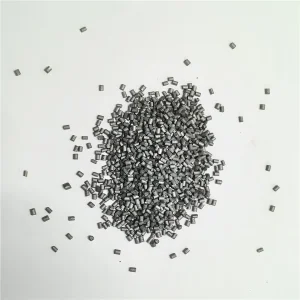
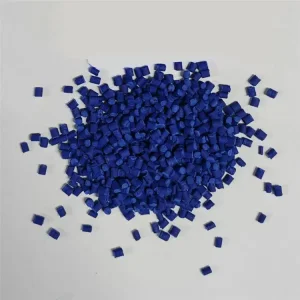
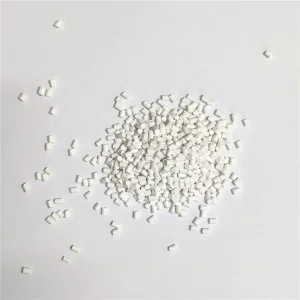
Engineered for optical clarity, thermal stability, non-migration properties, and extreme resistance up to 260°C processing temperatures.
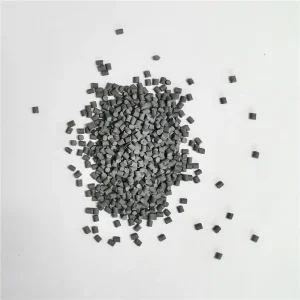
Navigating technical requirements, multi-layer co-extrusion complexities, and environmental endurance standards in modern agricultural plasticulture.
Modern commercial greenhouses rely heavily on 3-layer, 5-layer, and 7-layer blown film extrusions. Procurement directors must source PE masterbatch solutions engineered specifically for distinct film layers—ensuring outer-layer UV stabilization, core-layer mechanical strength, and inner-layer anti-dripping kinetics without interlayer delamination.
Agricultural yield relies on maximizing Photosynthetically Active Radiation (PAR, 400–700 nm) while filtering harmful solar ultraviolet radiation. High-grade PE color and additive masterbatches regulate light diffusion, minimize hot spots inside green structures, and prevent crop scorching during peak irradiance periods.
Vaporized sulfur, chlorine disinfectants, and pesticide sprays accelerate polyolefin degradation. Premier masterbatch manufacturers incorporate targeted Hindered Amine Light Stabilizers (HALS) and NOR-HALS additives that resist chemical deactivate, extending greenhouse film service life beyond 36–48 months.
From Melt Flow Index (MFI) matching to nanometer-scale pigment dispersion, explore the structural chemistry required for thin-gauge blown agricultural films.
A fundamental cause of bubble instability and gauge variation during high-speed film blowing is carrier resin mismatch. Our technical formulation utilizes virgin LLDPE and LDPE matrix resins with customized Melt Flow Indexes (MFI ranging from 4.0 to 20.0 g/10min at 190°C/2.16kg). This ensures seamless viscosity integration with base polyolefin resins, preventing melt fracture, gel creation, and die-lip buildup.
Furthermore, strict control over Molecular Weight Distribution (MWD) permits high pigment and inorganic filler concentrations (up to 75% loading) without compromising the tensile elongation at break of final 30–200 micron agricultural films.
Water droplets forming on greenhouse inner walls reduce PAR light transmission by up to 30% and promote fungal crop diseases. Advanced greenhouse film blown film PE masterbatch incorporates non-migratory surfactant blends (such as polyglycerol fatty acid esters and sorbitan esters).
These additives migrate controlledly to the film surface, elevating surface energy to >50 dynes/cm. Condensing water forms a continuous, ultra-thin transparent sheet rather than light-blocking droplets, maintaining maximum solar exposure while channeling runoff safely into side drain channels.
| Technical Parameter | Standard PE Color Masterbatch | Heavy-Duty Blown Film Masterbatch | CaCO₃ / Functional Filler Masterbatch |
|---|---|---|---|
| Carrier Base Resin | LDPE / LLDPE Virgin Matrix | High-MFI LLDPE / mPE Grade | Linear Low-Density Polyethylene |
| Pigment / Active Loading | 30% – 50% Concentration | 40% – 70% Micro-Pigment Dispersion | 70% – 82% Ultrafine CaCO₃ (0.8–1.2µm) |
| Thermal Stability Rating | 220°C – 240°C | 260°C – 280°C Non-Discoloration | 240°C – 260°C Thermal Endurance |
| Filter Test Value (FTV) | < 1.5 bar/g (100 mesh) | < 0.5 bar/g (400 mesh high fine) | < 0.8 bar/g (200 mesh) |
| Moisture Content | < 0.10% Max | < 0.03% Ultra-Dry Processed | < 0.05% Moisture Sealed |
| Weatherability (Light Fastness) | Blue Wool Scale 6 – 7 | Blue Wool Scale 8 (Max UV Resistant) | N/A (Inorganic Matrix) |
Tailoring polyolefin masterbatch chemistries to meet geographical climate stresses, regulatory mandates, and local agricultural practices.
Focuses heavily on circular economy directives and rigorous chemical safety. EU film extruders mandate masterbatch complying with EU REACH (EC 1907/2006), heavy metal-free pigment compositions, and compatibility with post-consumer recycled (PCR) PE polyolefins without causing bubble breakage.
Procurement requirements across Southern US, Mexico, and arid regions prioritize extreme solar degradation protection. Films require specialized Masterbatch with combined HALS 622/783 stabilization systems capable of enduring over 160–200 kLy/year of solar radiation exposure.
Regions across Latin America, Southeast Asia, and the Middle East seek high cost-efficiency alongside mechanical durability. Sub-micron CaCO₃ filler masterbatches with ultra-clean filtration allow film extruders to reduce raw polymer cost by 15%–35% while maintaining bubble integrity.
Operating a state-of-the-art 6,000m² manufacturing facility engineered for zero-defect masterbatch production, strict quality control, and rapid global fulfillment.
Our facility operates multi-stage co-rotating twin-screw compounding extruders equipped with loss-in-weight gravimetric feeders. This ensures micro-precise dosing of raw pigments, additive concentrates, and polyolefin carrier resins within ±0.2% variance.
Under high shear and controlled thermal zones, agglomerates are systematically dispersed down to sub-micron particle sizes. This eliminates screen pack clogging in high-speed, thin-film blowing machines operated by our global buyers.
Every production batch undergoes comprehensive laboratory analysis prior to global export packaging:
From regulatory documentation to customized extrusion debugging, we partner with plastic blown film manufacturers worldwide.
All masterbatches comply fully with global food contact and environmental safety standards, including RoHS 2.0, REACH SVHC, FDA 21 CFR 177.1520, and heavy metal limits (EN 71-3). SDS and Certificate of Analysis (CoA) accompany every container shipment.
Leveraging Changzhou’s strategic proximity to Shanghai Port, our streamlined supply chain ensures rapid export processing. Standard orders are dispatched within 15 days, supported by moisture-proof vacuum-sealed packaging and containerized palletization.
Our senior polymer engineers provide remote and on-site technical guidance—assisting film manufacturers with let-down ratio (LDR) optimization, temperature profile adjustments, screw speed calibration, and pigment dispersion troubleshooting.
Detailed technical answers to help procurement officers and production engineers select the optimal masterbatch formulations.
Screen clogging is caused by un-dispersed pigment agglomerates or large filler particles. We eliminate this issue by employing multi-stage co-rotating twin-screw compounding combined with ultra-fine filtration (up to 400 mesh equivalent). Our masterbatches maintain a Filter Test Value (FTV) below 0.5 bar/g, guaranteeing smooth continuous extrusion without frequent downtime for screen changes.
We strictly utilize virgin LLDPE or high-melt-index LDPE carriers matching the exact polymer family of your base film resin. Using universal carriers like EVA or mismatched melt index resins can lead to phase separation, reduced film transparency, lower dart impact strength, and premature film tearing during stretching or blown bubble expansion.
Standard LDR ranges from 1% to 4% depending on final film gauge, opacity requirements, and active additive loading. Because our masterbatches feature high pigment loading (up to 70%), processors can achieve full opacity and brilliant coloration at lower dosage rates (e.g., 1.5%–2%), yielding substantial cost savings per ton of finished film.
Standard HALS stabilizers decompose rapidly in acidic environments created by sulfur burners and pesticides. Our specialized agricultural masterbatches incorporate NOR-HALS and metal quencher synergies that neutralize acidic radicals, ensuring film structural integrity and light transmittance remain stable over multi-year field exposure periods.
Yes. Moisture levels above 0.1% volatilize inside the extruder barrel, causing moisture streaks, micro-pinholes, and bubble rupture in blown films under 50 microns. Jiazhou masterbatches undergo controlled desiccant compounding and sealed aluminum foil vacuum packaging, maintaining moisture levels strictly below 0.03% to guarantee flawless bubble stability.
Premium color solutions, silver metallic masterbatches, bright whites, and high-weatherability formulations for extrusion and injection processes.