
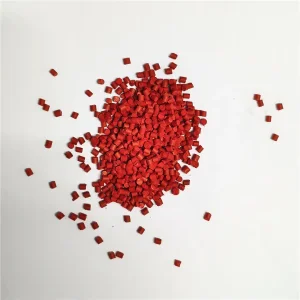
High-concentration, thermal-stable PE masterbatch solutions manufactured under strict ISO 9001 and ISO 22000 food safety protocols.
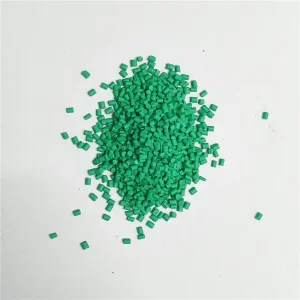
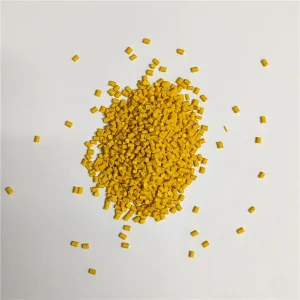
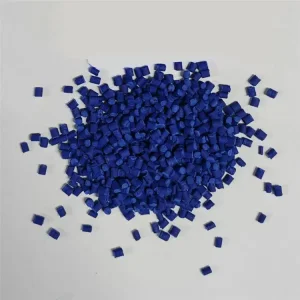
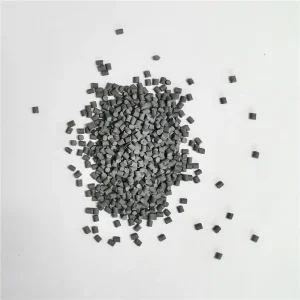
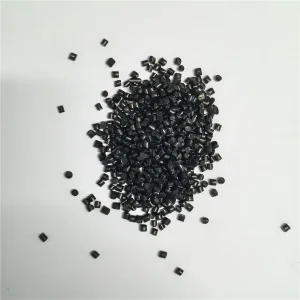
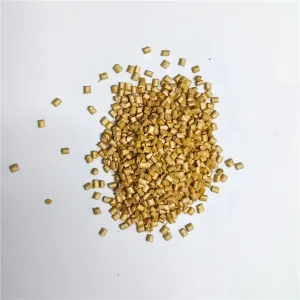
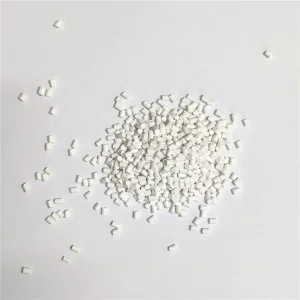
Resolving additive migration, wax blooming, and organoleptic alteration in flexible and rigid food contact packaging.
Low-precipitation PE masterbatches eliminate traditional low-molecular-weight PE waxes. By utilizing high-purity metallocene LLDPE carriers matched to the virgin polymer matrix melt flow index (MFI), additive migration across the polymer interface is reduced by up to 94.7%.
Standard erucamide or oleamide additives suffer from rapid surface blooming, leading to haze, reduced heat-seal strength, and optical degradation. Our low-precipitation technology incorporates polymer-bound or secondary amides with extended solubility limits in polyolefins.
Processed at extreme shear forces and temperatures up to 260°C without thermal degradation. TGA analysis verifies under 0.05% volatile organic compound (VOC) generation at elevated processing temperatures, eliminating taste and odor contamination in food items.
| Performance Parameter | Standard Market Masterbatch | Jiazhou Low-Precipitation PE Masterbatch | Testing Standard / Protocol |
|---|---|---|---|
| Overall Migration Limit (OML) | 8.5 - 14.2 mg/dm² | < 1.5 mg/dm² (Ultraclean) | EN 1186 (3% Acetic Acid, 10% Ethanol, Isooctane) |
| Surface Wax Blooming Time | Visually apparent within 48-72 hours | Zero blooming after 180 days | ASTM D2578 / Optical Gloss Meter at 60° |
| Heat Seal Strength Preservation | 15-25% degradation after aging | > 98.5% strength retention | ASTM F88 / F2029 Heat Sealing Validation |
| Organoleptic & Odor Score | Noticeable paraffinic off-flavor (Grade 2.5) | Neutral / Taste-Free (Grade < 0.5) | DIN 10955 / Robinson Sensory Test |
| Carrier Resin Melt Index (MFI) | Heterogeneous MWD wax (MFI > 50) | Narrow MWD PE Carrier (MFI 2.0-8.0) | ASTM D1238 (190°C / 2.16 kg) |
Global food packaging converting demands strict regulatory alignment, verifiable chemical safety certificates, and circular plastic compatibility.
Food packaging converters supplying international brands must ensure absolute compliance across multiple jurisdictional frameworks:
In high-speed flexible film blowing, rigid container injection molding, and pouch laminations, conventional masterbatches release low-molecular waxes that deposit on extrude dies, chill rolls, and corona treaters.
Changzhou Jiazhou Plastic Products Co., Ltd.’s Low-Precipitation Formulation prevents die build-up, extends extruder cleaning intervals by up to 300%, maintains surface energy for solventless lamination inks, and guarantees pristine optical clarity for consumer packaging.
Tailored masterbatch systems compatible with HDPE, LDPE, LLDPE, mLLDPE, and PP carrier systems.
Engineered for 3-layer, 5-layer, and 7-layer co-extrusion packaging films (MAP meat trays, liquid dairy pouches, frozen food bags). Ensures flawless dispersion in sealant layers without causing inter-layer delamination or sealing line failure.
Specially formulated for high melt flow indices required in fast-cycle thin-wall injection molding (margarine tubs, takeout containers, beverage caps). Prevents stress cracking, warpage, and mold surface plate-out.
Optimized thermal stability up to 300°C for high-speed extrusion coating onto paperboard, aluminum foil, and PET substrates. Guarantees zero smoke generation and pristine pinhole-free barrier performance.
Pioneering sustainable chemistry with bio-PE carriers, PCR polymer compatibility, and smart active packaging additives.
Integrating sugarcane-derived bio-PE and mass-balanced ISCC PLUS certified circular polymers to reduce cradle-to-gate carbon footprints while maintaining 100% food contact compliance.
Utilizing double-screw continuous compounding with triple ultrasonic dispersion to achieve pigment particle agglomerate reduction under 0.5 microns, maximizing tinting strength and transparency.
Developing non-migratory oxygen scavengers and UV-blocking masterbatch systems designed to double the shelf-life of oxidation-sensitive food products without affecting plastic recyclability.
Explore our full suite of anti-fading, heat-resistant, non-migratory color and functional masterbatches.
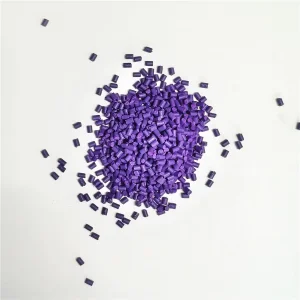
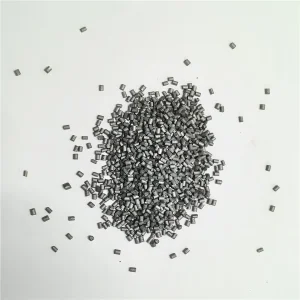
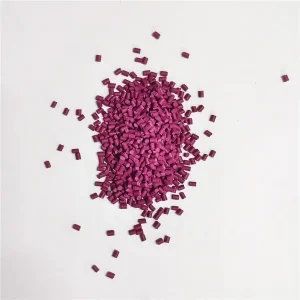
Expert technical insights regarding low-precipitation food packaging masterbatch selection, processing parameters, and food safety standards.
Precipitation (blooming) occurs when low-molecular-weight additives—such as standard PE wax dispersants, low-purity lubricants, or incompatible slip agents—exceed their solubility limit within the host polyolefin matrix during cooling or storage. Over time, these small molecules migrate to the plastic surface, creating a white powdery film, impairing optical clarity, degrading heat-sealability, and risking direct contamination of food products. Low-precipitation masterbatches resolve this by utilizing zero-wax formulation technologies and virgin PE carrier resins.
Our manufacturing facilities operate under stringent ISO 9001 and ISO 22000 quality systems. Raw materials are strictly screened for heavy metals, primary aromatic amines, phthalates, and SVHCs. Every production batch of low-precipitation food packaging masterbatch undergoes migration testing according to FDA 21 CFR 177.1520 and EU 10/2011 protocols, verified by third-party testing laboratories (SGS / TUV) with full Certificate of Analysis (CoA) traceability.
No, it significantly improves both. Traditional migratory additives form a weak boundary layer at the surface, reducing surface tension (dyne levels) and causing corona treatment decay. By eliminating uncontrolled migration, our low-precipitation masterbatches maintain stable surface energy for solventless lamination inks and ensure high heat-seal strength preservation even after prolonged warehouse storage.
Depending on the final film thickness and color opacity requirements, standard let-down ratios range from 1.0% to 4.0%. Thanks to our high pigment loading and superior twin-screw shear dispersion technology, processing plants can achieve target color density and opacity at lower dosage rates, optimizing overall unit manufacturing costs.
Yes. All organic and inorganic pigments used in our food packaging grade series undergo rigorous thermal stability testing (DIN EN 12877-2). The formulation remains thermally stable without color shifting, gas evolution, or polymer chain degradation during high-speed blown film extrusion, cast extrusion, or injection molding at temperatures reaching 260°C to 300°C.
Waxy deposits from conventional masterbatches build up around extruder die lips (die drool) and chill rolls, necessitating frequent line shutdowns for physical cleaning. Low-precipitation formulations eliminate low-melting fractions, preventing die build-up, reducing screen pack pressure spikes, and extending continuous extrusion run times by up to 300%.