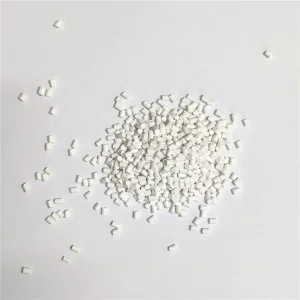
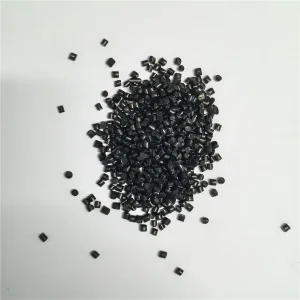
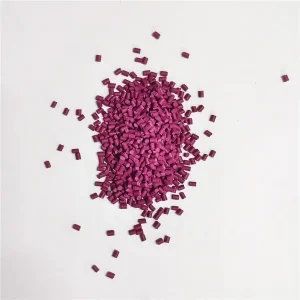
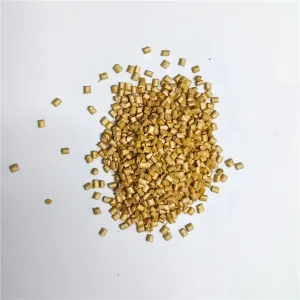
Explore our high-concentration, ultra-low volatile PE color masterbatches engineered for injection molding, blown film, and technical profile extrusions.
Understanding the molecular dynamics, VOC degradation mechanisms, and carrier purity in polymer compounding.
In modern polyolefin processing, the demand for low volatile Polyethylene (PE) masterbatch has shifted from a specialized technical requirement to a baseline industry mandate. Volatile Organic Compounds (VOCs), low-molecular-weight waxes, residual monomers, and degradation byproducts in standard masterbatches present severe operational hazards: they cause windshield fogging in automotive cabins, impart off-odors in food packaging, create die-build-up during high-speed film extrusion, and compromise the structural integrity of high-purity medical devices.
Technical Information Gain: Low volatile PE masterbatch is manufactured using high-purity linear low-density polyethylene (LLDPE) or high-density polyethylene (HDPE) resins subjected to multi-stage vacuum devolatilization during twin-screw compounding. This process strips residual hydrocarbon fractions (C10–C30 oligomers) to achieve gravimetric fogging values below 0.5 mg (VDA 278 standards) and VOC levels under 50 ppm.
Standard PE masterbatch additives frequently rely on low-cost paraffin waxes or low-melting PE waxes as dispersion aids. Under thermal processing temperatures between 180°C and 260°C, these low-molecular-weight additives undergo thermal-oxidative scission. The resulting outgassing causes surface haze, plate-out on hot tooling, and atmospheric emissions within processing plants. High-quality low volatile PE masterbatch companies eliminate these low-boiling constituents by integrating advanced hyper-dispersants, reactive coupling agents, and primary/secondary antioxidant packages (such as hindered phenols and phosphites) that protect the polyolefin matrix against chain scission.
Macroeconomic factors, ESG metrics, and international compliance reshaping B2B masterbatch procurement.
Global OEMs (including BMW, Volkswagen, and Tesla) enforce stringent indoor air quality standards (IAQ). Masterbatches used in instrument panels, door trims, and air ducts must pass VDA 278 thermal desorption analysis to eliminate volatile organic condensates that cause windshield fogging and objectionable interior odors.
Migratable low-molecular-weight species alter taste profiles and violate EU Regulation No 10/2011 and US FDA 21 CFR 177.1520. Low volatile PE masterbatch utilizes certified non-migratory pigments and virgin polymer carriers to ensure zero organoleptic distortion in beverage caps, flexible films, and rigid containers.
As recycled PE (PCR-HDPE and PCR-LLDPE) gains global traction, adding standard masterbatches can exacerbate polymer degradation during re-processing. Low volatile formulations stabilize recycled resin matrices, preventing thermal breakdown during multi-pass extrusion.
How leading manufacturers achieve high pigment loading alongside minimal volatile outgassing.
Producing a high-concentration, ultra-low volatile PE masterbatch requires dedicated compounding architecture. Standard single-screw or basic twin-screw extruders lack the vacuum degassing capabilities and shear rate control required to remove entrapped moisture, residual polymerization solvents, and low-boiling oligomers.
High L/D ratio (44:1 to 52:1) twin-screw extruders featuring multiple atmospheric and high-vacuum side-degassing ports operating at -0.098 MPa pull off volatile fractions during the melt state.
Replacing traditional low-melting wax additives with high-molecular-weight polymeric dispersants. These chemical agents wrap pigment particles, preventing agglomeration without degrading at high heat.
Closed-loop underwater pelletizing systems rapidly quench pellets, sealing the polymer surface and preventing atmospheric oxidation and dust generation during post-production drying.
In-line Headspace Gas Chromatography-Mass Spectrometry (HS-GC-MS) verifies volatile chemical signatures for every production batch before release.
How advanced manufacturing clusters in Jiangsu offer global enterprises unprecedented scale and quality assurance.
China's chemical and polymer masterbatch sector has undergone a massive transformation driven by Industry 4.0 digitalization and strict environmental regulations. Modern facilities in industrial centers like Changzhou, Jiangsu, combine upstream chemical raw material integration with automated production technologies, positioning Chinese manufacturers as pivotal partners for global B2B procurement.
Eliminating human error in pigment loading. Computer-controlled gravimetric dosing systems feed raw pigments, additives, and virgin PE carriers at precision tolerances within ±0.2%, ensuring absolute color matching (ΔE < 0.4) across multi-ton orders.
Proximity to world-class petrochemical hubs provides direct access to prime-grade virgin LLDPE/HDPE carrier resins and high-purity inorganic pigments (such as Rutile TiO₂ and specialty Furnace Carbon Blacks), guaranteeing raw material purity.
With standardized 15-day production cycles, ISO 9001/14001 certification, and direct maritime shipping corridors, Chinese manufacturers provide dependable delivery schedules and customized OEM/ODM color matching for global converters.
Tailored low volatile masterbatch formulations designed for distinct end-use plastic converting technologies.
Processing: Injection Molding
Key Metric: VDA 278 Fogging < 0.3 mg
Low volatile masterbatches prevent condensate film formation on inner windshield glass and preserve clean interior cabin air quality across extreme cabin temperatures.
Processing: Blown Film Extrusion
Key Metric: Organoleptic / Odor Rating 0-1
Ultra-clean PE carrier white and color masterbatches eliminate volatile off-gassing, keeping packaged water, dairy, and food items free from chemical taste distortion.
Processing: Blow Molding / Injection
Key Metric: USP Class VI / ISO 10993
High-purity masterbatches formulated without heavy metals, phthalates, or low-MW waxes, suitable for gamma radiation and autoclave sterilization without outgassing.
Processing: Heavy-Duty Extrusion
Key Metric: High UV Stability & Non-Blooming
High-density PE black masterbatch with ultra-low volatile additives that prevent premature thermal degradation under prolonged intense solar radiation.
Quantitative evaluation: Low Volatile PE Masterbatch vs. Standard Commercial Masterbatch.
| Performance Parameter | Standard PE Color Masterbatch | High-Quality Low Volatile PE Masterbatch | Testing Standard / Methodology |
|---|---|---|---|
| Total VOC Emissions | 250 - 600 ppm | < 50 ppm | VDA 278 (Thermal Desorption) |
| Gravimetric Fogging Value | 1.2 - 2.5 mg | < 0.3 mg | ISO 6452 / DIN 75201 |
| Dispersion Aid Type | Low MW PE Wax / Paraffin Waxes | Polymeric Hyper-Dispersants | Rheological & Spectroscopic Analysis |
| Thermal Stability Limit | 200°C - 220°C | 260°C - 300°C | TGA (Thermogravimetric Analysis) |
| Extruder Die Build-up (Plate-out) | Moderate to High (Frequent Shutdowns) | Zero / Negligible | Continuous Production Run Hours |
| Organoleptic Odor Profile | Noticeable Hydrocarbon Odor | Odorless / Neutral | DIN 10955 Odor Test |
| Pigment Dispersion Quality | Filter Pressure Value (FPV) > 2.5 bar/g | FPV < 0.8 bar/g | EN 13900-5 Filter Test |
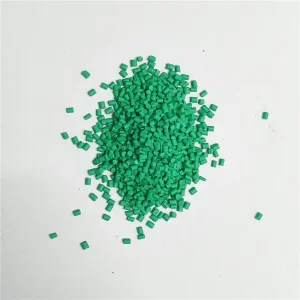
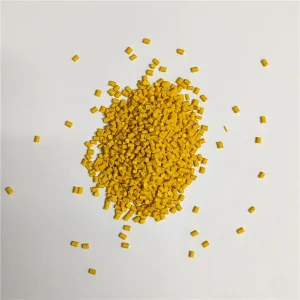
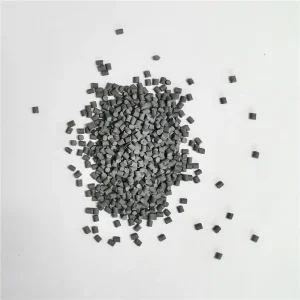
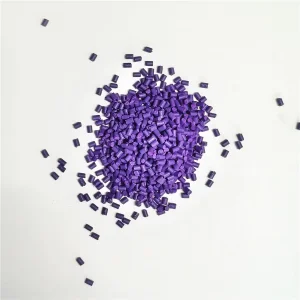
Select from our standard and custom-matched low-volatile masterbatches for blown film, injection, and specialty extrusions.
Expert insights addressing volatile organic compounds, carrier resin compatibility, and quality verification.
Optimize your polyolefin processing with low-VOC, high-concentration PE masterbatches engineered in our ISO-certified 6,000m² manufacturing facility. Contact our polymer technical team for custom color matching and competitive B2B factory pricing.