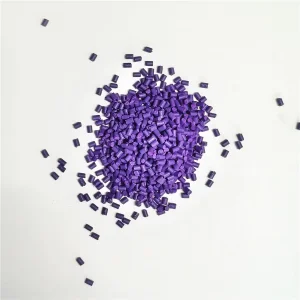
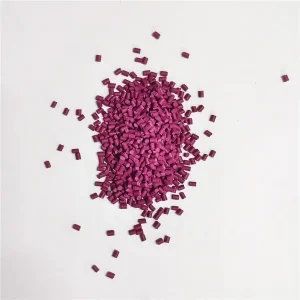
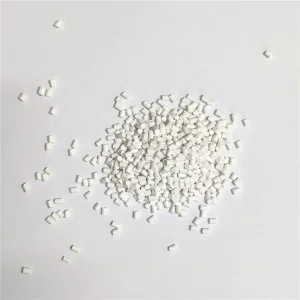
Engineered with high pigment loading, superior melt dispersion, and zero-defect melt-fracture controls for high-speed multi-layer blown film and extrusion lines.
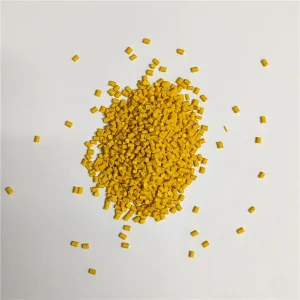
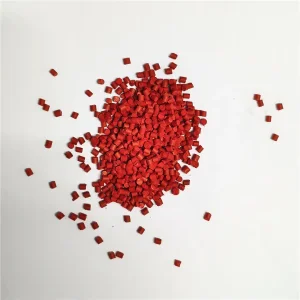
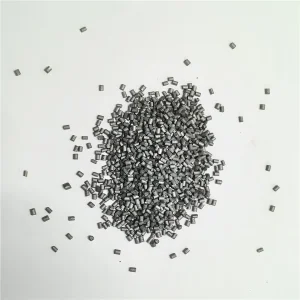
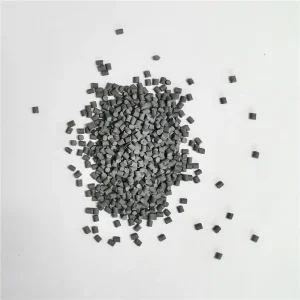
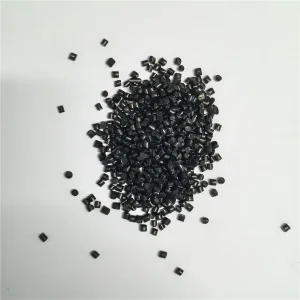
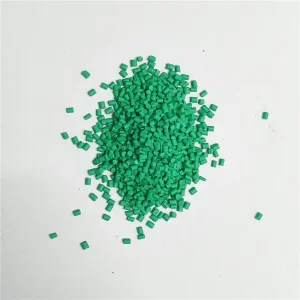
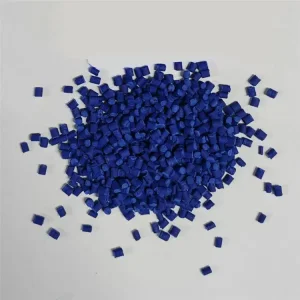
Agricultural mulch films represent one of the most demanding sub-sectors of thin-gauge flexible packaging, requiring extreme mechanical integrity down to 4–10 microns, ultra-precise additive stabilization, and zero melt-blown defect rates.
Our masterbatch compounds utilize narrow molecular weight distribution virgin LLDPE/LDPE carrier resins. By precisely matching the Melt Flow Index (MFI 2.0 to 20.0 g/10min at 190°C/2.16kg) to your host polymer, we prevent phase separation, interfacial melt fracture, and gauge variation during bubble inflation.
Un-dispersed pigment agglomerates or filler particulates lead to pinhole formation and tear initiation in mulch films. Utilizing triple-stage continuous twin-screw compounding with melt filtration down to 15 microns, our PE masterbatch guarantees sub-micron particle dispersion and ultra-low FPV rates.
Mulch films face severe environmental degradation from intense UV irradiation, elevated ground temperatures, and agrochemical exposure (sulfur, chlorine, and organic pesticides). Our proprietary formulation integrates NOR-type Hindered Amine Light Stabilizers (HALS) and antioxidant complexes (AO-1010/AO-168).
As global agriculture transitions toward sustainable farming, microplastic reduction, and extreme climate adaptation, our continuous R&D drives next-level performance in blown film masterbatch chemistry.
Standard basic HALS light stabilizers deactivate rapidly when exposed to acidic sulfur and halogenated pesticides used in soil fumigation. Our future-proof roadmap incorporates Non-Basic Methylated HALS (NOR-HALS), preventing premature photo-oxidative degradation and maintaining film tensile strength over 24+ months of continuous field exposure.
Incorporating functional nano-metal oxides and complex inorganic color pigments (CICP), our thermal barrier silver/black masterbatches selectively reflect Near-Infrared Radiation (700–2500 nm). This reduces extreme soil temperature spikes during peak summer while preserving heat retention during cold nights.
To combat soil accumulation of residual microplastics, our R&D division has commercialized fully biodegradable masterbatch lines utilizing PBAT (Polybutyrate Adipate Terephthalate) and PLA carrier resins. These masterbatches match standard PE processing conditions while ensuring 100% soil-compostability under ISO 14855 / EN 13432 standards.
Different crops, climates, and soil topologies demand specialized optical and thermal film properties. We design targeted masterbatch formulations to address specific agricultural challenges.
The Agricultural Challenge: Pest control and soil heat management in high-value cash crops (strawberries, tomatoes, orchard trees).
Our Technical Solution: A dual-layer masterbatch system. The silver layer uses surface-modified metallic aluminum flake masterbatch (reflector for aphids and thrips), while the under-black layer utilizes fine-particle P.B.7 carbon black masterbatch (100% PAR block for complete weed suppression).
The Agricultural Challenge: Preventing weed germination without synthetic chemical herbicides, maintaining soil moisture during droughts.
Our Technical Solution: High-concentration PE Black Masterbatch (up to 50% Carbon Black loading). Formulated with 20-25nm primary particle size carbon black, providing maximum light absorption, high tensile elongation at break, and zero dye leaching.
The Agricultural Challenge: Early spring crop warming in cold northern latitudes without water droplet accumulation that causes light refraction burning.
Our Technical Solution: High-transparency PE Masterbatch integrated with non-migratory anti-fog agents and IR absorbers. Maintains >90% PAR transmission while forming a continuous hydrophilic water sheet to eliminate fog drops.
| Grade Code | Pigment / Additive Type | Carrier Resin | MFI (190°C/2.16kg) | Filter Value (FPV) | Primary Application |
|---|---|---|---|---|---|
| MB-BLK-500 | 50% High-Purity Carbon Black (22nm) | Virgin LLDPE | 4.5 g/10min | < 0.3 bar/g | High-opacity weed control black mulch films (4–15µm) |
| MB-SLV-300 | 30% Surface-Treated Metallic Aluminum | LDPE / mLLDPE | 8.0 g/10min | < 0.4 bar/g | Insect-repellent silver top-layer of dual mulch films |
| MB-UV-200 | 20% Synergistic NOR-HALS + Antioxidant | LLDPE | 12.0 g/10min | < 0.2 bar/g | 2-to-3 year multi-season agricultural film stabilization |
| MB-WHT-700 | 70% Rutile TiO2 (R109 Surface Treated) | Virgin LLDPE | 3.0 g/10min | < 0.3 bar/g | Silage stretch film, white reflective horticultural film |
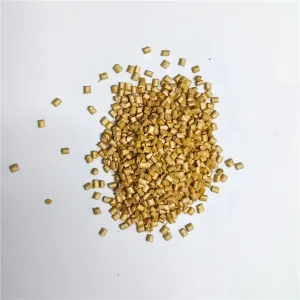
| MB-CLR-GOLD | 25% Weather-Resistant Isoindoline/Pearl | LDPE | 15.0 g/10min | < 0.5 bar/g | Color-coded specialty agricultural & packaging films |
Operating from a state-of-the-art 6,000m² manufacturing plant in Changzhou, Jiangsu Province, Changzhou Jiazhou Plastic Products Co., Ltd. combines 16 years of polymer compounding experience with Industry 4.0 automated quality control.
Our loss-in-weight gravimetric feeding systems ensure real-time accuracy within ±0.2% for pigment loading, additives, and polymer carriers. This eliminates batch-to-batch color variation (Delta E < 0.5) across high-volume procurement contracts.
Every batch undergoes rigorous quality assurance before dispatch: X-ray fluorescence (XRF) elemental analysis, Melt Flow Index (MFI) verification, Differential Scanning Calorimetry (DSC) thermal testing, and accelerated weatherometer UV exposure testing under DIN EN ISO 4892-3.
Leveraging Changzhou’s strategic proximity to Shanghai Port and long-term raw material strategic reserves (petrochemical partnerships with Sinopec and ExxonMobil), we guarantee standardized 15-day order-to-port dispatch even during peak agricultural purchasing cycles.
Navigating international chemical standards and regional agricultural regulations requires strict compliance and comprehensive technical documentation.
Fully compliant with EU Regulation (EC) No 1907/2006 (REACH) SVHC candidate list and Directive 2011/65/EU (RoHS 2.0). Zero heavy metals (Lead, Cadmium, Mercury, Hexavalent Chromium free).
Customized UV stabilization chemistry matched to regional annual solar radiation (kLy / kilo-Langley ratings). Formulations engineered specifically for Middle East (200-240 kLy), Southern Europe (140-160 kLy), and Latin America.
Selected white, clear, and color masterbatches meet FDA 21 CFR 177.1520 requirements for direct crop and produce contact, ensuring zero migration of hazardous chemicals into the food chain.
Formulated with non-migratory organic pigments and inert mineral carriers. Exceeds global eco-standards for agricultural soil preservation and post-harvest film recyclability.
Evaluating masterbatch procurement purely on per-kilogram price leads to hidden operational costs. Real efficiency lies in reducing Let-Down Ratios (LDR), eliminating film bubble breaks, and optimizing processing speeds.
By utilizing advanced dispersion technology, our masterbatches deliver target opacity and mechanical performance at an LDR of 1% to 3%, compared to standard 4% to 6% market offerings. This reduces freight costs, storage footprints, and total raw material expenditure by up to 18% annually.
Poorly dispersed masterbatches clog screen packs, forcing frequent extrusion line shutdowns. Our masterbatches feature ultra-low Filter Pressure Values (FPV < 0.3 bar/g), allowing continuous 72+ hour high-speed blown film extrusion runs without screen pack replacement.
Formulated and tested for seamless processing on world-leading co-extrusion blown film lines, including Reifenhäuser, Windmöller & Hölscher (W&H), Hosokawa Alpine, and Macchi, ensuring optimal melt homogenization without head pressure spikes.
Detailed answers from our polymer chemical engineering team regarding blown film extrusion, MFI matching, UV lifespan, and custom compounding.
Direct factory supply with worldwide export capability, comprehensive technical data sheets (TDS), and ISO-certified batch consistency.