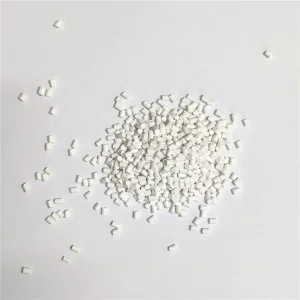
Custom High Concentration PE White Masterbatch Non-toxic Weather Resistant for Injection Molding Blown Film Extrusion
View Specifications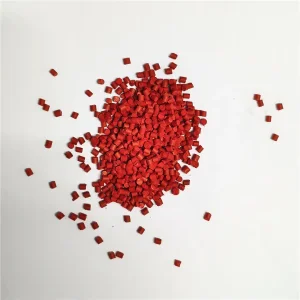
High-Quality High Concentration PE Red Masterbatch Bright Color 260°C Heat Resistant for Blown Film Injection Extrusion
View Specifications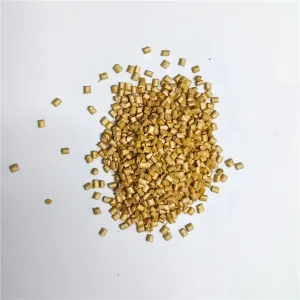
High-Quality High Concentration PE Gold Masterbatch Anti-fading Heat Resistant for Injection Blown Film Extrusion
View Specifications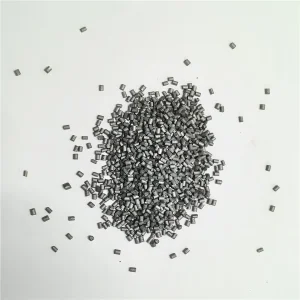
Custom High Concentration PE Silver Masterbatch Anti-fading High Weather Resistance for Blown Film Injection Extrusion
View Specifications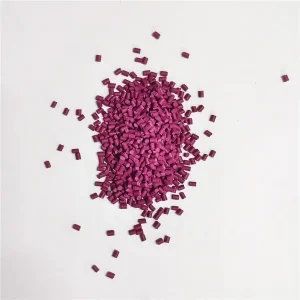
Cheap High Concentration PE Rose Red Masterbatch Anti-fading Heat Resistant for Blown Film Injection Extrusion
View Specifications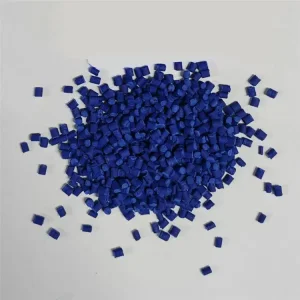
China High Concentration Blue Masterbatch PE Carrier for Plastic Injection Blowing Film Coloring
View Specifications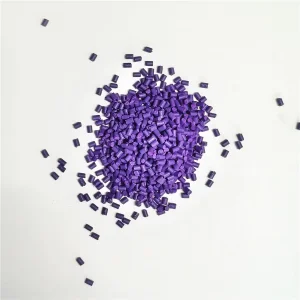
Cheap High Concentration PE Purple Masterbatch Anti-fading Stable Color for Blown Film Injection Extrusion
View Specifications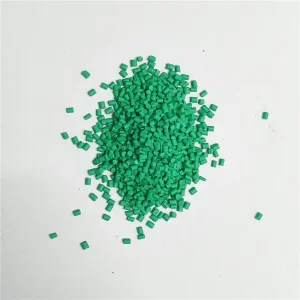
Custom High Concentration PE Green Masterbatch Anti-fading Heat Resistant for Injection Blown Film Extrusion
View SpecificationsIn modern polyolefin processing, polyethylene (PE) base color masterbatches represent the vital convergence of polymer rheology, surface chemistry, and optical engineering. A high-quality PE color masterbatch is far more than a simple blend of raw pigments and polyolefin resin; it is a meticulously engineered solid additive matrix designed to deliver homogeneous dispersion, thermal preservation, and chemical stability under extreme processing conditions.
The Melt Flow Index (MFI) of the PE carrier matrix must be precisely matched to or slightly higher than the target host polymer (LDPE, LLDPE, HDPE). Optimal melt viscosity differential prevents phase separation, streaking, and melt fracture during high-speed extrusion.
Through multi-stage co-rotating twin-screw compounding, primary organic and inorganic pigment particles are fully wetted and de-agglomerated down to sub-micron scales, achieving Filter Pressure Values (FPV) under 1.0 bar/g.
Incorporating targeted low-molecular-weight polyethylene waxes (PE Waxes) and specialized coupling agents lowers surface tension between polar pigment crystals and the non-polar PE matrix, guaranteeing zero blooming or migration.
The international masterbatch market is experiencing a profound shift toward high-performance, functionalized color solutions. Driven by rapid growth in flexible packaging, agricultural films, automotive components, and infrastructure piping, global industrial buyers are moving away from dry pigment powders and liquid colorants in favor of engineered PE masterbatches.
In ultra-thin LLDPE blown film extrusion (down to 10 microns), macro-inclusions or pigment agglomerates lead directly to film bubble instability and pinhole defects. Modern high-concentration masterbatches utilize refined titanium dioxide ($TiO_2$) and high-tint organic pigments to ensure flawless opacity and mechanical tensile strength without compromising dart drop resistance.
As global environmental mandates push converters to incorporate 30% to 100% PCR resins, color consistency becomes extremely challenging. Premium PE color masterbatches act as corrective optical modifiers, overriding batch-to-batch graying or yellowing variations inherent in recycled feedstocks while delivering UV stabilization (HALS) and thermal anti-oxidant protection.
| Performance Parameter | High-Concentration PE Masterbatch | Dry Powder Pigments | Liquid Color Systems |
|---|---|---|---|
| Dispersion Uniformity | Exceptional (Sub-micron level) | Poor (High risk of agglomeration) | Moderate to High |
| Dusting & Factory Hygiene | Zero Dusting (Encapsulated) | Severe Airborne Contamination | Messy Spills / Equipment Cleaning |
| Dosing Accuracy | Precise Gravimetric (1%-5%) | Volumetric Instability | Requires Peristaltic Pumps |
| Thermal Stability | Up to 260°C - 300°C | Varies (Pigment Exposure) | Carrier Degradation < 220°C |
| Storage & Shelf Life | Indefinite (Sealed, Dry) | Hygroscopic / Clumping Risk | Settling & Phase Separation |
Polymer processing requirements differ substantially across international climate zones and regulatory domains. Custom-formulated PE masterbatches address localized industrial demands by integrating chemical additives suited for specific end-use environments.
Agricultural & Geomembranes: Heavy-duty LLDPE greenhouse films and pond liners require specialized black and green masterbatches loaded with carbon black (20-25nm particle size) and HALS 944 light stabilizers to withstand intense solar UV radiation in sunbelt regions.
Food Contact & Pharma Packaging: Demands strict adherence to EU Regulation No 10/2011 and REACH standards. White and pastel PE masterbatches utilize ultra-pure Rutile $TiO_2$ to guarantee zero primary aromatic amine (PAA) migration in blow-molded bottles.
High-Humidity Packaging: Tropical environments necessitate masterbatch formulations with integrated desiccant (calcium oxide) and anti-block additives to prevent moisture-induced vapor voids during high-speed film blowing.
HDPE Infrastructure Piping: Pressure pipes for water and gas distribution demand high-concentration Blue and Black PE masterbatches that pass rigorous ISO 4427 carbon black dispersion ratings (≤ Grade 3) and thermal resistance testing.
The masterbatch manufacturing landscape is undergoing a technological revolution powered by material science innovations and artificial intelligence. Next-generation PE masterbatch formulation focuses on multi-functionality, precise optical sorting compatibility, and sustainable bio-based carriers.
Traditional carbon black masterbatches absorb Near-Infrared (NIR) radiation, rendering plastic waste invisible to automated recycling optical sorters. Innovative NIR-sortable black formulations utilize organic specialty dyes, allowing automated recycling plants to identify and sort HDPE/PP containers seamlessly.
Leveraging machine learning algorithms combined with spectrophotometric databases enables fast color recipe generation ($\Delta E < 0.2$). AI modeling predicts thermal degradation shifts and pigment-polymer interactions prior to physical twin-screw trial extrusion.
To align with global net-zero goals, modern masterbatch compounding replaces fossil-fuel PE resins with bio-based sugarcane PE or biodegradable PBAT/PLA carriers. These green masterbatches maintain identical dispersion characteristics while significantly reducing carbon footprints.
China’s masterbatch manufacturing ecosystem—centered in advanced industrial clusters like Changzhou, Jiangsu—provides unprecedented global supply chain advantages. The integration of raw material upstream synthesis, precision machinery engineering, and world-class port infrastructure delivers an unmatched value proposition for international B2B buyers.
Proximity to world-class petrochemical refineries and titanium dioxide manufacturers ensures consistent supply of prime virgin PE resins (Sinopec, CNPC) and premium pigments. This vertical integration buffers international buyers against global price volatility and raw material shortages.
Chinese masterbatch facilities deploy state-of-the-art co-rotating twin-screw extruders featuring loss-in-weight gravimetric feeders, underwater pelletizing systems, and continuous melt filtration. This automation ensures strict batch-to-batch consistency across thousand-ton orders.
Leveraging Changzhou's strategic proximity to Shanghai Port, lead times are compressed to under 15 days from color matching to containerized shipment. Flexible production scheduling accommodates custom small-batch color matching alongside large-volume industrial commodity orders.
Rigorous quality assurance is the cornerstone of premium masterbatch manufacturing. Every masterbatch formulation undergoes comprehensive analytical testing to guarantee compliance with international environmental and safety mandates.
Our quality control laboratories utilize Datacolor spectrophotometers for precise color difference analysis ($\Delta E$), X-ray Fluorescence (XRF) spectrometers for heavy metal screening, Melt Flow Indexers (MFI) for rheological verification, and two-roll laboratory mills for dispersion checking. Every batch is archived with a Certificate of Analysis (COA).
All high-quality PE base color masterbatches are formulated to meet stringent global standards, including FDA 21 CFR 177.1520 for food contact, EU RoHS 3.0 (Directive 2015/863), REACH SVHC candidate list compliance, EN 71-3 toy safety standards, and Halogen-Free certifications.
Expert responses to critical engineering and procurement inquiries regarding PE base masterbatch performance and processing optimization.
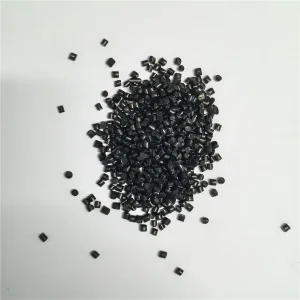
China High Concentration PE Black Masterbatch Eco-friendly 260°C Heat Resistant for Blown Film Injection Extrusion
View Specifications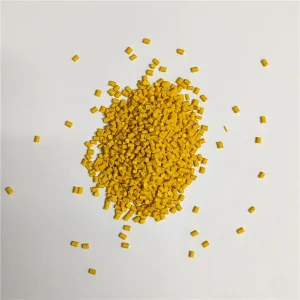
Custom High Concentration PE Yellow Masterbatch Non-toxic Anti-migration for Blown Film Injection Extrusion
View Specifications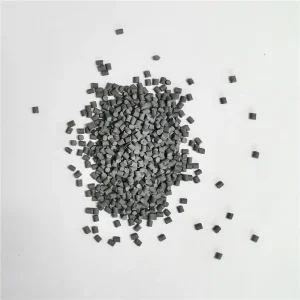
China High Concentration PE Grey Masterbatch Non-migration Heat Resistant for Blown Film Injection Extrusion
View Specifications
Custom High Concentration PE Green Masterbatch Anti-fading Heat Resistant for Injection Blown Film Extrusion
View Specifications
Cheap High Concentration PE Purple Masterbatch Anti-fading Stable Color for Blown Film Injection Extrusion
View Specifications
China High Concentration Blue Masterbatch PE Carrier for Plastic Injection Blowing Film Coloring
View Specifications
Cheap High Concentration PE Rose Red Masterbatch Anti-fading Heat Resistant for Blown Film Injection Extrusion
View Specifications
Custom High Concentration PE Silver Masterbatch Anti-fading High Weather Resistance for Blown Film Injection Extrusion
View Specifications