Engineered for maximum tinting strength, superior thermal stability up to 260°C–300°C, and flawless rheological compatibility with LDPE, LLDPE, and HDPE resins.
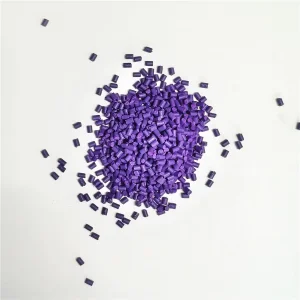
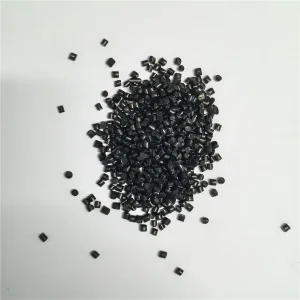
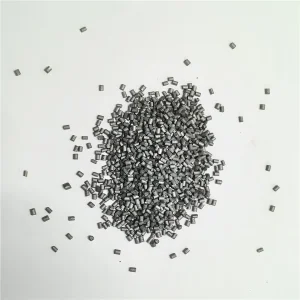
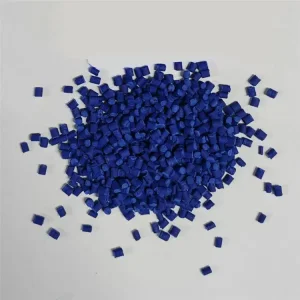
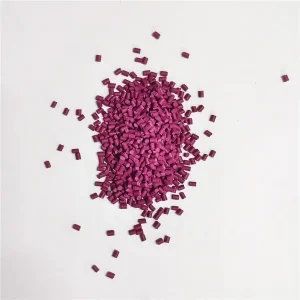
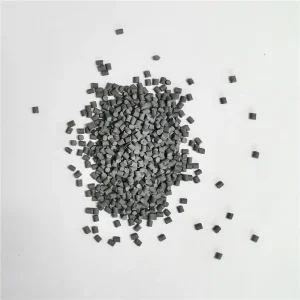
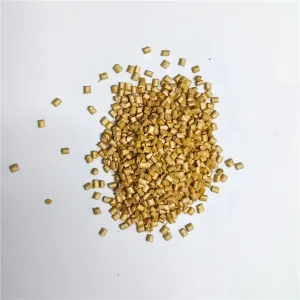
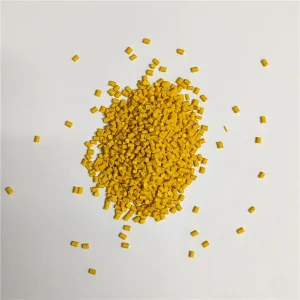
The global polyethylene (PE) pigment masterbatch market represents a critical cornerstone of modern polymer processing, supporting multi-billion dollar downstream industries ranging from flexible packaging and agricultural mulch films to high-density polyethylene (HDPE) industrial pipe extrusion and automotive blow-molded containers. As global plastic converters face intensifying margin pressures, tightening environmental regulations (such as REACH, RoHS, and FDA food-contact directives), and heightened end-user demands for absolute color consistency (measured within micro Delta E tolerances), the selection of high-quality PE pigment masterbatch suppliers has shifted from a transactional procurement decision to a strategic engineering partnership.
Polyethylene masterbatches are solid additive mixtures comprising high-density organic or inorganic pigments, tailored carrier resins (specifically matching melt flow index profiles of LDPE, LLDPE, or HDPE), and specialized dispersing agents (such as low-molecular-weight polyethylene waxes and metallic stearates). The primary technical advantage of using a dedicated PE pigment masterbatch—over direct liquid coloring or raw pigment powder blending—lies in its ability to achieve uniform pigment deagglomeration, eliminate dust contamination in processing facilities, prevent screw slippage in extruders, and ensure stable thermal protection during high-shear compounding.
In modern industrial manufacturing, supply chain dynamics require PE pigment masterbatch companies to offer not only standard color catalogs (such as high-opacity TiO2 white, high-jetness channel black, phthalocyanine blue/green, and isoindolinone yellow) but also custom-formulated additive-pigment multifunctional concentrates. These advanced formulations integrate UV stabilizers (HALS), anti-static agents, slip additives (erucamide/oleamide), and antioxidants into a single masterbatch matrix. This multi-functional approach significantly simplifies inventory management for plastic converters and reduces batch-to-batch thermal stress on virgin polyolefin resins.
Achieving superior performance in PE color masterbatches requires strict adherence to polymer rheology and particle surface science. The masterbatch manufacturing process involves three primary thermodynamically driven phases: premixing raw pigment powders with micro-pelletized resin, high-shear compounding via co-rotating twin-screw extruders, and underwater or strand pelletization followed by optical sorting.
A primary failure mode in plastic coloring—such as pinhole creation in ultra-thin blown films or surface streak formation in high-speed injection molding—stems from a mismatch between the Melt Flow Index (MFI) of the masterbatch carrier resin and the base substrate polymer. Top-tier PE masterbatch suppliers utilize virgin low-density polyethylene (LDPE) or linear low-density polyethylene (LLDPE) carriers with an MFI higher than that of the target processing resin (typically 15 g/10 min to 45 g/10 min at 190°C/2.16kg). This MFI differential ensures rapid, uniform thermal melting and complete spatial distribution of pigment particles during short extruder residence times.
Raw organic and inorganic pigments naturally aggregate into primary particles, secondary aggregates, and tertiary agglomerates held together by Van der Waals forces. High-performance compounding extruders utilize specialized screw geometries—incorporating kneading blocks, mixing elements, and high-shear dispersion zones—to break down agglomerates to sub-micron primary dimensions (typically < 1 µm for titanium dioxide and < 20 nm for high-jetness carbon black).
To guarantee zero filter clogging in fine-denier fiber spinning or thin film extrusion, leading PE pigment masterbatch manufacturers certify their products against the European standard DIN EN 13900-5. An FPV rating below 1.0 bar/gram of pigment indicates exceptional dispersion quality, eliminating melt fracture, surface roughness, and mechanical weakness in final plastic components.
| Pigment Class | Pigment Loading Range (%) | Thermal Stability (°C) | Lightfastness (Blue Wool 1-8) | Primary Industrial Applications |
|---|---|---|---|---|
| Titanium Dioxide (Rutile TiO₂) | 50% - 70% | 280°C - 300°C | 8 (Maximum outdoor fastness) | White opaque packaging films, dairy bottles, agricultural sheeting |
| P-Type Carbon Black | 30% - 50% | 280°C - 300°C | 8 (Extreme UV protection) | Geomembranes, HDPE pressure pipes, cable jacketing |
| Phthalocyanine Blues / Greens | 20% - 40% | 260°C - 280°C | 7 - 8 | Industrial crates, beverage caps, woven sack lamination |
| High-Performance Organics (Azo/Isoindoline) | 15% - 35% | 240°C - 260°C | 6 - 7 | Consumer electronics housing, toys, flexible packaging |
| Metallic / Pearl Effects | 10% - 25% | 220°C - 250°C | 6 - 7 | Cosmetic packaging, premium blow-molded containers |
The operational success of PE pigment masterbatch integration varies considerably depending on the processing methodology, equipment configuration, and localized end-use environmental conditions. Verified suppliers engineer tailored formulations specifically designed to overcome process-specific hurdles across five core industrial manufacturing sectors:
Challenge: Bubble instability, die-build-up, pinholes, and thickness variations in thin LDPE/LLDPE shopping bags, courier pouches, and food wrap films.
Engineered Solution: High-concentration masterbatches with sub-micron particle sizing, ultra-low moisture content (< 0.05%), and added fluoropolymer-based processing aids (PPA) to prevent melt fracture and die lip buildup.
Challenge: Warpage, differential shrinkage, sink marks, and long cycle times in heavy-duty HDPE industrial crates, pallets, and household storage containers.
Engineered Solution: Non-nucleating pigment masterbatches specifically selected to prevent internal crystal nucleation in HDPE, eliminating dimensional distortion while maintaining vibrant color saturation at lower dosing rates (1% to 3%).
Challenge: Severe long-term outdoor weathering, UV degradation, stress cracking, and hydrostatic pressure resistance in potable water and gas distribution pipelines.
Engineered Solution: P-type Carbon Black masterbatches containing fine particle size carbon (15 nm to 25 nm) blended with primary and secondary phenolic antioxidants, ensuring a minimum 50-year service life under intense solar radiation.
Challenge: Environmental Stress Cracking (ESCR), color migration into liquid contents, and non-compliance with strict international food-contact hygiene regulations.
Engineered Solution: FDA 21 CFR 178.3297 and EU 10/2011 compliant non-migratory organic pigment masterbatches tested for zero heavy-metal leaching and high environmental stress-crack resistance.
Driven by the global transition toward a circular plastics economy, carbon neutrality mandates, and smart manufacturing technologies, the research and development pipeline of leading PE pigment masterbatch companies is undergoing a profound shift. The upcoming decade will be defined by four key technological advancements:
Traditional carbon black absorbs Near-Infrared (NIR) radiation, making black plastics invisible to automated optical sorting equipment in post-consumer recycling facilities. Future-ready masterbatch suppliers are substituting conventional carbon black with NIR-transparent organic black pigments, enabling automated sorting and closed-loop recycling of black packaging waste.
To align with global Scope 3 carbon reduction goals, compounding technology is migrating from fossil-derived virgin LDPE carriers toward bio-based polyethylene (synthesized from sugarcane ethanol) and highly refined Post-Consumer Recycled (PCR) polyolefin carriers with guaranteed structural purity and odorless processing characteristics.
Advancements in nano-dispersed surface modification enable ultra-high pigment loading concentrates (up to 80% active pigment content) and carrierless micro-pellets. This breakthrough minimizes thermal history, drastically reduces shipping weights, and prevents carrier incompatibility in technical polymer alloys.
Integration of intelligent pigment chemistry capable of dynamic optical response—changing color tint based on structural stress, temperature thresholds, or UV exposure levels—serving high-value cold-chain medical packaging and smart industrial structural monitoring systems.
Selecting a reliable international supplier for PE pigment masterbatch requires rigorous supplier audit criteria beyond initial unit pricing. Global buyers must evaluate potential manufacturing partners against four critical performance pillars to protect production continuity and brand integrity:
Verify whether the manufacturer utilizes advanced spectrophotometers (such as Konica Minolta or X-Rite systems) with computerized CIELAB color matching software. Trustworthy suppliers enforce strict batch-to-batch visual and instrumental color tolerance limits of Delta E < 0.5, preventing batch variance during continuous high-volume production runs.
Ensure full compliance documentation is provided for target export markets, including SVHC (Substances of Very High Concern) under REACH, RoHS 3 heavy-metal prohibitions, EN 71-3 safety of toys, and FDA 21 CFR food-contact compliance certificates.
Assess the vendor's capital machinery infrastructure. World-class PE pigment masterbatch companies operate high-speed, co-rotating twin-screw extruders with dynamic loss-in-weight gravimetric feeders, underwater pelletizers, and inline optical quality scanners to eliminate human error during dosing.
Top suppliers maintain dedicated color laboratory facilities capable of rapid color matching (under 48–72 hours) and provide sample micro-pellets alongside standardized lab melt flow and filter test reports prior to full commercial production.
Explore our complete range of high-concentration pigment masterbatches engineered for maximum color loading, non-migration, and broad polymer compatibility.
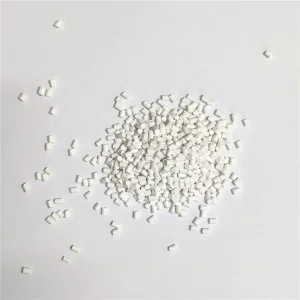
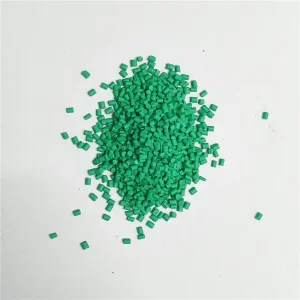
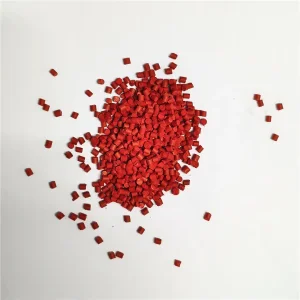
Expert insights answering common technical, processing, and procurement queries faced by plastic converters and polymer compounding engineers.
The standard let-down ratio (LDR) for high-concentration PE pigment masterbatches typically ranges between 1% and 4% by weight, depending on pigment concentration, opacity requirements, and target wall thickness. For opaque blown films (< 30 microns), an LDR of 2% to 3% is recommended. For thick-walled injection-molded parts, a lower LDR of 1% to 2% is often sufficient to achieve complete color coverage without altering the base resin's mechanical properties.
Using a PE masterbatch with an incompatible carrier resin (such as a PP or PS carrier in a PE substrate) causes severe phase separation, resulting in delamination, reduced impact strength, and surface hazing. A dedicated PE carrier (typically LLDPE or LDPE with a higher MFI than the base polymer) ensures smooth phase blending, uniform crystallization, and full retention of tensile and elongation strength in the final product.
Pigment migration occurs when low-molecular-weight organic dye molecules solubilize within the polyolefin amorphous phase and diffuse to the surface, creating a powdery film or staining adjacent materials. Migration is prevented by formulating masterbatches exclusively with high-molecular-weight organic pigments or inorganic metallic oxides that feature zero solubility in polyolefins and boast a fastness rating of 5 on the Gray Scale (ISO 105-A03).
Filter Pressure Value (DIN EN 13900-5) measures the rate of pressure buildup caused by pigment agglomerates when a melted masterbatch-polyolefin mixture passes through a standard fine mesh screen pack (e.g., 14-micron or 25-micron filter). A low FPV rating (< 1.0 bar/g) guarantees that the masterbatch contains no un-dispersed pigment clusters, eliminating screen pack blinding, frequent downtime, and film bubble breakage during continuous high-speed extrusion.
When stored in original unopened moisture-barrier aluminum or heavy-duty PE sacks within a cool, dry warehouse environment (temperature below 35°C, away from direct sunlight), PE pigment masterbatches have an official shelf life of 24 months. Hygroscopic formulations or those containing specialized additives (such as anti-static or slip agents) should be pre-dried in a desiccant hopper dryer at 70°C–80°C for 2 hours prior to processing if exposed to ambient humidity.