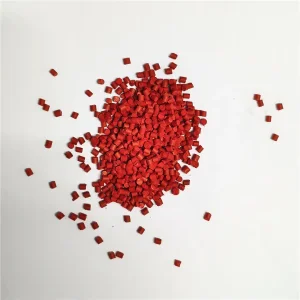
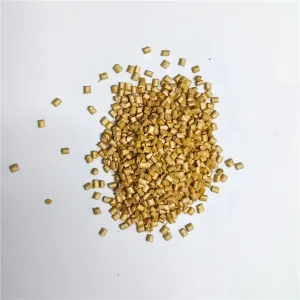
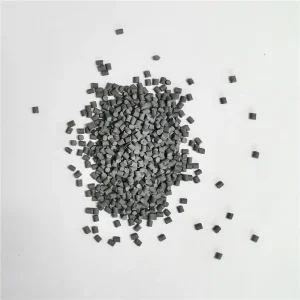
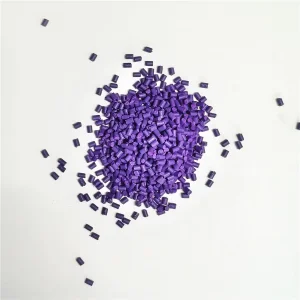
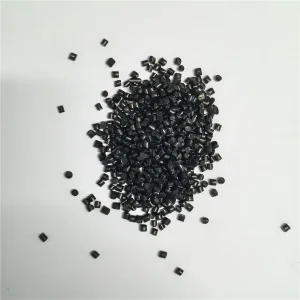
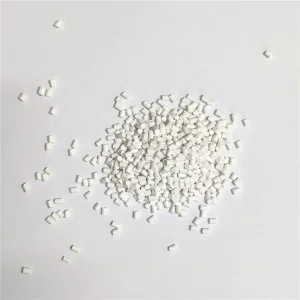
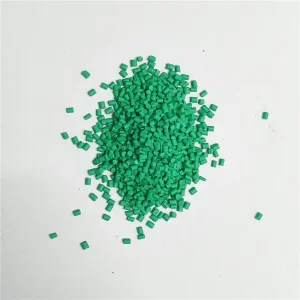
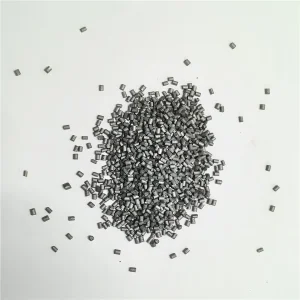
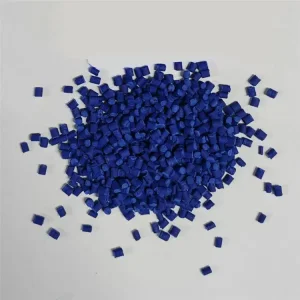
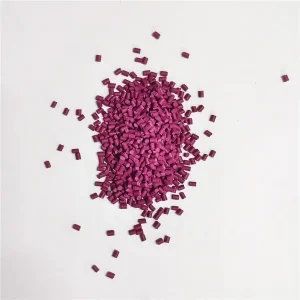
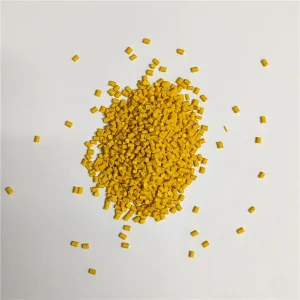
Engineered high-concentration PE/PP carriers for injection molding, blown film, and industrial profile extrusion.
Analyzing market dynamics, macromolecular color formulation, and high-performance polymer compounding.
The global polymer compounding market, specifically the plastic coloring compound and masterbatch manufacturing domain, represents a pivotal segment of modern chemical engineering.Valued at over $14.8 billion globally and expanding at a compound annual growth rate (CAGR) of 5.4%, modern plastic coloring is no longer merely an aesthetic requirement. It is a precise sub-discipline of macromolecular physics and chemical engineering, governing optical consistency, thermal protection, structural integrity, and regulatory compliance across multi-trillion-dollar downstream sectors including automotive, aerospace, medical devices, food packaging, and infrastructure.
Leading plastic coloring compound companies operate at the intersection of organic chemical synthesis, rheological optimization, and physics-based dispersion technology. Converting raw, unpigmented virgin or recycled polymers (such as PE, PP, ABS, PET, PC, and PA) into color-precise, functional end-products demands absolute control over pigment particle morphology, surface energy modification, shear-induced de-agglomeration, and thermal-oxidative stability.
Carrier-matched PE/PP color concentrates engineered with sub-micron pigment dispersion, ensuring zero streak formation during high-speed thin-wall injection and film blowing.
High-temperature coloring systems formulated for PC, PA6/66, PBT, and POM, capable of enduring extrusion heat cycles up to 320°C without chemical chromophore degradation.
Synergistic formulations combining high-chroma pigments with UV stabilizers (HALS), anti-static agents, antioxidants, and processing aids in a unified pellet matrix.
Quantitative performance indices governing tier-1 masterbatch factories and compounding plants.
Pioneering advancements reshaping plastic coloring chemistry and sustainability paradigms.
With global sustainability mandates accelerating, plastic coloring compound factories are radically altering their R&D focus toward Post-Consumer Recycled (PCR) resin stabilization. Recycled polymers carry inherent grey or yellowish undertones, inconsistent melt flow indexes, and residual thermal history. Advanced compounding plants utilize specialized "Color Correcting Masterbatches" infused with optical brighteners, complementary chromatic pigments, and antioxidant packages that neutralize matrix discoloration while restoring mechanical strength.
Traditional black plastic coloring relies heavily on standard Carbon Black pigments, which absorb Near-Infrared (NIR) radiation used by automated sorting equipment in recycling plants. Consequently, conventional black plastics are misidentified as waste and sent to landfills. Modern masterbatch companies have developed NIR-sortable black masterbatches utilizing specialty organic dyes and non-absorbing inorganic complexes. This innovation allows black plastic parts to be accurately scanned, sorted, and recycled within municipal waste streams.
Pigment particle agglomeration is the leading cause of pinhole defects in blown films, fiber breakage in textile spinning, and mechanical failure in injection-molded parts. Top-tier factories utilize twin-screw co-rotating extruders with specialized length-to-diameter ($L/D$) ratios (ranging from 40:1 to 48:1) equipped with high-shear kneaders. By coating pigment surfaces with nano-scale dispersants and coupling agents, companies achieve complete primary particle dispersion (< 1 micron), drastically reducing Filter Pressure Value (FPV) metrics.
| Technology Domain | Traditional Method | Next-Gen Masterbatch Innovation | Industrial Impact |
|---|---|---|---|
| Black Coloration | Standard Carbon Black (NIR Absorbent) | NIR-Detectable Organic Chromophores | Enables 100% circular sorting of dark polymers |
| Recycled Resin Matching | Manual Color Adjustment | AI Spectrophotometric Compensators | Eliminates batch-to-batch color drift in PCR |
| Thermal Stability | Basic Heavy-Metal Pigments | Encapsulated High-Heat Inorganics | Zero degradation up to 300°C; REACH compliant |
| Film Extrusion | Coarse Dispersion Powder Blend | Low-FPV Micro-Dispersed Concentrates | Zero pinhole flaws in ultra-thin 5-micron films |
Tailored compounding architectures engineered for high-stress operational environments.
High UV-resistant color compounds engineered for interior dashboards and exterior bumpers. Formulated to withstand 5000+ hours of Xenon-arc weatherometer exposure without chalking or fading.
Non-toxic, heavy-metal-free white and color masterbatches strictly compliant with US FDA 21 CFR, EU 10/2011, and GB9685 regulations for blow-molded bottles and thermoformed trays.
Heavy-duty color concentrates blended with HALS UV absorbers and thermal stabilizers designed for greenhouse films requiring 3 to 5 years of field durability under severe sunlight.
ISO 10993 cytotoxicity-tested color compounds produced in cleanroom conditions, resistant to gamma radiation, ETO, and autoclave sterilization protocols.
Specialized Blue and Yellow HDPE masterbatches offering high pigment loading, zero environmental stress cracking (ESCR), and 50-year service life stability for water and gas mains.
High-gloss, scratch-resistant metallic, pearl, and piano-black compounds engineered for ABS/PC blends with built-in UL94 V-0 flame retardancy.
Strategic directions in digital color matching, bio-carriers, and self-healing macromolecular systems.
The plastic coloring compounding industry is executing a profound technological transition. Over the next decade, competitive advantage will shift from simple mechanical blending to high-precision digital chemistry and eco-smart functionalization. Factory architectures are integrating Industry 4.0 IoT feedback loops directly into twin-screw extruder barrels, monitoring real-time melt rheology, optical density, and dispersion quality via inline spectrophotometers.
Development of 100% bio-derived masterbatches using PLA, PHA, and PBS carrier resins combined with certified organic plant-based or mineral chromophores, ensuring total compostability without ecotoxicity.
Algorithmic recipe adjustments in millisecond real-time during compounding extrusion. Gravimetric dosing feeders automatically re-calibrate pigment ratios to compensate for base resin yellowness variations.
Expert answers addressing buyer intent, polymer compatibility, and manufacturing protocols.
Explore our complete industrial portfolio of color and functional concentrate formulations.