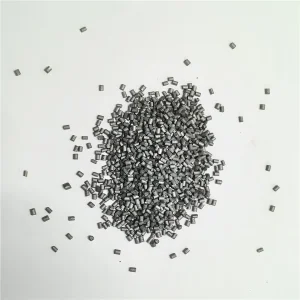
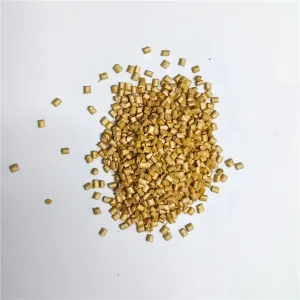
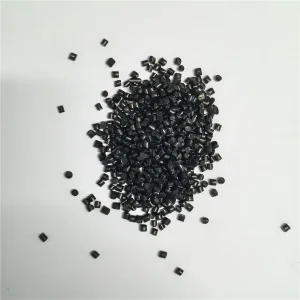
Engineered with virgin polyolefin carriers for blown film, high-speed extrusion, and thin-wall precision injection molding.
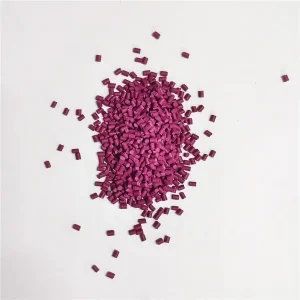
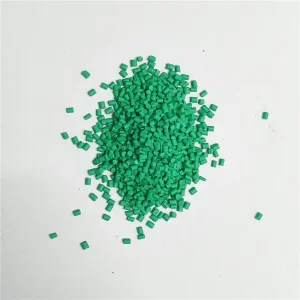
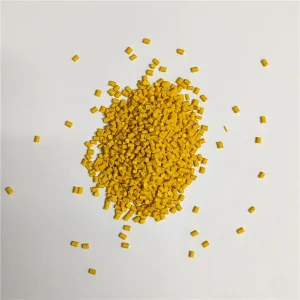
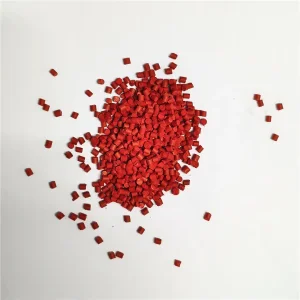
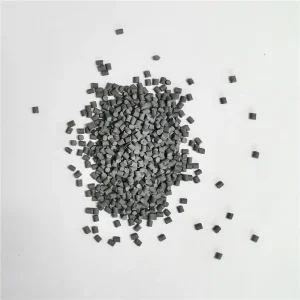
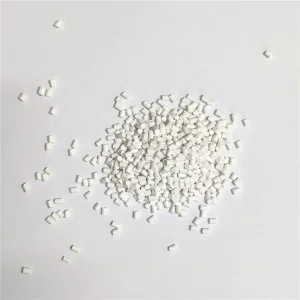
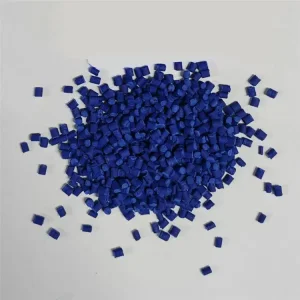
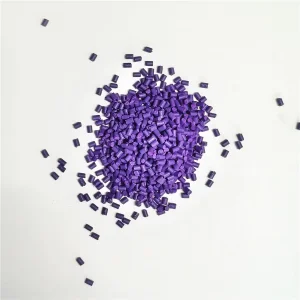
The global polymer masterbatch industry is undergoing a structural transition toward ultra-high concentration formulations, micro-dispersion precision, and decarbonized supply chains. As global manufacturers shift toward high-speed co-extrusion and thin-wall packaging, selecting the optimal Polymer PE Masterbatch supplier becomes a critical factor in minimizing unit production costs, reducing die-build-up, and ensuring zero-defect surface aesthetics.
Utilizing narrow molecular weight distribution LDPE, LLDPE, and HDPE carriers to ensure zero MFI (Melt Flow Index) mismatch during high-shear compounding.
Precision-surface-treated organic and inorganic pigments engineered to resist thermal degradation and structural disassociation during elevated extrusion temperatures.
Quad-screw continuous kneader compounding eliminates agglomeration, lowering Filter Pressure Value (FPV) to under 0.1 bar/g for ultra-thin blown films.
| Masterbatch Category | Primary Carrier Resin | Active Loading % | MFI Range (g/10min) | Thermal Limit (°C) | Core Application Focus |
|---|---|---|---|---|---|
| High-White TiO₂ Masterbatch | LLDPE / LDPE Virgin | 60% - 75% TiO₂ (Rutile) | 12.0 - 25.0 | 280°C | Co-extrusion Blown Film, Milk Bags, Lamination |
| Carbon Black Masterbatch | HDPE / LLDPE Base | 40% - 55% Fine P-Type CB | 5.0 - 18.0 | 300°C | Geomembranes, Drip Irrigation Pipe, Cable Sheathing |
| Chromactic Color Masterbatch | Universal PE / PP Compatible | 25% - 45% Organic Pigment | 15.0 - 35.0 | 260°C | Injection Molding Crates, Daily Consumer Plastics |
| Sub-Micron Filler Masterbatch | PE Carrier + Coupling Agent | 75% - 85% CaCO₃ / Talc | 2.0 - 10.0 | 240°C | Cost Reduction, Mechanical Rigidity Enhancement |
In high-speed polyolefin processing, color masterbatch performance is dictated by micro-shear dispersion physics and interface thermodynamics between pigment particles and the polymer melt. Changzhou Jiazhou Plastic Products Co., Ltd. implements state-of-the-art co-rotating twin-screw extrusion technology combined with custom hydrophobic dispersants to achieve optimal steric stabilization.
Uncoated organic pigments possess high surface free energy, causing aggressive aggregation. Our proprietary titanate and silane coupling agents encapsulate individual pigment crystals, reducing interfacial tension and promoting complete wetting within the PE matrix during melt blending.
A critical failure mode in masterbatch application is viscosity mismatch between carrier resin and target substrate. By precisely engineering the Melt Flow Index (MFI) of our PE carrier matrix, we ensure uniform distribution across multi-layer co-extrusion velocity profiles without streakiness or die build-up.
Migration occurs when low-molecular-weight colorant fractions crystallize out of the polyolefin matrix. Utilizing high-molecular-weight organic pigments paired with Hindered Amine Light Stabilizers (HALS), our masterbatch achieves Grade 7-8 Blue Wool Scale lightfastness.
From high-barrier food packaging films to heavy-duty infrastructure piping, our Polyolefin Masterbatch formulations are optimized for distinct processing machinery and environmental exposure conditions.
Engineered specifically for 3-layer, 5-layer, and 7-layer ABA/ABC blown film lines producing courier bags, agricultural films, and flexible food packaging.
Ideal for high-volume beverage crates, automotive interior trims, logistics pallets, and thin-wall plastic containers requiring high dimensional stability.
Formulated for industrial telecommunication conduit, water supply PE100 piping systems, and power cable insulation sheathing.
Navigating global regulatory landscapes requires rigorous quality controls. Our production facility operating in Changzhou, Jiangsu is certified under ISO 9001:2015 Quality Management Systems and ISO 14001 Environmental Standards. Every masterbatch lot undergoes spectral color matching via X-Rite spectrophotometers and thermo-gravimetric analysis (TGA).
As the polymer converting sector aligns with circular economy goals, our R&D team focuses on solving technical friction points associated with Post-Consumer Recycled (PCR) plastics and biodegradable carrier systems.
Developing masterbatches infused with reactive chain-extenders and anti-oxidant packages designed to neutralize gels, odorous volatiles, and degradation in recycled rPE and rPP streams.
Transitioning from fossil-based PE to sugarcane-derived Bio-PE and compostable PBAT/PLA carrier systems, reducing cradle-to-gate carbon footprints by up to 45% without sacrificing physical properties.
Single-pellet integration of organic color pigments with permanent anti-static agents, UV absorbers, and anti-block additives to streamline dosing accuracy and inventory management.
In-depth answers to common compounding, process optimization, and procurement inquiries from global plastic processors.
For LLDPE blown film applications, selecting a masterbatch with a slightly higher Melt Flow Index (MFI) than the base resin—typically utilizing an LDPE carrier with an MFI between 12 to 20 g/10min—ensures rapid dispersion under extrusion shear while maintaining bubble stability and tear strength.
Poorly dispersed pigment agglomerates or unreacted filler particles increase Filter Pressure Value (FPV). High-quality polymer masterbatch undergoes sub-micron filtration during compounding, maintaining FPV < 0.1 bar/g, which dramatically extends screen pack life and eliminates die lip build-up.
Color migration occurs when low-molecular-weight organic dyes or improperly coated pigments dissolve into the amorphous phase of the polyolefin host. Using high-concentration PE carrier masterbatch formulated with inorganic pigment structures or high-fastness condensed azo pigments prevents migration entirely.
The standard Let-Down Ratio (LDR) for high-concentration PE masterbatch ranges between 1% to 4% depending on wall thickness and target opacity. Formula: Masterbatch Weight = (Total Batch Weight × Target LDR %). For thin films (<25 microns), a 3%–4% LDR is typical; for thick-wall injection molding, 1%–2% is sufficient.
Yes, PE carrier masterbatch is widely compatible with Polypropylene (PP) substrates due to the thermodynamic miscibility of polyolefins under thermal shear. However, for optical-grade PP parts requiring high transparency, a matching PP carrier masterbatch is recommended to avoid micro-haze.
Food contact masterbatch must comply with FDA 21 CFR 177.1520 regulations in the United States and EU Regulation No 10/2011 in Europe. Additionally, raw materials must undergo specific overall migration testing (OMT) and heavy metal screening under RoHS 3 and REACH frameworks.
Select from our standard color range or request custom spectrophotometric color matching tailored to your resin specifications.