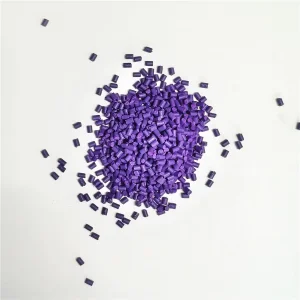
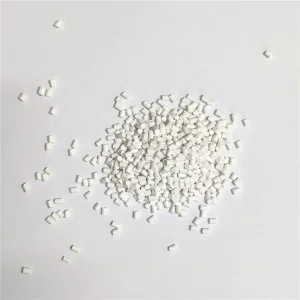
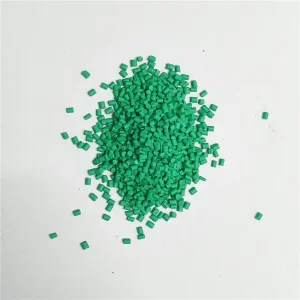
Engineered carrier systems offering ultra-high pigment loading, thermal stability up to 260°C, and exceptional melt-dispersion consistency for high-speed automated extrusion lines.
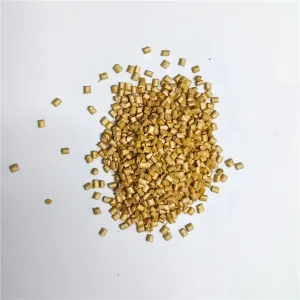
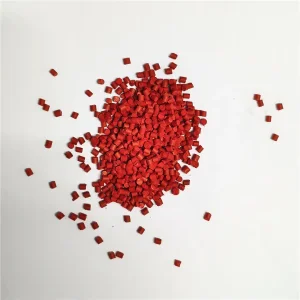
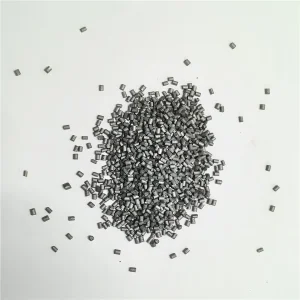
Polypropylene (PP) masterbatch stands as the vital catalyst in modern polymer converting, enabling precise coloration, structural reinforcement, and functional stabilization across multibillion-dollar global sectors.
In the contemporary polymer processing paradigm, raw polypropylene resin (whether Homopolymer PPH, Random Copolymer PPR, or Block Copolymer PPB) requires sophisticated additives to meet rigorous end-use performance criteria. Color masterbatches and functional additive masterbatches represent concentrated mixtures of pigments, dyes, anti-oxidants, UV stabilizers, and processing aids encapsulated within a compatible carrier polymer resin. When compounded by tier-one manufacturers using twin-screw co-rotating extrusion systems, these masterbatch formulations guarantee uniform dispersion without inducing thermal degradation or altering melt flow index (MFI) characteristics.
As global demand shifts toward lightweight automotive components, sustainable rigid and flexible packaging, advanced medical meltblown fabrics, and durable consumer appliances, selecting high-quality PP masterbatch companies becomes a critical procurement decision. A superior masterbatch manufacturer must demonstrate extensive expertise in pigment wetting, rheological matching, surface tension modification, and strict compliance with international food contact and environmental standards such as FDA 21 CFR, EU No 10/2011, REACH, and RoHS.
Engineered carrier resins matched precisely to target resin Melt Flow Index (MFI) ensure seamless homogenization, preventing screw slippage and pressure fluctuations during high-speed extrusion lines.
Advanced organic and inorganic pigment surface treatment prevents dye migration into adjacent layers or contents, guaranteeing color fastness under extreme thermal and chemical exposure.
Ultra-high pigment concentration reduces standard Let Down Ratios (LDR) to 1%–3%, drastically cutting shipping freight costs while maintaining absolute opacity and spectral consistency.
A microscopic examination of pigment dispersion kinetics, matrix encapsulation, and thermal-oxidative stabilization mechanisms.
The primary benchmark of a premier masterbatch manufacturer lies in its ability to deagglomerate primary pigment particles down to sub-micron dimensions. Raw pigments naturally aggregate into clusters due to van der Waals forces. During processing in high L/D ratio (40:1 or 44:1) twin-screw extruders, high-shear kneading blocks generate intensive elongational stress.
This mechanical energy breaks up aggregates while specialized wax dispersants (such as low-molecular-weight polyethylene waxes or metal stearates) wet the newly created surfaces. Effective dispersion eliminates speckles, streaking, and filter clogging in fine denier fiber spinning and ultra-thin blown film production.
A frequent failure mode in plastic coloring is carrier incompatibility. Utilizing low-grade polyolefin carriers causes delamination, diminished impact strength, and severe haze in clear applications. Leading PP masterbatch companies utilize prime-grade metallocene Polypropylene or specialized Polyethylene carrier resins tailored to match or slightly exceed the host polymer’s Melt Flow Rate (MFR).
This formulation strategy guarantees instantaneous melting, optimal distributive mixing, and uniform color shade development across injection molded wall thicknesses from 0.5mm to 10mm.
Technical Insight: Filter Pressure Value (FPV) testing according to EN 13900-5 is mandatory for critical fiber and thin-film grades. High-grade PP masterbatch achieves an FPV of < 0.8 bar/g using a 14-micron screen filter mesh, ensuring zero line breaks during continuous 24/7 manufacturing.
Tailored masterbatch formulations formulated to withstand targeted physical, thermal, and chemical environments across major industrial sectors.
Engineered PP compounding requires strict UV weatherability (HALS stabilization), low VOC odor emission, and scratch resistance. Used extensively in bumper fascia, door trims, instrument panel housings, and under-hood covers.
High-clarity, high-speed Biaxially Oriented Polypropylene (BOPP) films demand pinhole-free masterbatches with supreme slip and anti-block additive packages for food contact packaging and express courier mailing bags.
Spunbond and meltblown PP non-woven fabrics for surgical gowns, face masks, and sanitary products require non-toxic, skin-contact certified pigment masterbatches with zero spinneret build-up.
Washing machine tubs, air conditioner housings, and small kitchen appliances demand UL94 flame-retardant masterbatches paired with vibrant, glossy color concentrates that resist household detergents.
PPR hot and cold water pipes, corrugated drainage conduits, and geomembranes utilize high-concentration Carbon Black masterbatch (>40% loading) for long-term outdoor UV resistance and hydrostatic pressure durability.
Carpet yarns, upholstery fabrics, and agricultural shade nets require mass-coloration masterbatches with superior lightfastness (Blue Wool Scale 7–8) and thermal endurance during high-speed melt spinning.
Anticipating regulatory transitions, circular economy mandates, and smart manufacturing trends over the coming decade.
Transition to 100% bio-allocated Polypropylene carrier resins derived from tall oil and waste cooking oil feeds, cutting carbon intensity while maintaining identical physical compounding behavior.
Integration of Near-Infrared (NIR) reflective pigments in dark and black masterbatches to enable automated optical sorting at post-consumer recycling (PCR) facilities, driving true closed-loop polyolefin circularity.
Implementation of generative neural networks for instant spectral matching, dynamic rheological prediction, and real-time inline Delta E self-correction on smart twin-screw extrusion lines.
Rigorous quality control protocols ensuring batch-to-batch repeatability and absolute regulatory compliance for tier-one global OEMs.
For high-volume plastics processors, a minor color variance between masterbatch lots can cause catastrophic production downtime, customer rejections, and brand damage. Premier China PP masterbatch manufacturers enforce ISO 9001:2015 and ISO 14001 certified quality control loops spanning incoming raw material inspection, automated gravimetric dosing, continuous extrusion monitoring, and spectro-photometric laboratory verification.
Every production batch undergoes spectrophotometric color measurement against master physical plaques under multiple standard illuminants (D65, F11, A). Strict tolerance thresholds of ΔE < 0.5 ensure flawless color continuity across multi-plant manufacturing operations.
Thermogravimetric Analysis (TGA) verifies active pigment loading percentages, while Karl Fischer titration guarantees moisture content remains below 0.05% (500 ppm), preventing bubble formation and micro-voids in thin film blowing.
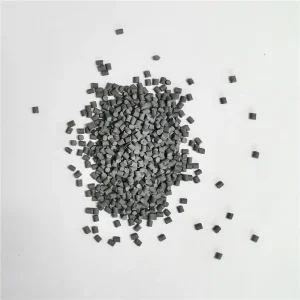
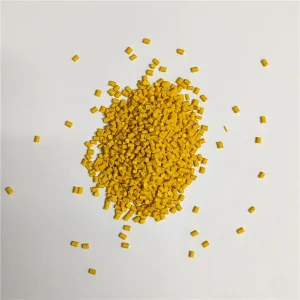
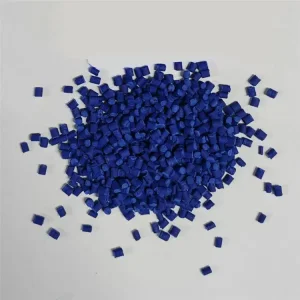
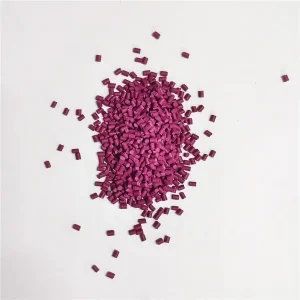
Select from our comprehensive line of standardized and custom-engineered color masterbatches for blown film, injection molding, and extrusion processing.
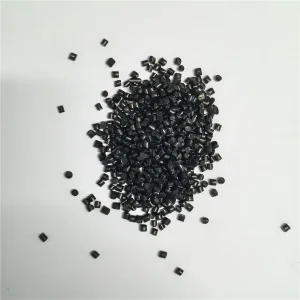
Expert technical insights regarding masterbatch selection, processing parameters, carrier matching, and custom color matching services.
The standard recommended Let Down Ratio (LDR) for high-concentration masterbatch ranges between 1% and 4% by weight, depending on the target opacity, part wall thickness, and pigment loading of the specific grade. For high-opacity white or black masterbatches used in injection molding, an LDR of 1.5% to 2% is typically sufficient. Thin blown films (<25 microns) may require 3% to 4% LDR to ensure absolute opacity and void-free coverage.
Yes, PE carrier color masterbatch is widely compatible with Polypropylene (PP) substrates, particularly in injection molding and general film extrusion. Because Polyethylene (PE) and Polypropylene (PP) are both polyolefins, low-addition ratios (1%–3%) of a high-MFI PE carrier do not compromise the mechanical properties or structural integrity of the PP matrix. However, for high-temperature applications (>260°C) or critical fiber spinning, matching with a dedicated PP carrier is recommended.
Die build-up (drool) and screen pack blinding are primarily caused by pigment agglomeration and low-quality wax dispersants. Premier masterbatch manufacturers utilize micro-milled organic pigments coupled with specialized fluoroelastomer processing aids (PPA) and fully reacted dispersants. This prevents un-melted pigment clusters from clogging 100-mesh to 325-mesh filter screens and eliminates die lip accumulation during continuous extrusion.
Food-contact masterbatches undergo rigorous migration testing using food simulants (3% acetic acid, 10% ethanol, and rectified olive oil) under controlled thermal duration. Formulations must be free of heavy metals (Pb, Cd, Hg, Cr VI), primary aromatic amines (PAAs), and restricted phthalate plasticizers, adhering strictly to FDA 21 CFR 177.1520 and European Union Regulation (EU) No 10/2011 mandates.
Unstabilized polypropylene rapidly degrades under solar UV radiation, leading to chain scission, embrittlement, and color fading. Incorporating Hindered Amine Light Stabilizers (HALS) alongside UV absorbers (such as benzotriazoles) quenches free radicals generated by photo-oxidation. High-performance UV masterbatch formulations enable outdoor PP stadium seating, agricultural fabrics, and raffia woven sacks to maintain over 80% tensile strength after 3,000 hours of Accelerated Weathering (QUV) exposure.
Custom color matching requires either a physical target plaque or Pantone/RAL color codes. Computer spectrophotometers analyze the spectral reflectance curve to formulate a precise match within 24 to 48 hours. Upon sample plaque approval, standard commercial production lead times range between 7 to 15 business days, supported by complete Certificate of Analysis (CoA) documentation for every shipped lot.