Engineered with low-density virgin polyethylene (LDPE/LLDPE) carriers, non-toxic organic/inorganic pigment matrices, and zero hazardous heavy metals. Fully certified for EU Directive 2011/65/EU and EU 2015/863 compliance.
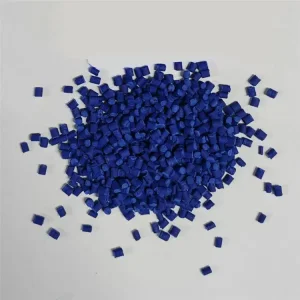
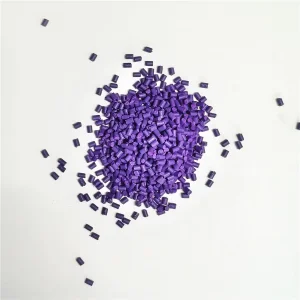
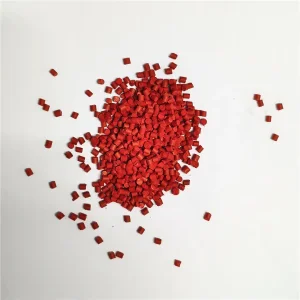
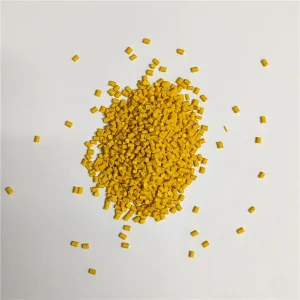
Analysis of environmental mandates, supply chain compliance pressures, and material substitution dynamics shaping the modern global plastic compounding sector.
The global thermoplastic compounding industry has entered a transformative era driven by stringent eco-regulations, circular economy mandates, and heightened consumer safety expectations. Among colorant and additive delivery mechanisms, Polyethylene (PE) Carrier Masterbatch stands as the primary benchmark for plastic coloring, blown film extrusion, pipe manufacturing, and injection molding. However, as international compliance frameworks—such as the European Union’s RoHS 2.0 (Directive 2011/65/EU and amendment EU 2015/863), REACH Regulation (EC No 1907/2006), and the US EPA Toxics in Packaging legislation—expand their enforcement reach, global business-to-business (B2B) procurement strategies have fundamentally shifted.
Historically, low-cost plastic colorants frequently incorporated heavy-metal-based inorganic pigments such as lead chromate (PbCrO₄), cadmium sulfide (CdS), hexavalent chromium compounds, and brominated flame retardants (PBBs/PBDEs) to achieve vivid hues at minimal cost. In contemporary industrial compounding, these substances are strictly prohibited. Leading RoHS certified PE masterbatch companies and suppliers must now formulate high-performance color concentrates utilizing non-toxic, high-chroma organic pigments (e.g., phthalocyanines, quinacridones, isoindolinones) and ultra-pure inorganic oxides, bound within fully traceable virgin or circular polyethylene matrixes.
| Regulatory Benchmark | Restricted Substances / Criteria | Maximum Threshold (ppm / % weight) | Impact on PE Masterbatch Formulation |
|---|---|---|---|
| EU RoHS Directive 2011/65/EU | Lead (Pb), Mercury (Hg), Hexavalent Chromium (Cr6+) | < 1,000 ppm (< 0.1%) | Elimination of chrome yellow/molybdate orange pigments. Replacement with organic azo/isoindoline complexes. |
| RoHS 2.0 (EU 2015/863 Amendment) | Phthalates: DEHP, BBP, DBP, DIBP | < 1,000 ppm (< 0.1%) | Total exclusion of traditional phthalate plasticizers or secondary dispersants in carrier resin compounding. |
| RoHS Heavy Metal Threshold: Cadmium | Cadmium (Cd) Compounds | < 100 ppm (< 0.01%) | Cadmium reds/yellows replaced by high-heat resistance hybrid organic pigments with zinc stearate dispersants. |
| FDA 21 CFR 177.1520 / EU 10/2011 | Overall Migration Limit (OML) & Specific Migration | < 60 mg/kg food simulant | Requires virgin LLDPE/LDPE carrier resins with ultra-low oligomer content and non-migratory organic dyes. |
In mature markets such as North America and Western Europe, industrial buyers are no longer seeking basic color concentrates; they require fully documented, third-party verified, non-migratory masterbatches that integrate seamlessly into high-speed processing lines without causing die-lip buildup, pigment agglomeration, or thermal degradation. Concurrently, rapid industrial expansion across Southeast Asia, Latin America, and the Middle East has elevated local quality standards, as contract manufacturers exporting consumer electronics, automotive trim, and food packaging to Western nations must guarantee total RoHS compliance across their entire tier-1 and tier-2 supply chains.
Engineered for extreme thermal stability, consistent Melt Flow Index (MFI) matching, and defect-free surface finish across diverse converting technologies.
Used extensively in agricultural mulch film, heavy-duty shipping sacks, courier bags, and multi-layer food packaging. Our RoHS certified PE masterbatch ensures uniform pigment dispersion at film thicknesses down to 10 microns without micro-gels, pinholes, or filter-pack clogging (Pressure Filter Value < 1.5 bar/g).
Ideal for home appliance housings, automotive interior components, medical enclosures, and consumer goods. Formulated with high-flow polyethylene carrier resins (MFI range 15 to 30 g/10min) to guarantee short cycle times, zero warpage, zero sink marks, and brilliant high-gloss or matte surface finishes.
Critical for HDPE municipal water pipes, telecommunication conduit sleeves, and corrugated drainage tubing. Incorporates highly dispersed nano-carbon black or inorganic color pigments providing exceptional UV resistance (outdoor lightfastness rating 7-8 on the Blue Wool Scale) and long-term hydrostatic strength protection.
Achieving optimal dispersion in end-use polymer matrices requires precise rheological matching between the masterbatch carrier polymer and the base resin. When selecting a RoHS certified PE masterbatch supplier, processing engineers must evaluate three primary thermodynamic and mechanical criteria:
Pioneering next-generation sustainable masterbatch technologies: bio-based polyethylene carriers, PFAS-free processing aids, and digital color matching systems.
With global regulatory bodies moving to restrict Per- and Polyfluoroalkyl Substances (PFAS), our forward-looking technical roadmap eliminates fluorinated PPAs. We have engineered green, non-fluorinated melt-fracture elimination additives based on specialized organosilicon and polyether technologies, keeping masterbatch completely compliant with emerging global PFAS bans.
To support carbon neutrality and zero-waste initiatives, our R&D team has developed sugarcane-derived Bio-PE masterbatches and high-purity GRS-certified PCR-PE carriers. These products match traditional virgin LDPE performance while dramatically reducing cradle-to-gate carbon footprints for eco-conscious global brands.
Traditional carbon black masterbatches absorb NIR radiation, making black plastics unidentifiable in automated MRF optical sorting equipment. Our innovative NIR-detectable RoHS-compliant black masterbatch utilizes specialized organic black pigments, enabling automatic recycling sorting while satisfying strict RoHS/REACH standards.
How Changzhou Jiazhou Plastic Products Co., Ltd. leverages the Yangtze River Delta industrial ecosystem to deliver world-class masterbatch quality with unmatched turnaround times.
As international buyers navigate volatile shipping schedules, raw material price fluctuations, and stringent quality control mandates, selecting a highly resilient direct manufacturer is critical. Located in Changzhou, Jiangsu Province—at the core of China’s advanced chemical and polymer processing belt—Changzhou Jiazhou Plastic Products Co., Ltd. represents 16+ years of specialized compounding expertise.
Housing multiple high-torque co-rotating twin-screw extruder lines equipped with loss-in-weight gravimetric feeders, underwater strand pelletizers, and automatic optical quality sorting, ensuring batch-to-batch consistency with zero color drift ΔE < 0.5.
Direct procurement contracts with premier global resin producers (Sinopec, Sabic, ExxonMobil) and top-tier pigment houses ensure guaranteed raw material purity, immunity to spot-market shortages, and stable pricing leverage passed on to our global partners.
Our streamlined production scheduling, in-house spectrophotometry lab, and direct proximity to Shanghai & Ningbo ports enable sample color-matching within 48 hours and full container-load dispatch within 15 calendar days.
By controlling every step of the compounding process—from raw pigment surface treatment with coupling agents to final pellet de-dusting and aluminum-foil moisture-proof vacuum packaging—we remove the cost markups of regional distributors while providing direct engineer-to-engineer technical consultation.
Rigorous testing methodologies, accredited laboratory verification, and localized technical field service for seamless global compliance audit readiness.
To satisfy the legal documentation requirements of global OEMs, custom injection molders, and brand owners, Changzhou Jiazhou Plastic Products provides full traceability documentation with every shipment. Every production lot is accompanied by a formal Certificate of Analysis (COA) and backed by periodic third-party testing from internationally accredited testing bodies (SGS, TUV, Intertek).
Our internal Quality Control Laboratory operates according to ISO/IEC 17025 testing guidelines, employing advanced analytical instruments to verify both chemical compliance and physical processing performance:
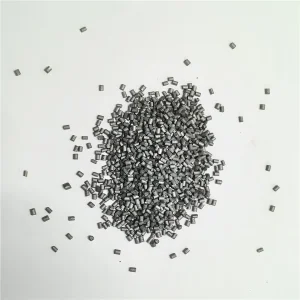
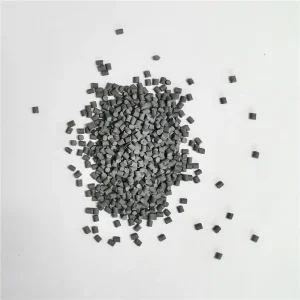
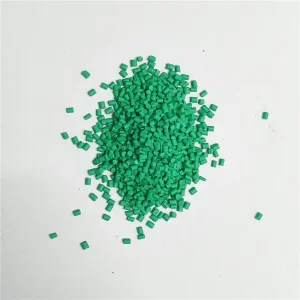
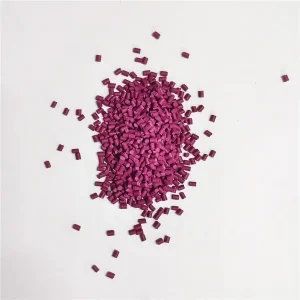
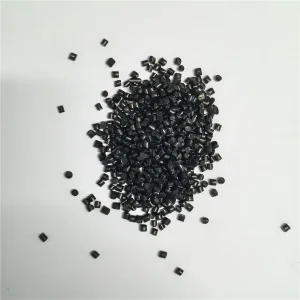
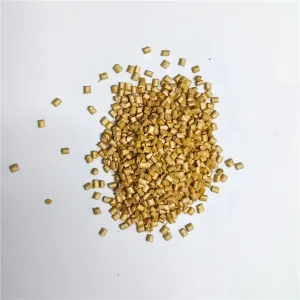
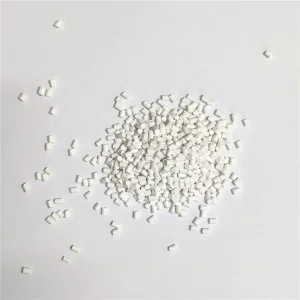
Explore our core high-concentration colorant formulations. Custom color matching and specialized additive compounding available upon request.
Detailed engineering and procurement insights answered by Changzhou Jiazhou’s senior polymer compounding directors.