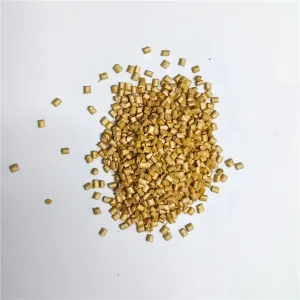
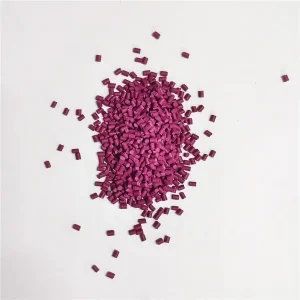
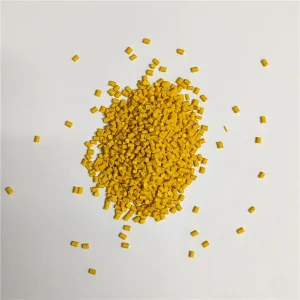
Explore our engineered PE carrier masterbatch grades providing high brightness, heat resistance, non-migration stability, and vibrant opacity for global packaging processors.
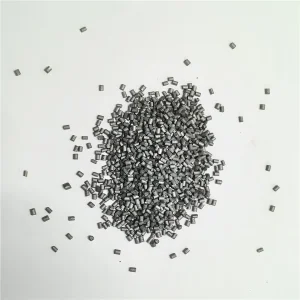
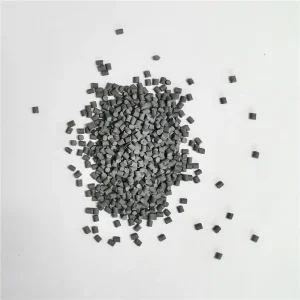
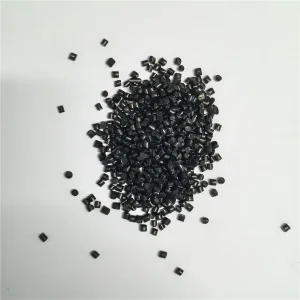
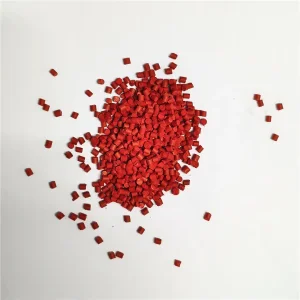
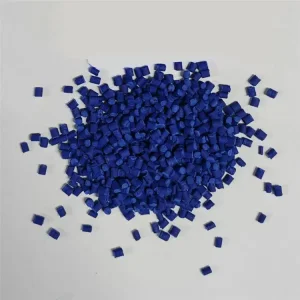
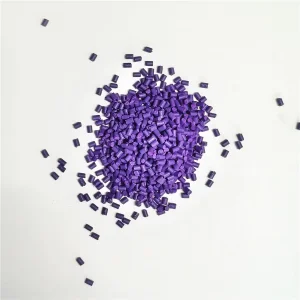
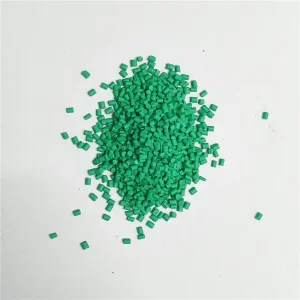
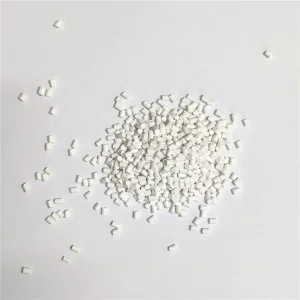
The global flexible packaging sector is undergoing a profound paradigm shift driven by stricter consumer demands for visual clarity, brand aesthetics, and sustainable polyolefin circularity. At the epicenter of this transformation is the development of high-quality transparent packaging high bright PE masterbatch. Formulating masterbatches that impart intense color brightness or pristine transparency without compromising optical haze parameters, sealability, or tensile strength requires an intimate understanding of polymer chemistry, pigment morphology, and rheological processing windows.
Polyethylene (PE)—specifically Low-Density Polyethylene (LDPE), Linear Low-Density Polyethylene (LLDPE), and High-Density Polyethylene (HDPE)—remains the most widely converted polymer matrix worldwide. However, standard color concentrates often introduce particulate agglomeration, micro-voids, and incompatible carrier resins that disrupt light transmission and elevate haze values above acceptable industrial standards (>5%). Engineered high-bright PE masterbatches utilize sub-micron dispersed organic pigments, custom-tailored carrier polymers matching the exact Melt Flow Index (MFI) of target substrates, and proprietary surface-active dispersing agents to ensure optical purity and maximum color brilliance.
Achieving high brightness in transparent packaging requires complete elimination of pigment agglomerates larger than 1 micron. When light passes through a PE film containing un-dispersed pigment clusters, Rayleigh and Mie scattering occur, converting directed light into scattered stray light, causing visible haze and opacity. Advanced twin-screw compounding lines operating at high length-to-diameter (L/D) ratios of 44:1 to 48:1 utilize specialized kneading blocks to generate intense extensional shear forces. This breakups raw pigment aggregates down to primary particle sizes (20–50 nm), encapsulating them cleanly within the virgin PE carrier matrix.
Carrier resin viscosity is precisely calibrated to match substrate resin (2.0 to 20.0 g/10min), preventing melt fracture, die build-up, and phase separation during high-speed film extrusion.
Polymeric pigment surface modifiers lock active color molecules inside the PE matrix, ensuring zero pigment migration into fatty or acidic food media under FDA 21 CFR 177.1520.
Formulated to withstand prolonged thermal residence times inside modern high-output co-extrusion blown film lines without color degradation, gas formation, or pinholing.
Designing masterbatch systems for thin-gauge packaging films (<25 microns) demands strict control over crystallization nucleation kinetics and thermal histories. In transparent packaging applications, such as collation shrink films, barrier pouches, and stretch hoods, the masterbatch must not interfere with the natural crystalline morphology of the base polyethylene.
Standard mineral fillers (like coarse calcium carbonate or talc) cause severe opacity due to refraction index mismatches ($n_{PE} \approx 1.51$ vs. $n_{CaCO3} \approx 1.65$). High bright transparent PE masterbatches utilize refractive index-matched organic additives or nano-scale silica clarifiers alongside highly chromatic organic pigments (such as Phthalocyanine Blues, Quinacridones, and Isoindolines) that allow light to pass unhindered.
The table below outlines the rigorous technical parameters established by enterprise masterbatch manufacturers for high-bright transparent PE applications:
| Technical Parameter | Standard PE Masterbatch | High Bright Transparent Masterbatch | Testing Protocol / Standard |
|---|---|---|---|
| Pigment Particle Size | 2.0 – 5.0 microns | < 0.3 microns (Sub-micron) | Laser Diffraction Particle Analyzer |
| Carrier Resin MFI (190°C/2.16kg) | 4.0 – 8.0 g/10min | 12.0 – 25.0 g/10min (Customized) | ASTM D1238 / ISO 1133 |
| Film Haze Value (at 30μm) | 8.5% – 15.0% | < 2.2% (Crystal Clear) | ASTM D1003 / ISO 14782 |
| Filter Pressure Value (FPV) | > 2.5 bar/g | < 0.8 bar/g (Ultra Clean) | EN 13900-5 (Mesh 14μm) |
| Heat Resistance | 200°C – 220°C | 260°C – 280°C | DIN EN 12877-2 |
| Lightfastness (Blue Wool Scale) | Grade 4 – 5 | Grade 7 – 8 (Max Resistance) | ISO 105-B02 |
When processing blown film at high line speeds (>300 kg/hr), melt fracture and die lip buildup are frequent technical challenges. Incorporating fluoropolymer-based processing aids (PPA) directly into the high bright PE masterbatch reduces backpressure, eliminates shark skin effects, and improves bubble stability. Furthermore, precise matching of the masterbatch density with native LLDPE resins eliminates hopper stratification, providing consistent color shade across 24-hour continuous production runs.
The global plastic masterbatch market is expanding rapidly, projected to exceed USD 16.5 Billion by 2030, driven predominantly by rigid and flexible packaging applications in Asia-Pacific, North America, and Europe. Fast-Moving Consumer Goods (FMCG) brand owners are increasingly migrating away from opaque multi-material packaging toward fully recyclable mono-material PE structures (All-PE films).
This industrial shift directly amplifies the demand for high-grade color concentrates and high bright transparent masterbatches. Mono-material packaging must maintain high visual appeal on retail shelves while complying with strict circular economy initiatives such as the European Union’s Packaging and Packaging Waste Regulation (PPWR) and global ESG benchmarks.
Formulated without non-polyolefin contaminants, allowing finished transparent pouches and films to be recycled directly into Grade-A PE mechanical recycling streams.
Strictly compliant with REACH, RoHS, SVHC, and China GB 9685 standards. Completely free of lead, cadmium, hexavalent chromium, or diarylide yellows.
Ultra-dispersed particle geometry reduces extruder torque and melt temperatures by up to 12°C, decreasing kilowatt-hour energy consumption per ton converted.
Every plastic conversion process—whether multi-layer blown film, blow molding, or thin-wall injection molding—presents unique thermal and shear dynamics. Below are the macro-industrial application scenarios where high bright transparent PE masterbatches deliver critical competitive advantage:
In 3-layer, 5-layer, and 9-layer blown film extrusion for fresh produce, frozen foods, and meat trays, visual clarity is directly linked to consumer purchase decisions. Adding 1% to 3% of High Bright PE Masterbatch to outer film layers elevates gloss units (GU > 85 at 60°) while maintaining oxygen and moisture barrier integrity. The masterbatch carrier melts homogenously into virgin LLDPE/mPE resins, preventing gel formation or optical streaks.
Secondary packaging for beverages, canned goods, and cosmetics relies on high-tensile LDPE collation shrink films. High bright masterbatches provide delicate tinted hues (such as transparent blue, rose, or emerald green) without obscuring barcodes or product labeling underneath. The thermal stability ensures no color shifting during the heat-tunnel shrinking phase.
Medical device bags and IV solution over-wraps mandate sterile, non-toxic components certified under USP Class VI and ISO 10993 testing. Masterbatch formulations undergo stringent extractable and leachable (E&L) testing, ensuring complete biocompatibility during ethylene oxide (EtO) or gamma-ray sterilization cycles.
For rigid packaging, including transparent PE caps, flip-top lids, and personal care containers, high-bright masterbatch offers rapid color dispersion under short injection cycle times. The additives prevent differential shrinkage and warpage in precision molded parts.
Building reliable enterprise supply chains requires partnering with certified manufacturers demonstrating deep domain expertise, robust testing infrastructure, and proven export capacity. Changzhou Jiazhou Plastic Products Co., Ltd. stands as an industry leader with over 16 years of specialized B2B masterbatch manufacturing experience.
Operating a modern 6,000m² standardized factory in Changzhou, Jiangsu Province, China, Jiazhou operates high-torque twin-screw production lines capable of delivering consistent color concentrate and filler masterbatch formulations to buyers in over 100 countries across Europe, the Americas, Southeast Asia, and the Middle East.
Every production batch manufactured by Changzhou Jiazhou undergoes strict multi-stage quality control in fully equipped analytical laboratories:
As polymer science advances toward intelligent packaging and net-zero carbon targets, masterbatch formulation is undergoing continuous technological evolution. Future key innovations driving the masterbatch industry include:
Incorporating specialized block copolymers that compatibilize Post-Consumer Recycled (PCR) PE resins with virgin polymer matrices, restoring optical brightness and impact strength in recycled transparent packaging.
Utilizing bio-based polyethylene carriers derived from sugarcane ethanol, enabling 100% renewable content certificates for eco-conscious international brand owners.
Algorithmic formulation prediction matching exact L*a*b* optical values with zero trial-and-error waste, shortening customer sampling cycles from weeks to hours.
Expert guidance on masterbatch dosing, processing parameters, compatibility, and compliance standards for plastics engineers.
For high-bright transparent PE masterbatch applications, standard dosing ranges between 1.0% and 3.0% depending on film thickness and desired tint intensity. For ultra-thin films (<20 microns), a 2.0% to 2.5% LDR provides optimal color saturation while keeping haze values under 2.2%.
The carrier resin must possess an MFI equal to or slightly higher than the substrate resin to promote spontaneous macromolecular mixing. Utilizing an LLDPE carrier ensures complete miscibility across both LDPE and HDPE blown film lines without causing phase boundary optical haze or lowering film tear resistance.
Yes. Premium masterbatches engineered by Changzhou Jiazhou utilize high-purity pigments and non-toxic additives strictly compliant with US FDA 21 CFR 177.1520, EU Regulation No. 10/2011, and China GB 4806 standards, making them safe for direct food packaging.
High-temperature stability is achieved through primary hindered phenol antioxidants combined with secondary phosphite heat stabilizers added directly during twin-screw compounding. This synergistic package scavenges free radicals generated during extrusion, preventing thermo-oxidative degradation.
When stored in original sealed moisture-barrier bags in a dry, cool environment below 35°C away from direct UV exposure, high quality PE masterbatches maintain full chemical stability and dispersion performance for up to 24 months.
Select from our specialized PE color masterbatches, metallic concentrates, and filler solutions engineered for precision plastic processors.