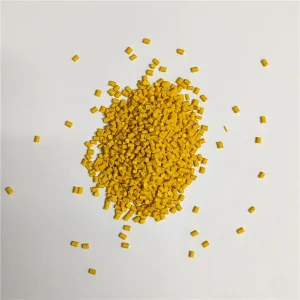
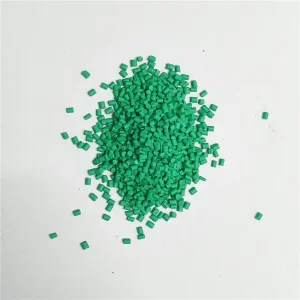
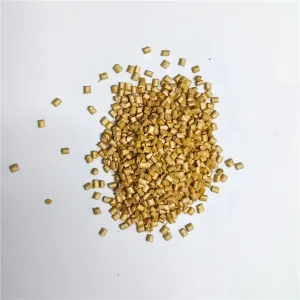
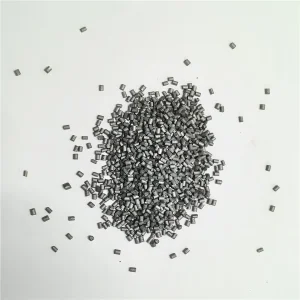
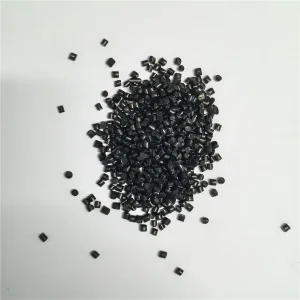
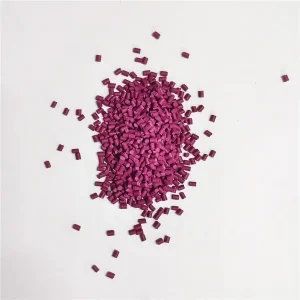
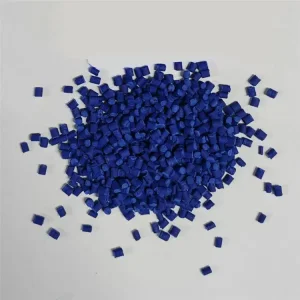
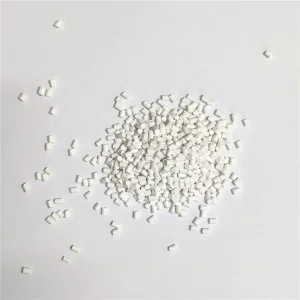
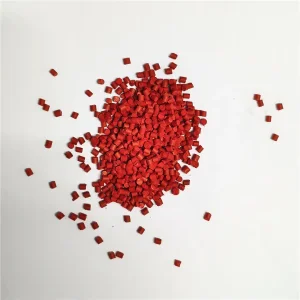
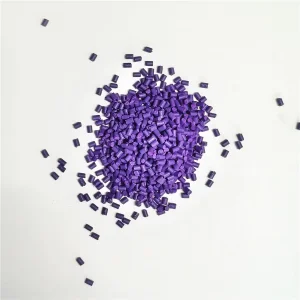
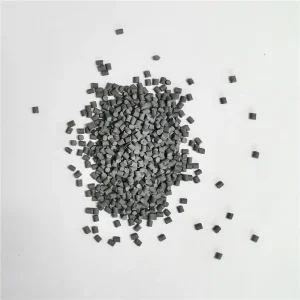
Explore our premium grade color concentrate portfolio engineered for blown film extrusion, injection molding, and multi-layer packaging solutions.
In modern polymer processing, Yellow Polyethylene (PE) Masterbatch serves as a foundational colorant matrix across global packaging, agricultural, consumer electronics, construction, and automotive verticals. Yellow pigments represent one of the most chemically complex spectrums in masterbatch formulation due to the varying thermal stability, opacity, tinting strength, and lightfastness required across distinct manufacturing processes such as blown film extrusion, profile extrusion, blow molding, and injection molding.
Globally, the transition away from heavy-metal-based pigments—specifically lead chromate yellow (Pigment Yellow 34) and cadmium yellow—towards high-performance organic pigments and eco-friendly inorganic complex inorganic color pigments (CICPs) has reshaped industrial procurement standards. Leading manufacturers must balance high color strength with non-migratory chemistry, low filter pressure values (FPV), and regulatory compliance under EU REACH, US FDA 21 CFR, and RoHS frameworks.
High demand for UV-stabilized yellow warning tapes, mulch films, and greenhouse covers requiring high weatherability (Blue Wool Scale 7-8) without photo-degradation over 24-36 months of sunlight exposure.
Food-grade blow-molded bottles, caps, and closure systems demand non-toxic, organoleptically neutral yellow concentrates with zero pigment migration into lipophilic food stimulants.
Gas pipe identification jackets, yellow caution ducting, and chemical drums requiring exceptional chemical inertia, alkali resistance, and thermal endurance up to 280°C.
Achieving uniform color dispersion in polyolefin matrices requires rigorous physics and formulation discipline. A high-performance PE Yellow Masterbatch is not merely a mixture of raw pigment powder and virgin resin; it is a meticulously engineered solid solution comprising high-purity pigments, carrier resins with tailored Melt Flow Index (MFI), specialized dispersing waxes, and processing aids.
Pigment Loading Concentration: Standard commercial grades range between 30% to 50% active pigment payload.
Filter Pressure Value (FPV): High-end blown film grades maintain FPV < 0.8 bar/g (tested per EN 13900-5 through 14-micron mesh filter screens) to eliminate pinholes and bubble breaks.
Color Tolerances: CIELAB Delta E (ΔE*) values controlled strictly within ≤ 0.5 under standard illuminants (D65, A, TL84).
| Pigment Index | Chemical Family | Heat Fastness (°C) | Lightfastness (1-8) | Primary Industrial Application |
|---|---|---|---|---|
| Pigment Yellow 83 (HR Yellow) | Diarylide / Disazo | 240°C - 260°C | 6 - 7 | General blown film, shopping bags, injection molded caps |
| Pigment Yellow 180 | Benzimidazolone | 270°C - 290°C | 7 - 8 | Food packaging film, non-warping thin-wall injection |
| Pigment Yellow 191 | Monoazo Yellow Lake | 280°C - 300°C | 7 - 8 | High-temperature engineering plastics, pipe extrusion |
| Pigment Yellow 138 | Quinophthalone | 290°C - 300°C | 8 | Automotive exterior parts, long-term outdoor geo-membranes |
| Pigment Yellow 53 | Nickel Antimony Titanium Yellow | > 300°C | 8 | Extreme weatherability, heavy-duty industrial profiles |
China has evolved into the undisputed global hub for masterbatch manufacturing, driven by extensive industrial cluster synergy, advanced machinery, integrated raw material supply chains, and superior logistics infrastructure. Factories centered in regions like Changzhou, Jiangsu Province, leverage a complete chemical ecosystem that yields substantial cost performance without compromising strict engineering parameters.
Deployment of high-torque, co-rotating twin-screw extruders equipped with continuous gravimetric dosing systems, melt pumps, and underwater pelletizing lines ensures precise polymer shearing and minimal thermal degradation.
Direct access to domestic synthetic pigment production bases and petrochemical refinery outputs (Sinopec, CNPC) guarantees consistent batch-to-batch quality and insulates buyers from global price volatility.
Standardized spectrophotometer color matching enables OEM color formulation within 48 hours, coupled with typical factory production cycles of 7–15 days for full container loads (FCL).
Yellow PE masterbatch must perform seamlessly across diverse conversion processes. Each application imposes specific mechanical, thermal, and chemical challenges on the carrier resin and pigment package:
Applied in agricultural mulch, shopping bags, and stretch hoods. Requires high melt elasticity carrier resin (LLDPE/LDPE blend) to prevent bubble instability, draw-down breakage, or gauge variation at high line speeds.
Used for crates, industrial buckets, and housewares. Formulation emphasizes non-nucleating organic pigments (such as PY180) to prevent differential shrinkage and structural warping in high-rigidity HDPE components.
Essential for chemical drums and jerrycans. Focuses on stress-crack resistance (ESCR) preservation, excellent chemical barrier performance, and zero pigment bleed when exposed to aggressive solvents.
Critical in telecom ducting and insulation jacket striping. Formulations undergo rigorous dielectric testing to ensure high breakdown voltage and low dielectric dissipation factors.
International procurement teams require absolute transparency regarding regulatory compliance, safety documentation, and quality control auditing. Importing high-concentration yellow concentrates into North American, European, or Latin American markets mandates strict adherence to modern chemical oversight bodies.
Full compliance with FDA 21 CFR 178.3297 (Colorants for Polymers) and EU Regulation (EU) No 10/2011. Guarantees specific migration limits (SML) of heavy metals and primary aromatic amines (PAA) remain well under toxicological thresholds.
Strict adherence to REACH SVHC (Substances of Very High Concern) candidate lists, RoHS 3 (Directive 2015/863), and Halogen-Free requirements (IEC 61249-2-21), ensuring eco-friendly disposal and recycling.
Every export lot must be accompanied by a standardized Certificate of Analysis (COA) detailing MFI (ISO 1133), Density (ISO 1183), Moisture Content (<0.1% per Karl Fischer titration), and Delta E spectrophotometer readings.
As the plastics industry shifts towards a closed-loop circular economy, masterbatch formulation is undergoing a major technological transformation. Masterbatch manufacturers are focusing heavily on three core innovations:
Formulating masterbatches utilizing Post-Consumer Recycled (PCR) PE carriers, requiring advanced compatibilizers and antioxidant packages to neutralize residual contaminants and maintain polymer melt strength during reprocessing.
Developing carbon-free organic yellow formulations that do not reflect or absorb NIR wavelengths, enabling automated sorting systems at Material Recovery Facilities (MRFs) to accurately identify and segregate post-use polyolefins.
Replacing conventional fluoroelastomer Polymer Processing Aids (PPA) with next-generation organosilicon or bio-based processing aids to comply with emerging global restrictions on per- and polyfluoroalkyl substances (PFAS).
Technical guidance for plant managers, processing engineers, and polymer procurement specialists:
Review our full range of color and additive masterbatch solutions manufactured for high-speed industrial processing lines.