Engineering-grade color masterbatches synthesized with high dispersion pigmenation for Midwest blow molding, film extrusion, and high-speed injection molding facilities.
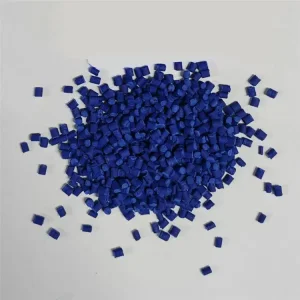
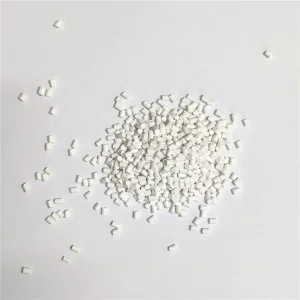
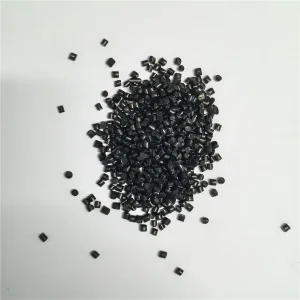
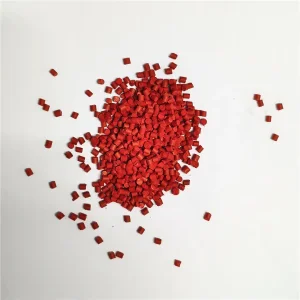
An in-depth analysis of the Greater Chicagoland manufacturing corridor, supply chain dynamics, and how Chinese compounding expertise bridges the cost-performance gap for US processors.
The Greater Chicago Metropolitan Area—encompassing Cook, DuPage, Kane, and Will counties, extending toward Elgin, Rockford, and Northwest Indiana—stands as one of North America's dense concentration points for polymer transformation. Home to thousands of custom blow molders, film extruders, automotive component suppliers, and food-grade packaging converters, Chicago demands extreme precision in raw material inputs. The local market operates under rigorous operational rhythms driven by proximity to major logistics arteries like O'Hare International Airport, the Port of Indiana-Burns Harbor, and America's premier Class-I rail hub network in Joliet and CenterPoint Intermodal Center.
For Chicago-based plastic converters, operational profit margins are tightly coupled to three critical variables: pigment dispersion consistency, thermal polymer stability during melt processing, and raw material input costs. In an economy influenced by fluctuating domestic resin prices and rising labor expenditures, procurement teams across Illinois are seeking direct factory partnerships with established Chinese compounding leaders capable of delivering REACH and FDA-compliant polyolefin masterbatches without supply interruptions.
Chicago's massive food processing sector requires non-toxic, low-odor white masterbatch and high-barrier color concentrates compliant with FDA 21 CFR standards for direct food contact applications.
Supplying Tier-1 and Tier-2 auto parts injection molders across Illinois and Indiana with heat-stabilized grey, black, and custom color masterbatches that withstand severe thermal shock and UV degradation.
Heavy-duty blown films, agricultural mulch films, and HDPE drainage pipe systems engineered to endure Midwest freeze-thaw cycles through anti-migratory pigment technology.
Providing actionable technical data for chemical engineers, quality assurance directors, and plant managers in the Chicago manufacturing sector.
The ultimate color fastness and physical properties of blown films or injection-molded parts depend heavily on the particle size reduction of organic and inorganic pigments. Standard dry blending often yields agglomerates that lead to pinholes, streakiness, and reduced tensile strength in thin-gauge films. Our Changzhou manufacturing plant utilizes multi-stage co-rotating twin-screw extruders operating with specialized shear element configurations.
By subjecting pigment particles to high-shear melting zones in the presence of targeted dispersion waxes and LLDPE/LDPE virgin carriers, we achieve primary pigment particle sizes below 2.5 microns. This level of dispersion guarantees that high-speed film extruders in Illinois operating at line speeds above 300 meters per minute experience zero bubble breakage or die build-up.
When processing engineering plastics via injection molding, processing temperatures frequently reach between 220°C and 260°C. Standard colorants often suffer thermal degradation, causing yellowing shifts or severe gas marks on final molded parts.
Our PE Black, PE Red, and PE Grey masterbatch lines are formulated using heat-stable organic phthalocyanines, carbon black with high structure numbers, and inorganic cadmium/iron oxides stabilized by secondary antioxidants. This technical synthesis ensures zero migration (Delta E < 0.5) even during prolonged residence times in hot runner systems common to Chicago’s high-volume automotive component production lines.
How Changzhou Jiazhou Plastic Products Co., Ltd. mitigates global supply disruption while delivering unmatched cost-performance advantages.
Bypassing third-party trading intermediaries allows Chicago buyers to access direct manufacturer pricing, yielding savings of 18% to 32% compared to local US regional compounders.
Every shipment destined for the US market undergoes spectrophotometer color matching (CIELAB system), melt flow rate testing (ASTM D1238), and moisture content control (<0.15%).
With automated compounding lines producing hundreds of metric tons monthly, custom color match orders are completed and packed in ocean-ready containers within 15 days.
Pioneering sustainable, smart, and ultra-concentrated polymer additives for the next decade of advanced manufacturing.
Developing specialized masterbatch carrier resins specifically tailored to bind and homogenize Post-Consumer Recycled (PCR) PE/PP streams without chain degradation.
Integrating machine-learning color matching algorithms at our R&D lab to deliver custom color matching sample formulations within 48 hours for US clients.
Formulating Near-Infrared (NIR) reflective black masterbatches that enable automated recycling sorting sensors in US municipal recovery facilities to identify black plastics.
Transitioning core carrier lines to 100% bio-based polyethylene derived from renewable sugarcane feedstocks, reducing net carbon footprint for international buyers.
High-concentration pigment masterbatches engineered for injection molding, blown film, and plastic extrusion applications.
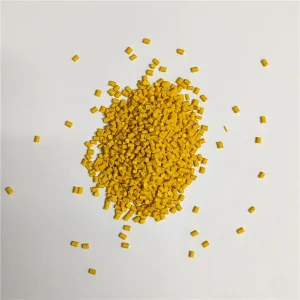
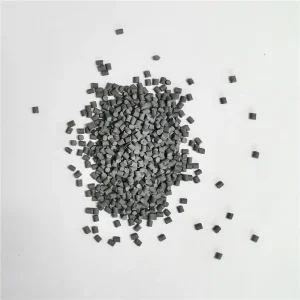
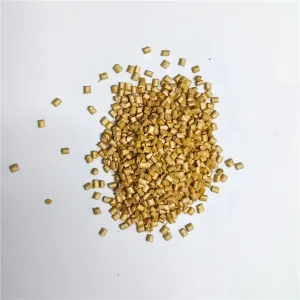
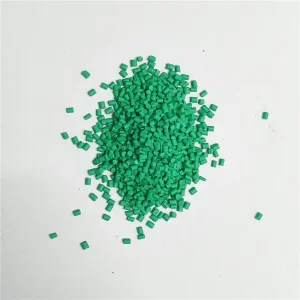
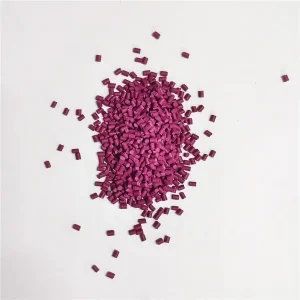
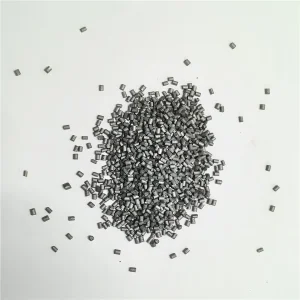
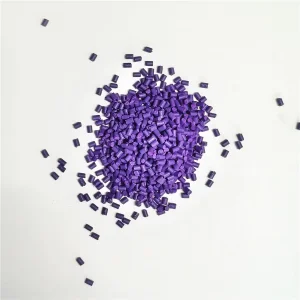
Addressing key operational, regulatory, and logistics queries from US plastic manufacturing buyers.
Production typically requires 10 to 15 business days following sample approval. Ocean transit from Shanghai Port to US West Coast ports (LA/Long Beach) with rail connections to Chicago Intermodal Hubs (Joliet/BNSF/UP) averages 18–24 days. Total door-to-door delivery to your Midwest warehouse generally spans 30 to 38 calendar days.
Yes. Our high-concentration PE White Masterbatch and designated food-grade color series are formulated strictly using virgin polyolefin carrier resins and heavy-metal-free pigments compliant with FDA 21 CFR 177.1520 and EU RoHS/REACH standards, ensuring full regulatory approval for food contact films and containers.
Every production batch is indexed against a master spectrophotometric standard (Datacolor 800 series) using the CIELAB L*a*b* color space. We enforce a strict tolerance of Delta E < 0.5. Certificate of Analysis (COA) documents detailing melt index, density, and color readings are provided with every sea container dispatch.
Absolutely. Our R&D laboratory specializes in custom color matching. Chicago clients can provide Pantone/RAL codes or physical molded target samples. We compound and dispatch 1kg–5kg pilot samples via air express (DHL/FedEx) within 3 to 5 working days for your local machine trial validation.